AI Fence Design: Try a New Fence on Your Own Yard
Free sign-up with email or Google. You get 1 free render; free renders are watermarked.
Upload a photo of your yard to see a fence on it: a white picket, a cedar privacy fence or a black aluminum fence with a gate. Below are three before and after examples, including where the AI did not do what we asked.
Curb appeal ideasBefore and after examples
Example images are AI-generated: both the sample houses and their redesigns. Results change from render to render, so treat them as concepts, not exact product matches.
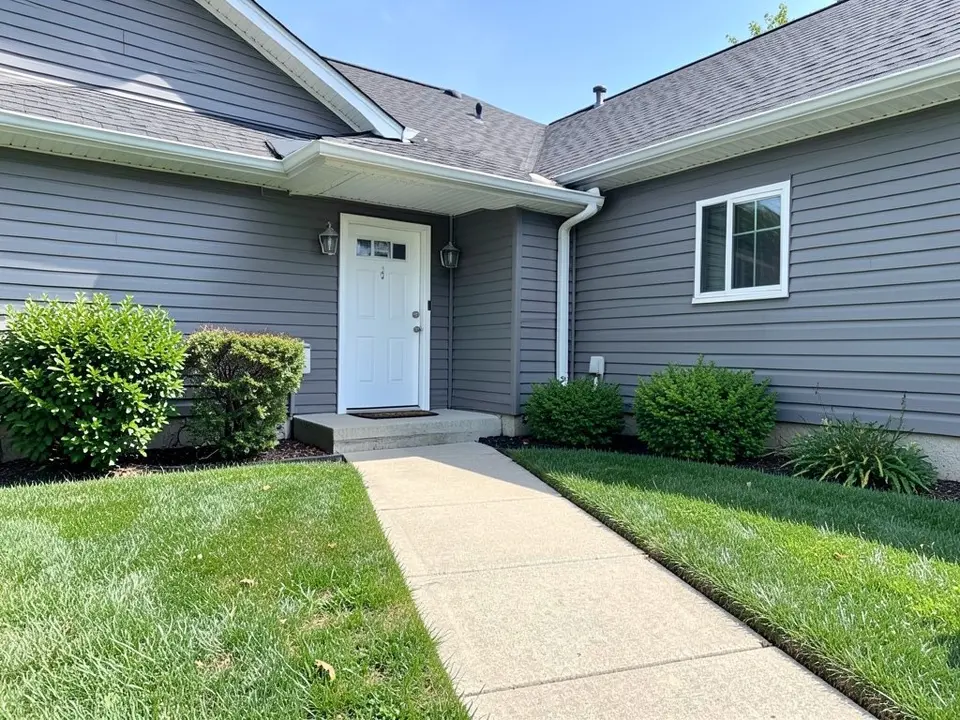 Before
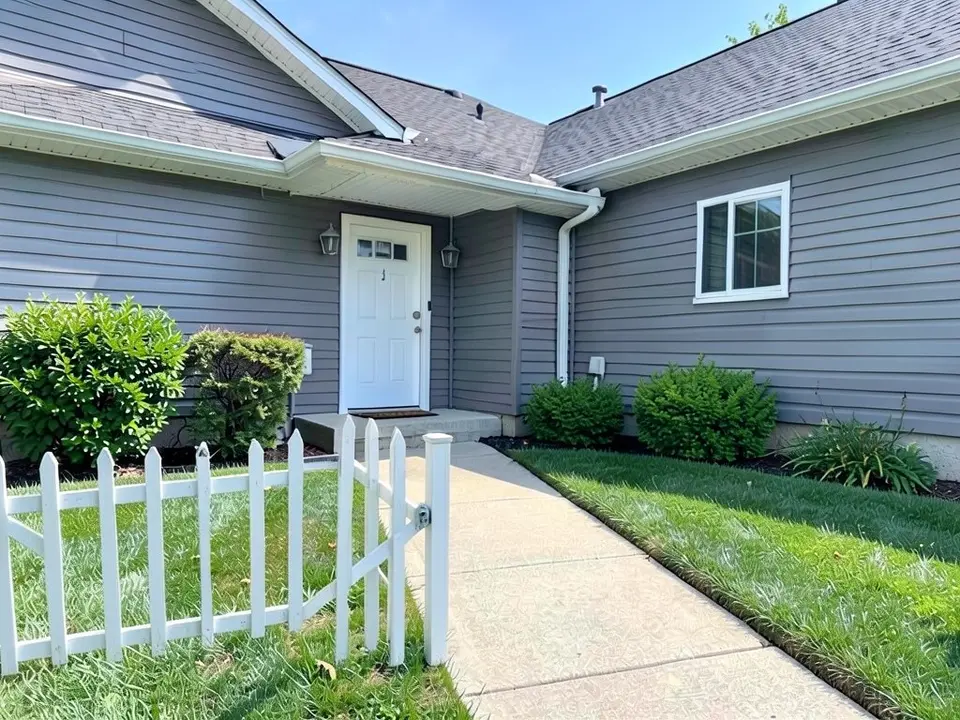 After
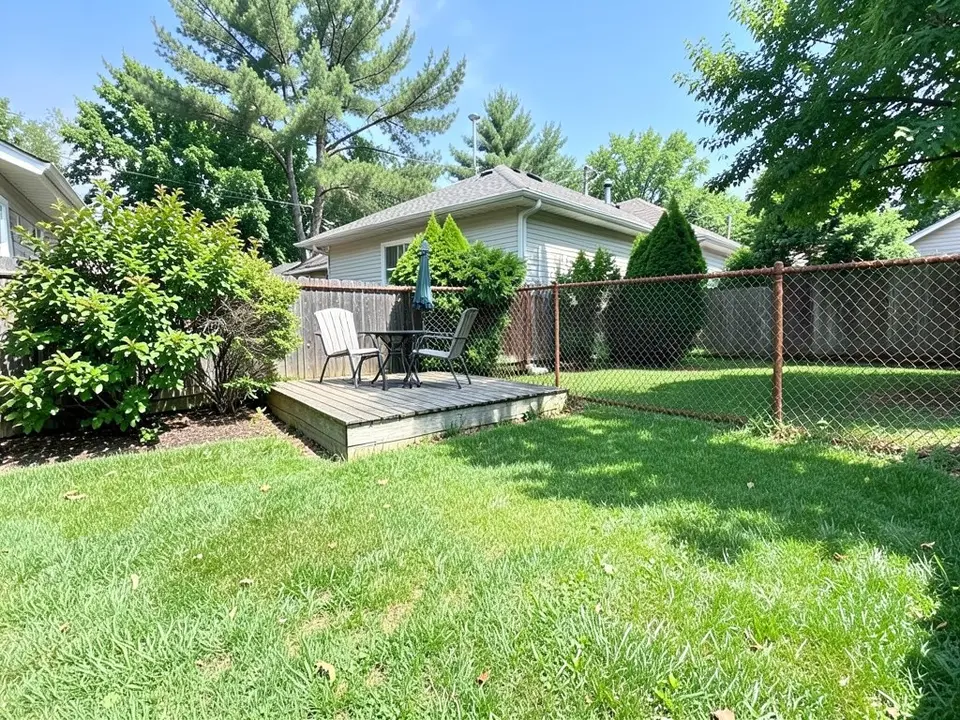 Before
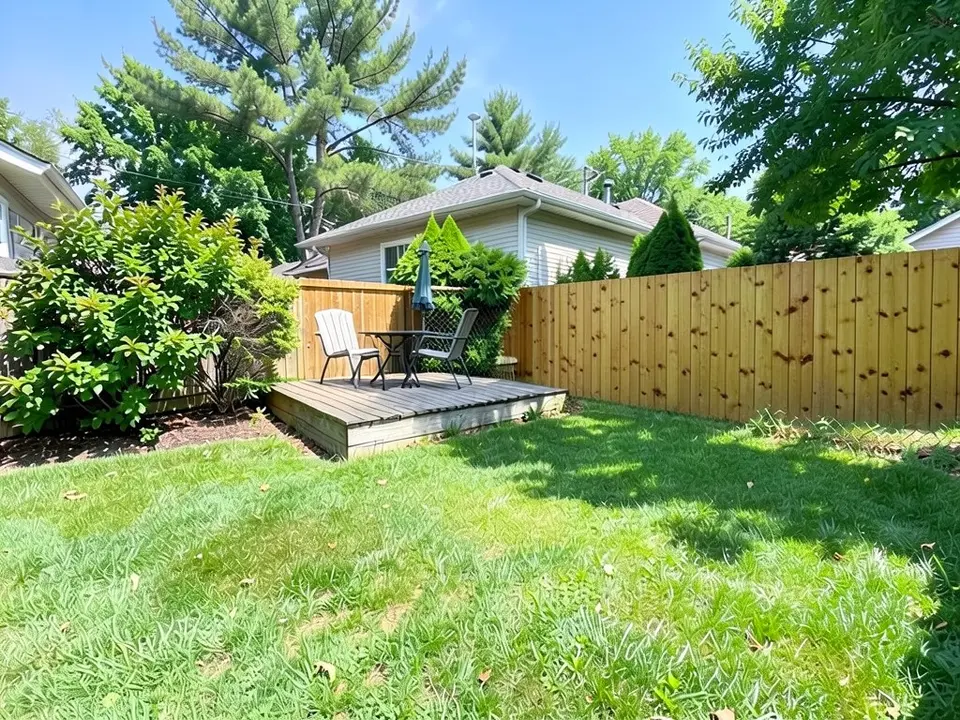 After
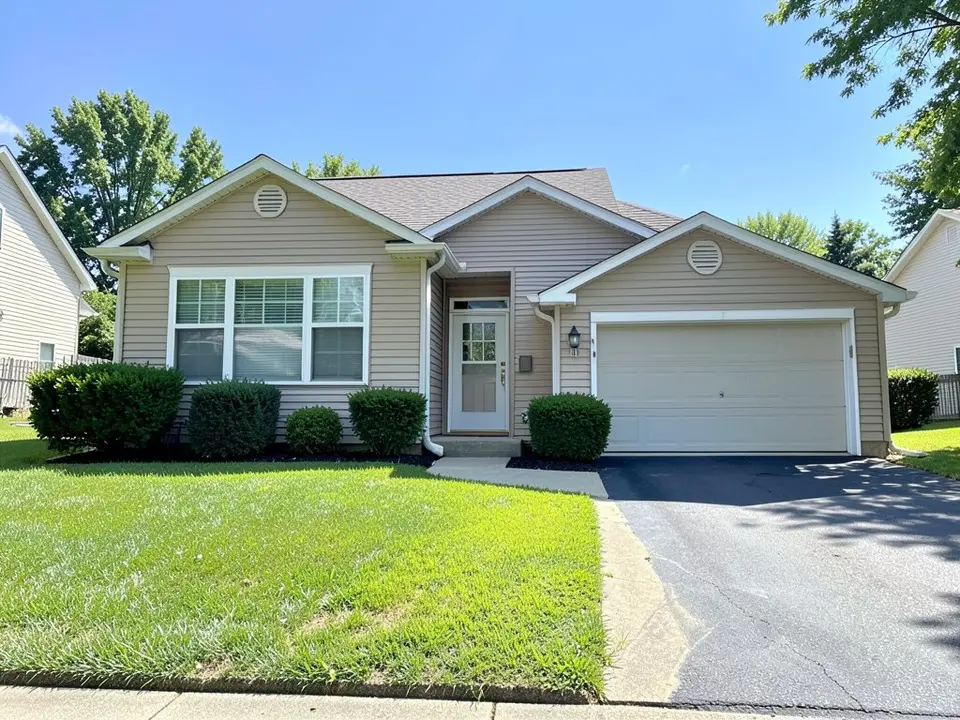 Before
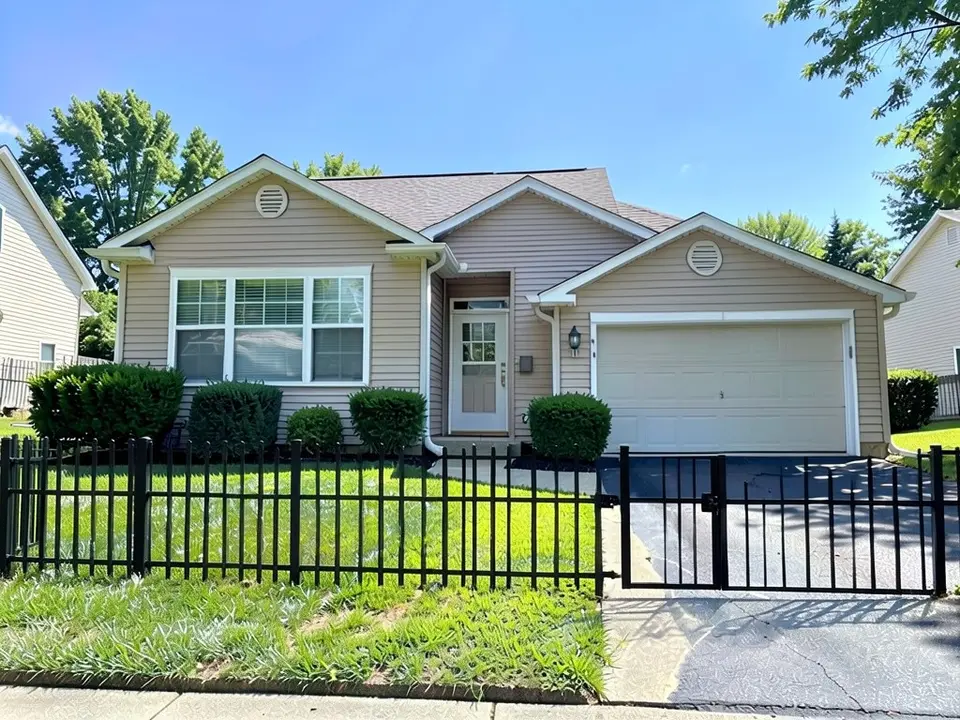 After
What the AI can and cannot do
It can draw a fence of the material, color and style you name on your photo, so you can compare a picket, a privacy fence and a metal fence before you call an installer.
It cannot find your property line, measure the run, or check height limits and permits. As the examples show, the fence may also cover only part of the line you asked for. Treat each result as a direction, not a layout.
Which fence for which yard?
The advice below comes from two sources: a home-improvement article from This Old House and a fence height guide from Top Rail Fence, a company that sells and installs fences and so has a stake in the topic. The table is our own summary.
| Type | What the sources say |
|---|---|
| Picket | This Old House says picket fences suit front yards and formal homes. Top Rail Fence puts front yard limits at about 3 to 4 feet in many areas. See Example 1. |
| Privacy (slat or lattice) | This Old House says slat and lattice fences give more privacy and typically run 6 to 8 feet, usually in the backyard. Top Rail Fence says 8 feet may be needed in dense urban areas to block views from multi-story neighbors. See Example 2. |
| Cross-rail | This Old House says it suits rural properties and marks a boundary but gives little privacy. |
| Metal (aluminum, steel) | Aluminum is lightweight and rust-resistant and suits sloped yards, and steel is very durable but may need rust treatment, says This Old House. See Example 3. |
| Pool fence | Top Rail Fence says pool fences are generally required to be at least 4 feet tall. Ask your local department for the exact rule. |
Wood, metal or vinyl
- Wood. This Old House names cedar, redwood and pressure-treated pine as popular, with pine the cheapest and hardwood costing more. Wood needs regular staining or painting.
- Metal. Aluminum is lightweight and resists rust, so it suits sloped yards. Steel is very durable but may need rust treatments.
- Vinyl. It comes in many colors and needs almost no maintenance, but costs more up front.
We do not quote prices here. Get quotes from installers for your own yard.
Before you put up a fence
- Find the property line. This Old House says to use your lot survey or hire a surveyor, and to measure the perimeter and allow for gates, obstacles and slopes.
- Ask about rules. Contact your local officials about permits, height limits and setbacks, since some areas restrict fence placement relative to lot lines and the street. Top Rail Fence adds that fences above a certain height often need a permit, an HOA may need to approve your plan, and a variance may be needed to exceed height limits.
- Talk to your neighbors. Neither source gives rules on this, but Top Rail Fence says neighbor consent can help if you need a variance.
- Plan the gate. This Old House says gate posts need a concrete footing, while most other posts can sit in gravel for drainage.
Three fence changes to try
The examples were run directly on an image model, not through the tool above, so your results will look different. In each prompt the house and lawn are told to stay as they are.
- A white picket fence with a gate. Example 1 adds one across a lawn. It covers only the left part of the front.
- A cedar privacy fence. Example 2 replaces rusty chain-link. Part of the old fence stayed.
- A black aluminum fence and driveway gate. Example 3 runs a metal fence across the front lawn and closes the driveway.
How to try it on your yard
- Photograph the area in daylight, straight on, from far enough back that the whole line where the fence will run fits in the frame.
- Upload it in the tool at the top of this page, or open the exterior designer, and name the fence material, color, height and where it runs.
- Say what stays. List the house, lawn, patio, driveway and shrubs to keep, as the prompts below do.
- Check the whole image. Look at how far the fence runs, whether the old fence is gone and whether the lawn changed, and run it again with a clearer sentence if something is off.
The exact prompts behind the examples
These are the edit prompts used for the three examples, word for word. Change the fence and the list of what stays to suit your yard.
Prompt 1: a white picket fence with a gate
Add a white wood picket fence across the front of the yard with a gate at the walkway. Keep the lawn, the walkway, the house, the white door, the shrubs and the camera angle exactly the same
Prompt 2: a cedar privacy fence in place of chain-link
Replace the chain-link fence with a tall cedar wood privacy fence. Keep the lawn, the patio, the chairs, the shrubs and the camera angle exactly the same
Prompt 3: a black aluminum fence with a driveway gate
Add a black aluminum picket-style fence with a driveway gate along the front of the yard. Keep the house, the lawn, the driveway, the shrubs and the camera angle exactly the same
Sources
Both opened and paraphrased; none of their images or sentences are used. Dates are as shown on each page.
- This Old House, "How to Choose and Put Up a Fence" by Joseph Truini, updated June 3, 2026.
- Top Rail Fence, "Fence Height: The Ultimate Guide" by Brad Ledford, July 1, 2024. Top Rail Fence sells and installs fences.
Who this is for
Owners thinking about a new or replacement fence who want to compare picket, privacy and metal looks on their own yard before asking installers for quotes.
More exterior ideas
See curb appeal ideas, AI porch design, the garage door visualizer, gutter colors and the exterior paint visualizer.
Frequently asked questions
What does an AI fence design tool do?
It takes a photo of your yard or house and shows it with a fence added or replaced. You describe the fence in words, such as the material, color and height, and an image model draws it. It does not locate your property line or check local rules.
What fence height should I choose?
Top Rail Fence, a company that sells and installs fences, says many areas limit front yard fences to about 3 to 4 feet, backyard privacy fences usually run 6 to 8 feet, and pool fences are generally required to be at least 4 feet. This Old House says taller fences usually belong in the backyard and lower picket fences in front. Check your local rules first.
Do I need a permit for a fence?
It depends on where you live. Both sources say to contact your local building or zoning department. This Old House says some areas restrict fence placement relative to lot lines and the street, and Top Rail Fence says fences above a certain height often need a permit and an HOA may need to approve your plans.
Where is my property line?
This Old House says to find it from your lot survey, or hire a surveyor. A render cannot tell you. Do not place a fence by the picture.
Which fence material should I look at?
This Old House lists wood (cedar, redwood and pressure-treated pine, which needs regular staining or painting), metal (aluminum is light and rust-resistant, steel is very durable but may need rust treatment) and vinyl (many colors, almost no maintenance, higher cost up front). Examples 1 and 2 show wood and Example 3 shows a black metal look.
Can I see a fence on my own yard?
Yes. Upload a photo of your yard or the front of your house in the tool at the top of this page, name the fence type, color and height, and say what must stay, like the prompts below. Check the whole image, because in our samples the fence did not always run the full length you asked for.
Will it replace my old fence?
It can try, as in Example 2, but part of the old fence may stay. Describe where the fence runs, for example the whole back line, and check that it covers all of it.
Is this tool free?
Signing up is free and gives you 1 free render. Free renders carry an AiExterior watermark. If you want more renders or clean images, paid plans are available on the pricing page.
Do I need an account?
Yes. You need to sign in before a render starts, with an email code or your Google account.
Try it on your own house
Upload your yard photoFree sign-up with email or Google. You get 1 free render; free renders are watermarked.