Historic House Exterior Colors: Try a Body, Trim and Sash Scheme on Yours
Free sign-up with email or Google. You get 2 free renders in most countries; free renders are watermarked.
Most older houses were painted in three or more colors: one for the body, one for the main trim and a darker one for the window sash and small details. Upload a photo of your house below to try a scheme on it, then see what preservation offices suggest and two before and after examples.
Victorian house exterior colorsBefore and after examples
Example images are AI-generated: both the sample houses and their redesigns. Results change from render to render, so treat them as concepts, not exact product matches.
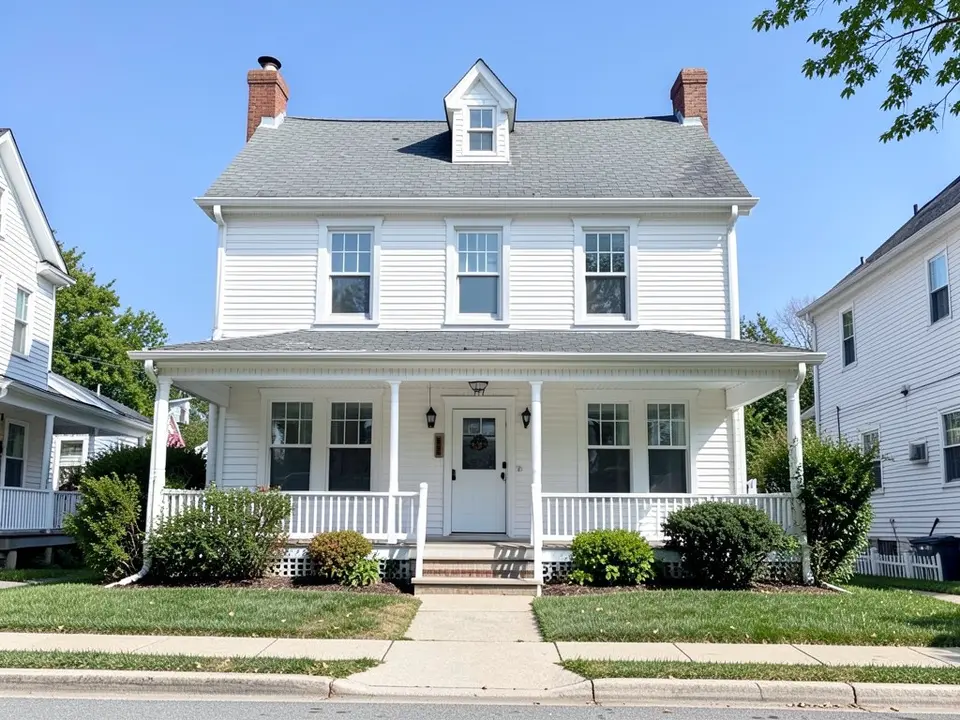 Before
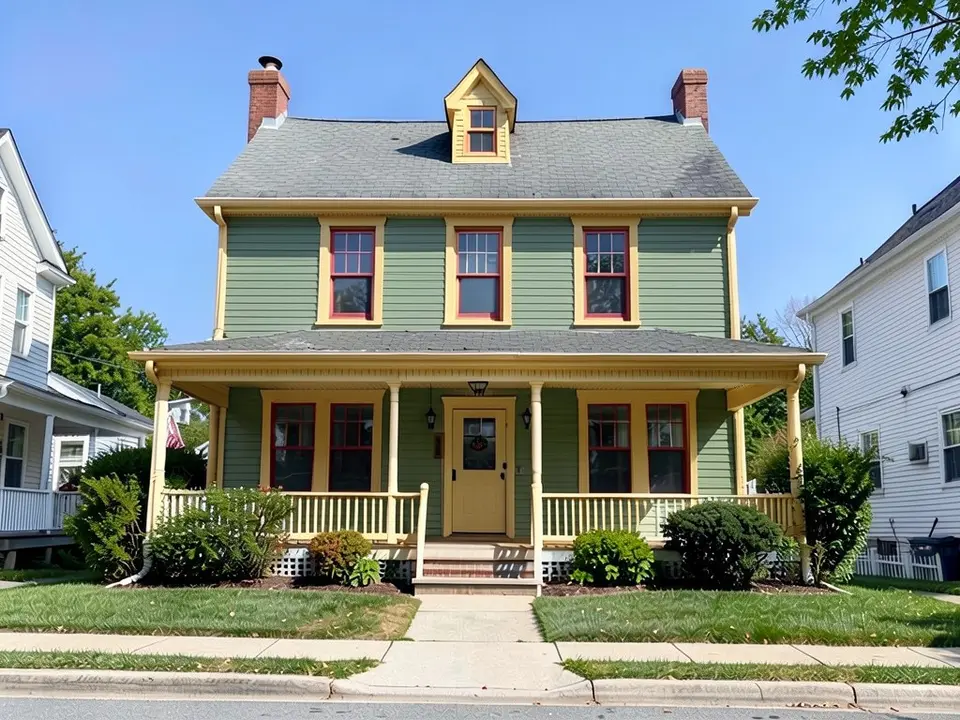 After
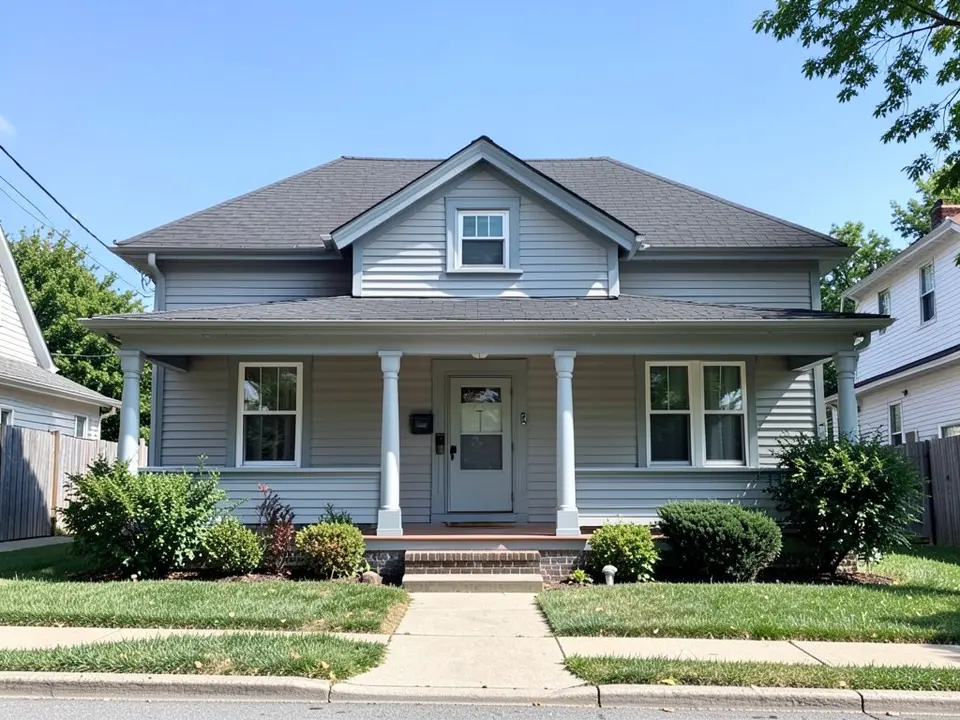 Before
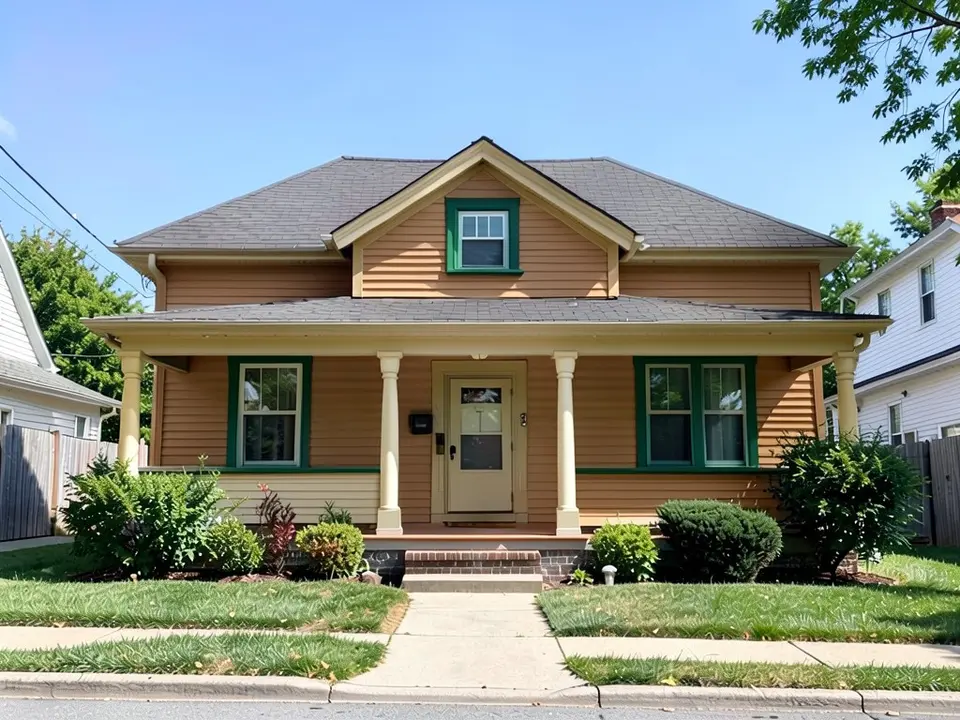 After
What the AI can and cannot do
It can paint the body, the trim and the window sash in separate colors and keep the roof and the porch, so you can compare period schemes on your own house.
It cannot tell you what colors your house was first painted, or match a historic paint exactly. It may also repaint a part you did not name, such as the door in Example 1. Treat each result as a direction, then check your local rules.
What preservation guides suggest for a historic house
These points come from the Wisconsin Historical Society, the City of Cambridge, Massachusetts (on painting historic exteriors), Tacoma's North Slope Historic District, Sherwin-Williams (its historic exterior palettes) and a Bob Vila article on choosing historic colors. The table below is our own summary. They are guidance, not rules, unless your local commission says so.
| Part of the scheme | Summary |
|---|---|
| Three parts | Plan the scheme as body, major trim (cornices, eaves, window trim, porch posts) and minor trim (sash, doors, brackets). |
| Number of colors | Cambridge says most 19th and early 20th century houses look best in three colors; where each color goes matters as much as the colors. |
| Window sash | Tacoma notes many pre-1920 houses had four or five colors, and the sash was often the darkest, often black or near-black. |
| By style | Sherwin-Williams describes Victorians in bold colors and Craftsman bungalows in softer, restrained ones. |
| Research | Old photos, long-time neighbors and local commissions can tell you what the house once wore. |
Where this page sits among the color pages
This page is about choosing period colors for any older house. For Victorian houses, see Victorian house exterior colors, for Craftsman houses, see Craftsman house exterior colors, and for colonial houses, see colonial house exterior colors.
Two historic color ideas to try
The examples were run directly on an image model, not through the tool above, so your results will look different.
- A three-color scheme on an all-white house. Example 1 paints the body sage green, the trim and porch cream and the window sash deep red.
- A softer scheme on a bungalow. Example 2 paints a gray Craftsman-style house warm brown with cream trim and dark green sash.
How to try it on your house
- Photograph the front in daylight, straight on, from far enough back that the whole house, the roof and the trim fit in the frame.
- Upload it in the tool at the top of this page, or open the exterior designer, and name the colors you want and the parts they go on.
- Say what stays. List the parts you are keeping, such as the trim, the roof and the windows, as the prompts below do.
- Check the whole image. Look at the trim, the door and the roof edges, since the model sometimes repaints a part you did not name, and run it again if something is off.
The exact prompts behind the examples
These are the edit prompts used for the two examples, word for word. Change the colors and the list of what stays to suit your house.
Prompt 1: all-white house to body, trim and sash colors
Paint the siding a muted sage green, the trim and porch a warm cream, and the window sashes a deep red. Keep the roof and the porch shape. Keep everything else unchanged: the roof, every window position, the shrubs, the lawn, the sky and the camera angle.
Prompt 2: gray bungalow to warm brown, cream and dark green
Paint the siding a soft warm brown, the trim and porch columns a cream, and the window sashes a dark green. Keep the roof. Keep everything else unchanged: the roof, every window position, the shrubs, the lawn, the sky and the camera angle.
Before you paint
- Check with your local commission. If your house is in a historic district, ask before you paint; some review colors.
- Test for lead. Old paint may contain lead, so test before you sand or scrape.
- Test real samples on the body, the trim and one window sash before you buy paint.
Who this is for
Owners of older and historic houses who want to see a period color scheme with separate body, trim and sash colors before they paint.
More exterior color ideas
See Victorian house exterior colors, Craftsman house exterior colors, colonial house exterior colors, exterior trim colors, and the exterior paint visualizer.
Frequently asked questions
How many colors should a historic house have?
The City of Cambridge says most 19th and early 20th century houses look best in three colors, and Tacoma notes many pre-1920 houses had four or five.
What color was the window sash?
Often the darkest color on the house, frequently black or near-black, according to Tacoma's North Slope guidance.
Can the AI find my house's original colors?
No. It can show a scheme you choose. For the original colors, look at old photos, ask your local commission or have the paint layers checked.
Is this tool free?
Signing up is free and gives you 5 credits, which is enough for 2 renders in most countries. Free renders carry an AiExterior watermark. If you want more renders or clean images, paid plans are available on the pricing page.
Do I need an account?
Yes. You need to sign in before a render starts, with an email code or your Google account.
Try it on your own house
Upload your house photoFree sign-up with email or Google. You get 2 free renders in most countries; free renders are watermarked.