See Brick Veneer on a Photo of Your Own House
Thinking about brick veneer on a house that is covered in vinyl or other siding? Upload a photo of your house and describe where the brick should go: a low brick base, the whole first floor or the full front. AiExterior draws it on your photo and usually keeps the windows, roof and doors in place, so you can compare placements before you ask for quotes. This page also explains the difference between thin brick and brick veneer and what to ask the installer.
Free sign-up with email or Google. You get 2 free renders in most countries; free renders are watermarked.
Before and after examples
Example images are AI-generated: both the sample houses and their redesigns. Results change from render to render, so treat them as concepts, not exact product matches.
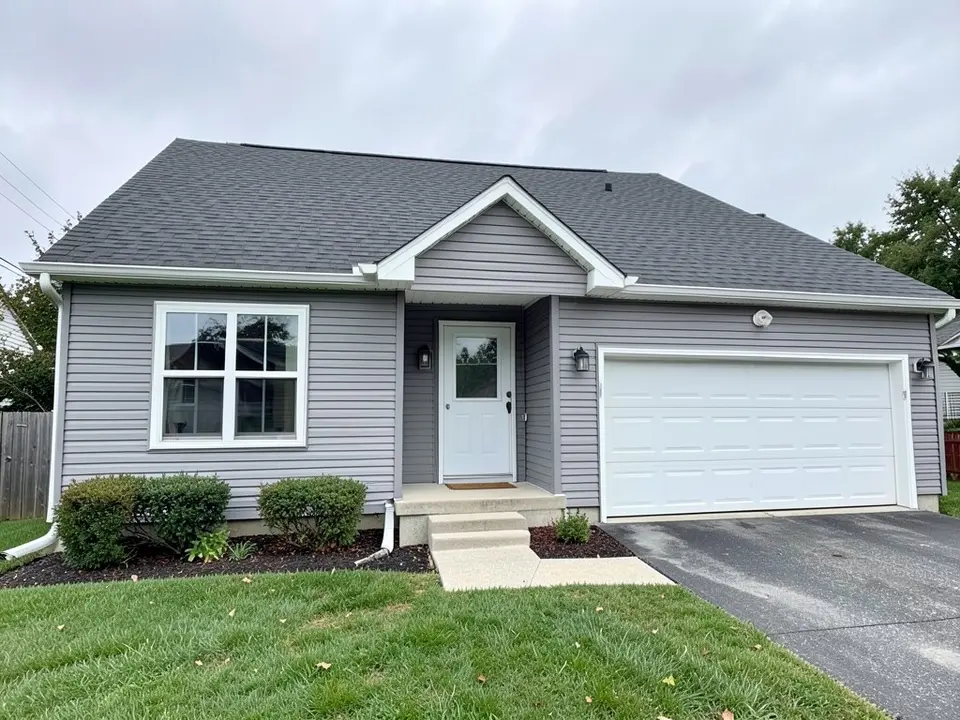 Before
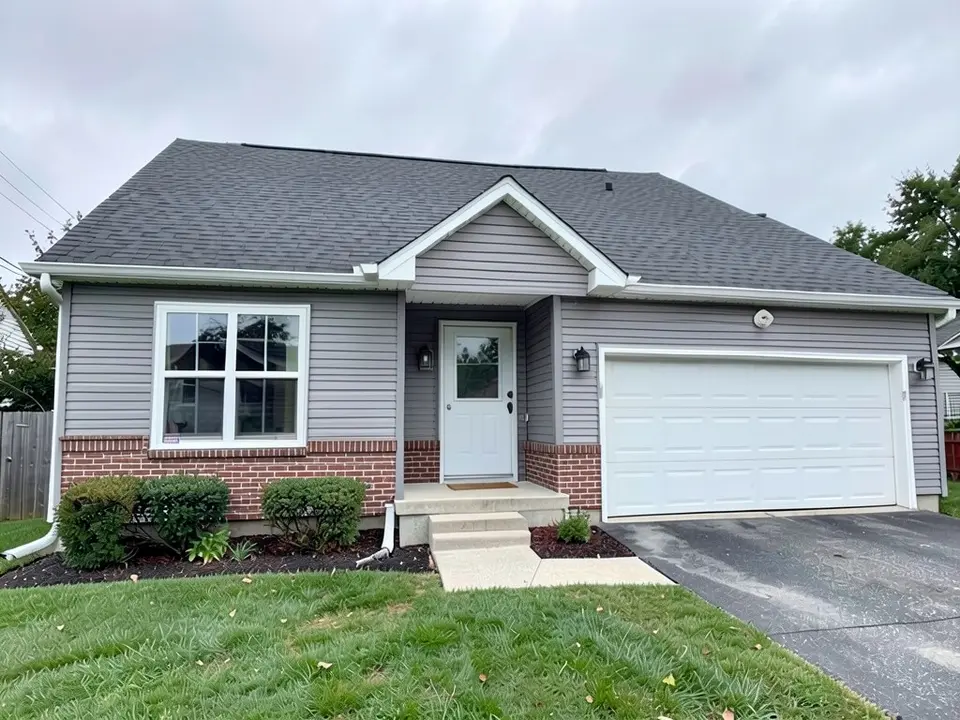 After
After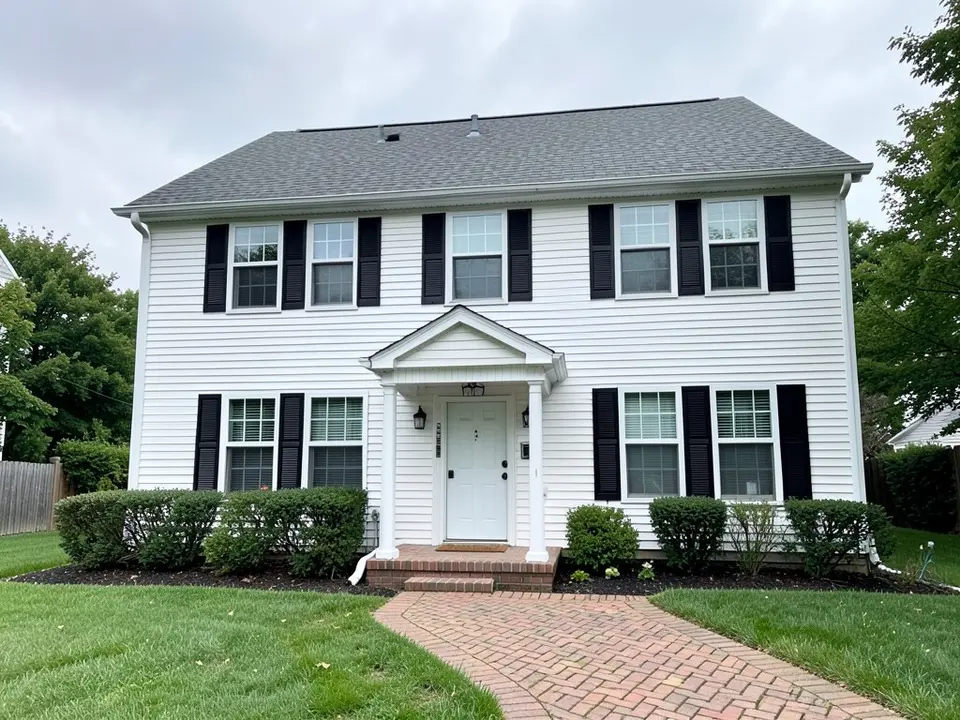 Before
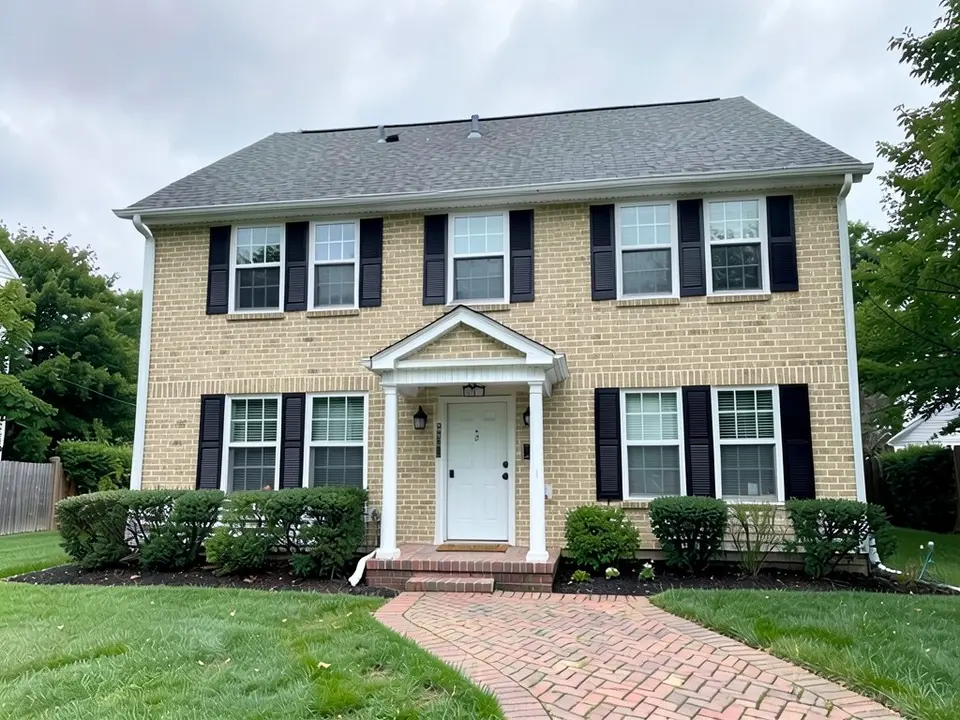 After
After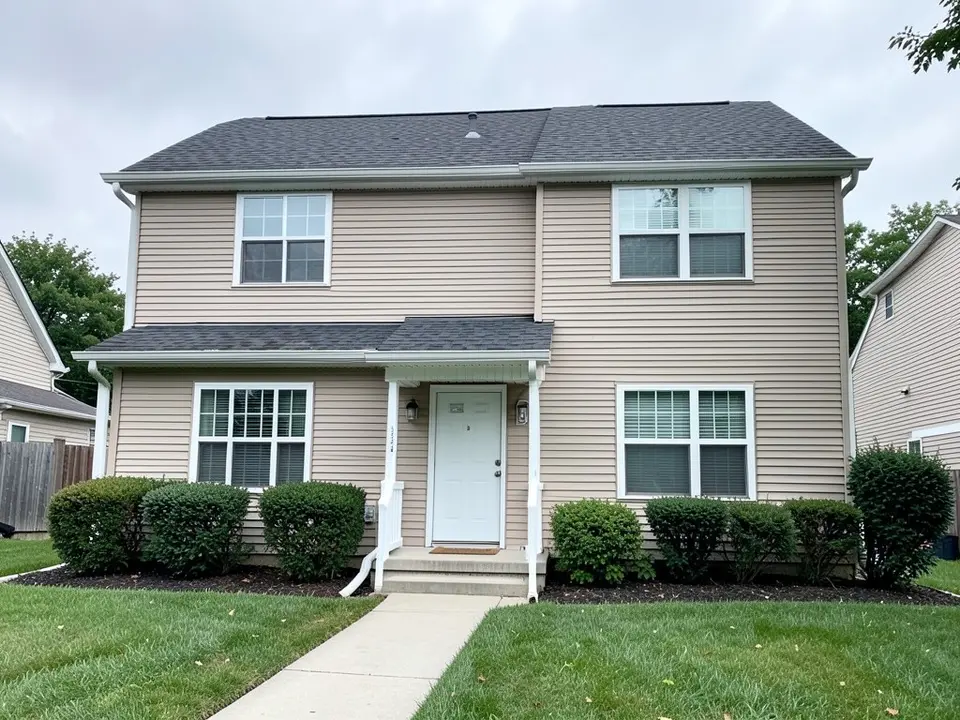 Before
 After
AfterWhat the AI can and cannot do
It can show how a brick color and a brick layout, such as a base, a full first floor or a full front, look on a photo of your house, while usually keeping the windows, the roof and the doors.
It cannot show whether your wall can carry brick, tell thin brick from full brick, give you a price or match a particular maker's brick. It can also spread the brick past the area you named or add details you did not ask for, as the examples below show. Treat every result as a picture of the look, not a plan.
Thin brick, brick veneer and solid brick compared
The table follows Fixr's buyer's guide to brick siding. Figures are national guides, not quotes.
| Type | What it is | Installed cost per sq ft (Fixr) | Lifespan (Fixr) |
|---|---|---|---|
| Thin brick veneer | Thin brick, 3/8 to 1 inch thick, bonded directly to the wall; may go over sound sheathing | $8 to $18 | 20 to 50 years, depending on the adhesive system |
| Brick veneer | Full brick laid in mortar with metal ties and an air gap; needs a shelf angle or ledger at the base | $12 to $18, plus $5 to $15 if the foundation needs work | 50 to 100 years |
| Solid brick | A structural brick wall, mostly for new builds | $14 to $30 | 100+ years |
Fixr says full veneer is the most common approach on houses, thin brick is the lowest-cost real-brick option and suits re-siding because it needs no foundation work, and brick veneer needs very little upkeep, with repointing about every 20 to 30 years. Fixr also gives this example of a full job: thin veneer on a whole 1,500 to 2,000 square foot house from $12,000 to $40,000.
One caution: sources do not agree on what thin brick is. Fixr calls it real fired-clay brick sliced thin, while a manufacturer-sponsored article in Pro Builder (December 2024) describes its thin brick as made from Portland cement, lightweight aggregates and mineral oxides. Ask the maker which one you are being offered.
Sources: Fixr, "How Much Does Brick Siding Cost?" (fixr.com, updated March 7, 2025); Pro Builder, "6 Things Builders Should Know About Thin Brick Veneer Exteriors" (probuilder.com, December 6, 2024, a sponsored article).
Where brick veneer can go on a house
This part is general guidance, not taken from the sources above. The picture usually settles the question quickly, so try two placements on your photo.
- A low brick base (wainscot): brick on the bottom of the front walls with siding above. It is the smallest change and the lowest cost of the three, and it is the first example.
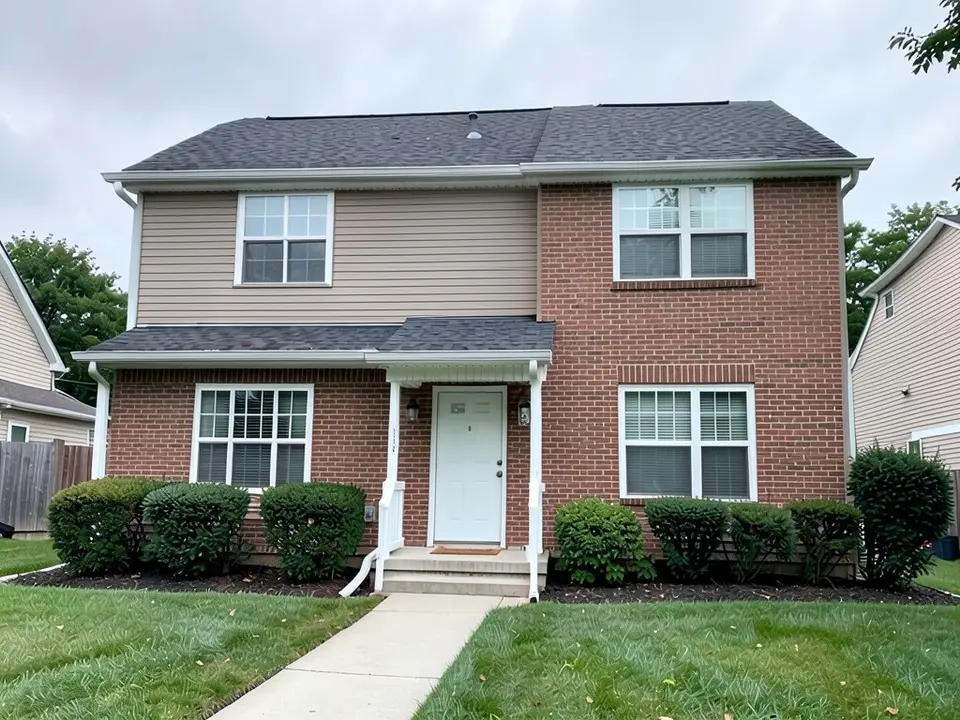
- The first floor only: brick below, siding above, a common look on two-story houses. As the third example shows, ask for the exact edge, for example "up to the bottom of the second floor windows", and check where the AI puts it.
- The full front: brick on every front wall, as in the second example. It is the biggest change and the biggest cost.
- Accents: brick on a chimney or at the base of porch columns. Pro Builder lists chimneys and columns among the places thin brick is used. For a stone look instead, see our stone veneer visualizer page.
Brick and mortar color
Mortar fills a large part of a brick wall. General Shale, a brick maker, says mortar covers roughly 18 to 24 percent of the face of a brick wall, so the mortar color changes the look as much as the brick. It pairs red brick with gray, white or red mortar, and white or gray and black brick with gray, white or buff mortar, and says to order a real mortar sample or visit a showroom rather than trust a picture. Pro Builder's sponsored article lists thin brick colors from white and gray to black, brown and red. In your prompt, name both: for example "red brick with light gray mortar", as in the first and third examples.
Sources: General Shale, mortar color guide (generalshale.com/mortar); Pro Builder, December 2024.
How to try brick veneer on your house
The examples on this page used the same idea, one photo plus one written edit, but were run directly on an image model, not through this tool, so your results will look different.
- Photograph the front in daylight, straight on, from far enough back that the whole house fits in the frame, from the ground to the roof peak.
- Open the photo enhancer, upload your photo, keep Standard Enhancement and click Generate Enhancement. This gives you a sharp copy of your house as it is.
- Click Edit (the pencil button above the result) and paste one of the prompts below into Edit Instructions, or write your own. Say where the brick goes, its color and the mortar color, and name what must stay: the windows, the trim, the roof and the doors.
- Check the whole image. Compare the windows, the trim, the roof and the doors with your photo, and check how far the brick spread. If it went too far, run it again with clearer words.
The enhancement and the edit each use credits, so this route uses both free renders. To restyle the whole outside at once instead, use the exterior designer.
The exact prompts behind the examples
These are the edit prompts used for the three examples, word for word. Paste one into Edit Instructions and change the brick color and the area to suit your house.
Prompt 1: red brick base
Change only the bottom third of the front walls: add a red brick veneer base with light gray mortar along the bottom third of the walls, including the bottom of the garage wall, with a flat top edge. Keep the gray lap siding above it, the white window trim, every window, the roof, the garage door, the front door and stoop, the house's exact shape, every window, the front door, the lawn, shrubs, sky and camera angle exactly the same.
Prompt 2: tan brick on the front
Change only the wall siding: replace the white horizontal lap siding on every front-facing wall with tan buff brick veneer with light mortar joints. Keep the black shutters, every window, the white window trim, the white front door and portico, the gray roof, the walkway, the house's exact shape, every window, the front door, the lawn, shrubs, sky and camera angle exactly the same.
Prompt 3: red brick on the first floor
Change only the first floor walls: replace the beige vinyl lap siding on all first floor walls with red brick veneer with light gray mortar, up to the bottom of the second floor windows' level. Keep the beige lap siding on the whole second floor, the white window trim, every window, the white front door and stoop, the charcoal roof, the house's exact shape, the lawn, shrubs, sky and camera angle exactly the same.
To write your own, keep the same shape: "Change only the [area]: replace the [current siding] with [color] brick veneer with [mortar color] mortar. Keep the siding everywhere else, the window trim, every window, the roof, the front door and the camera angle exactly the same."
Before you start
- Ask what is behind the brick. Fixr says full veneer can need a shelf angle or foundation work, and that thin brick may go over sound sheathing. Ask the installer what your wall needs and how water is kept out behind it; this is general advice, not from a specific code.
- Get real samples. Hold a brick and a mortar sample against the house in daylight.
- Choose the roof color with the brick in mind. A new brick wall changes which roof colors fit; see our roof shingle colors guide and the roof visualizer guide.
- Get two or three local quotes for the same area of wall, and show the installers the render so they know which look you mean.
Who this is for
Homeowners who like the look of brick but live in a vinyl or wood-sided house, people comparing a brick base with a full brick front, and anyone who needs a picture to show a mason or the rest of the family.
More exterior ideas
Compare brick with the other materials in our types of siding guide. For a full list of updates for a dated home, read how to update your house exterior.
You can also read the exterior chimney ideas page.
Frequently asked questions
Can I see brick veneer on a photo of my own house?
Yes. Upload a photo of the front of your house, then describe where the brick goes and what it looks like, for example "red brick veneer with light gray mortar on the bottom of the front walls". AiExterior draws it on your photo and usually keeps the windows, roof and doors in place. It is a picture of the look, not a building plan.
What is the difference between thin brick, brick veneer and solid brick?
Fixr describes thin brick veneer as thin brick, 3/8 to 1 inch thick, stuck directly to the wall. Brick veneer is a full brick layer laid in mortar in front of the wall, with metal ties and an air gap, and it needs a shelf angle or ledger at the base. Solid brick is a structural wall that is mostly used in new construction. A picture cannot show which one you have.
Is thin brick real brick?
It depends on the product. Fixr describes thin brick as real fired-clay brick sliced thin. A trade article sponsored by a manufacturer in Pro Builder (December 2024) describes its thin brick as a manufactured product made from Portland cement, lightweight aggregates and mineral oxides. Ask the maker what the product is made of.
How much does brick veneer cost?
Fixr (updated March 2025) lists installed prices per square foot of $8 to $18 for thin brick veneer, $12 to $18 for brick veneer and $14 to $30 for solid brick. It adds $5 to $15 per square foot when a full veneer needs foundation or shelf angle work. Prices depend on where you live and on the job, so get local quotes. This tool does not measure your walls or price them.
Can brick veneer go over my existing siding?
Fixr says thin brick may go over sound existing sheathing, but that is not the same as going over old siding. Whether your wall can take it depends on the product and your wall. Ask the maker and a mason, and check what your local code asks for.
How long does brick veneer last?
Fixr gives 20 to 50 years for thin brick veneer, depending on the adhesive system, 50 to 100 years for brick veneer, and over 100 years for solid brick. It says brick veneer needs very little upkeep, with repointing (new mortar in the joints) about every 20 to 30 years.
Is this about painting my brick?
No. This page is about adding brick veneer to a house that does not have it, or to part of one. Painting or whitewashing brick that is already there is a different job.
Is it free?
Signing up is free and gives you 5 credits, which is enough for 2 renders in most countries. Free renders carry an AiExterior watermark. If you want more renders or clean images, paid plans are available on the pricing page.
Do I need an account?
Yes. You need to sign in before a render starts, with an email code or your Google account. That is how the free credits are attached to you.
Try it on your own house
Upload a photo of your houseFree sign-up with email or Google. You get 2 free renders in most countries; free renders are watermarked.