Types of Siding, and How Each One Looks on Your House
House siding comes in two choices: the material (vinyl, fiber cement, wood, metal, stucco, brick or stone) and the style (horizontal lap, vertical board and batten, shakes and more). This guide compares the main materials and styles. Then upload a photo of your house and describe the siding you are thinking about. AiExterior draws it on your photo and usually keeps the shape, windows, roof and doors in place, so you can see the look before you get quotes.
Free sign-up with email or Google. You get 2 free renders in most countries; free renders are watermarked.
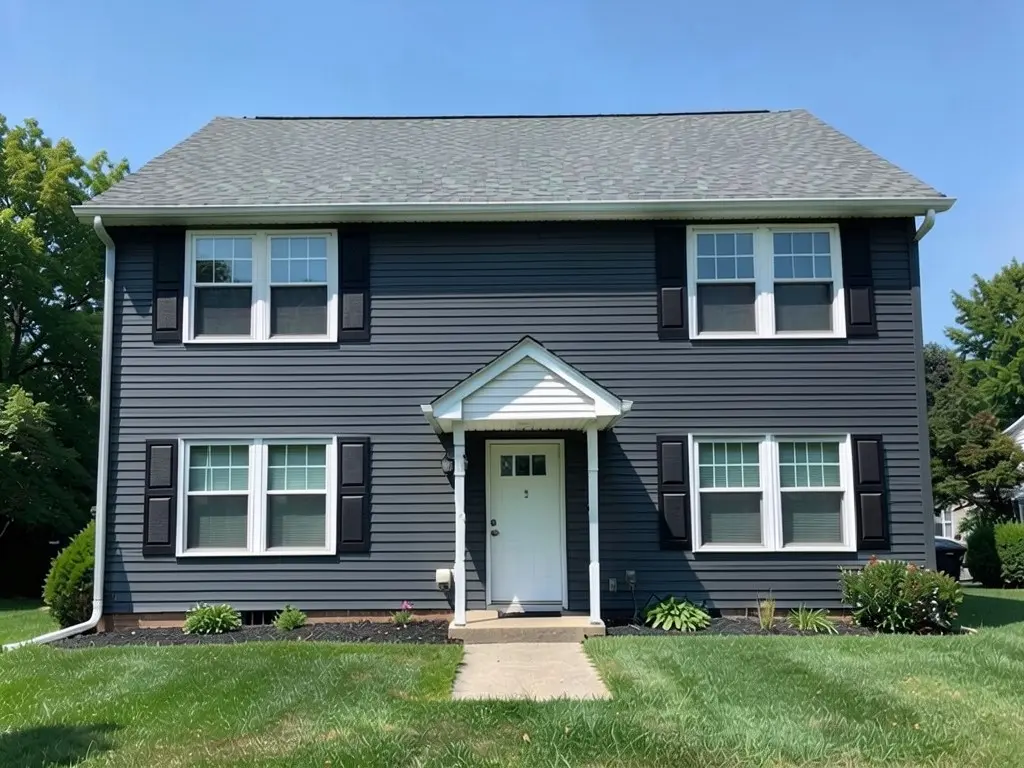
Before and after examples
Example images are AI-generated: both the sample houses and their redesigns. Results change from render to render, so treat them as concepts, not exact product matches.
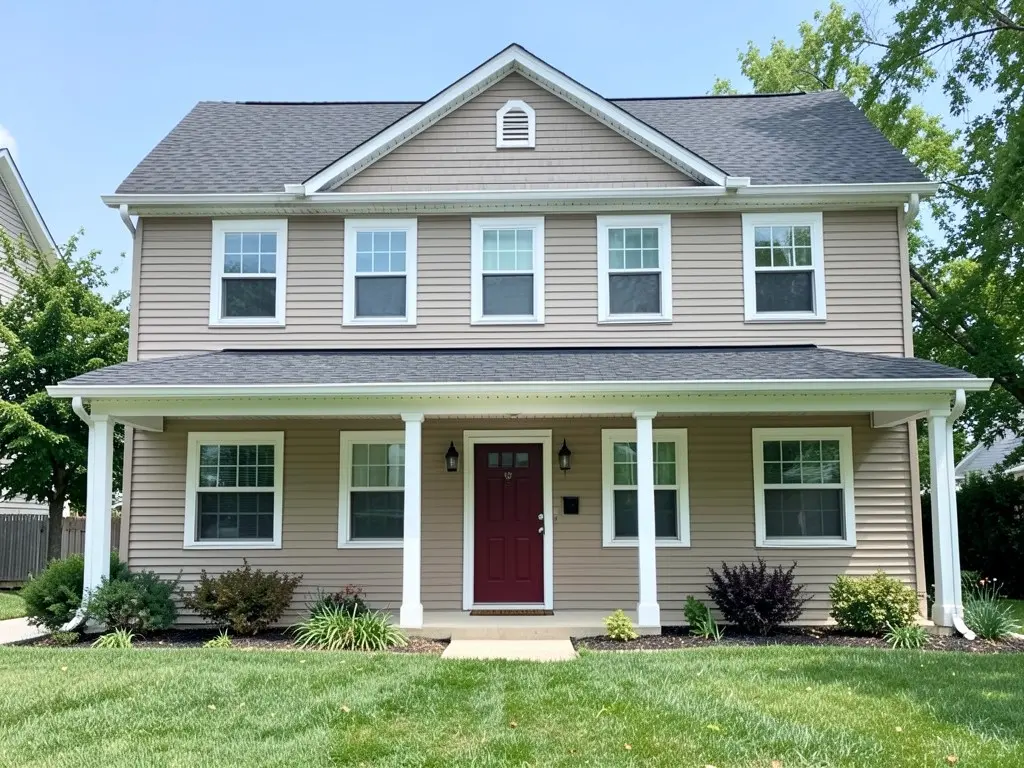 Before
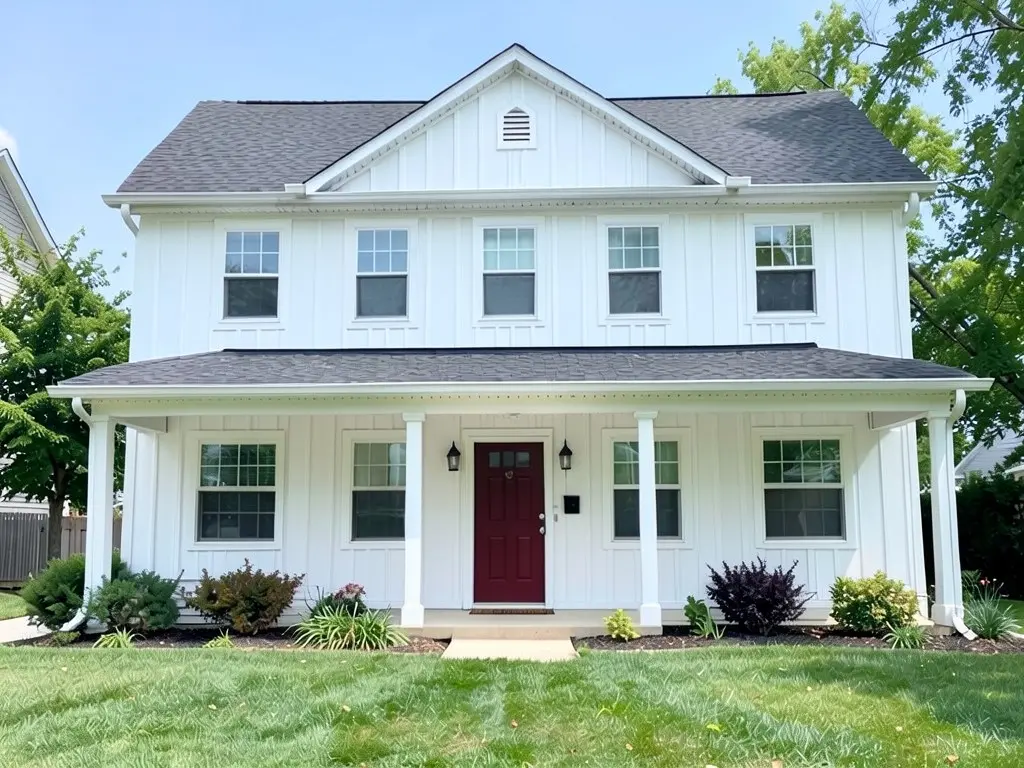 After
After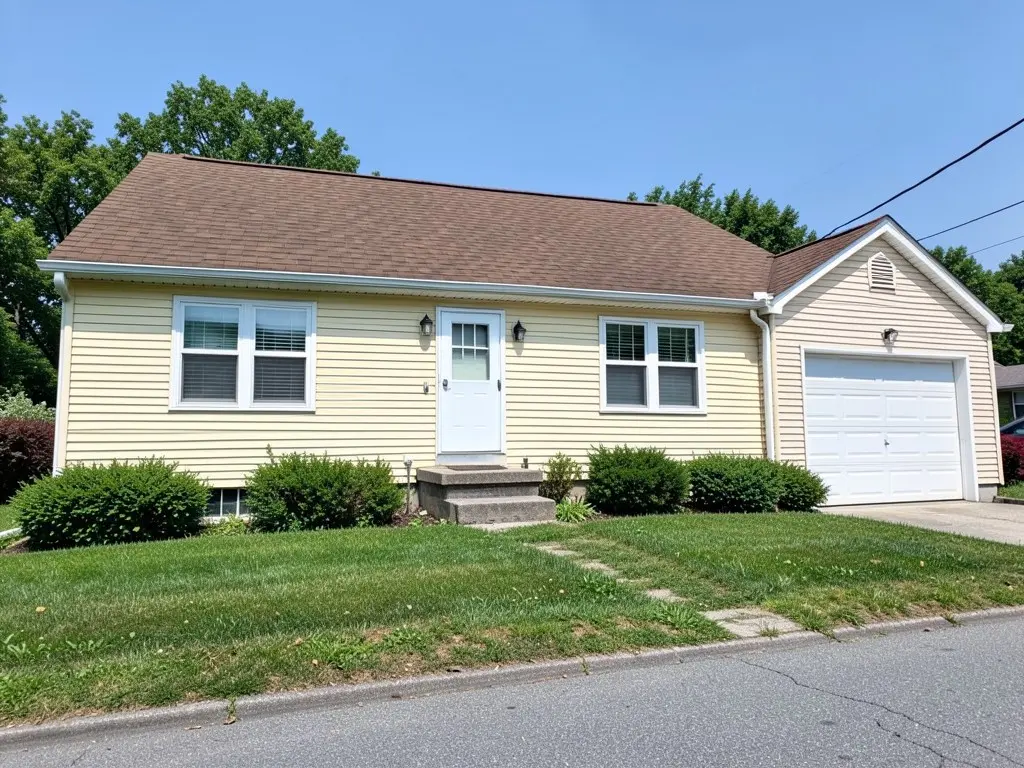 Before
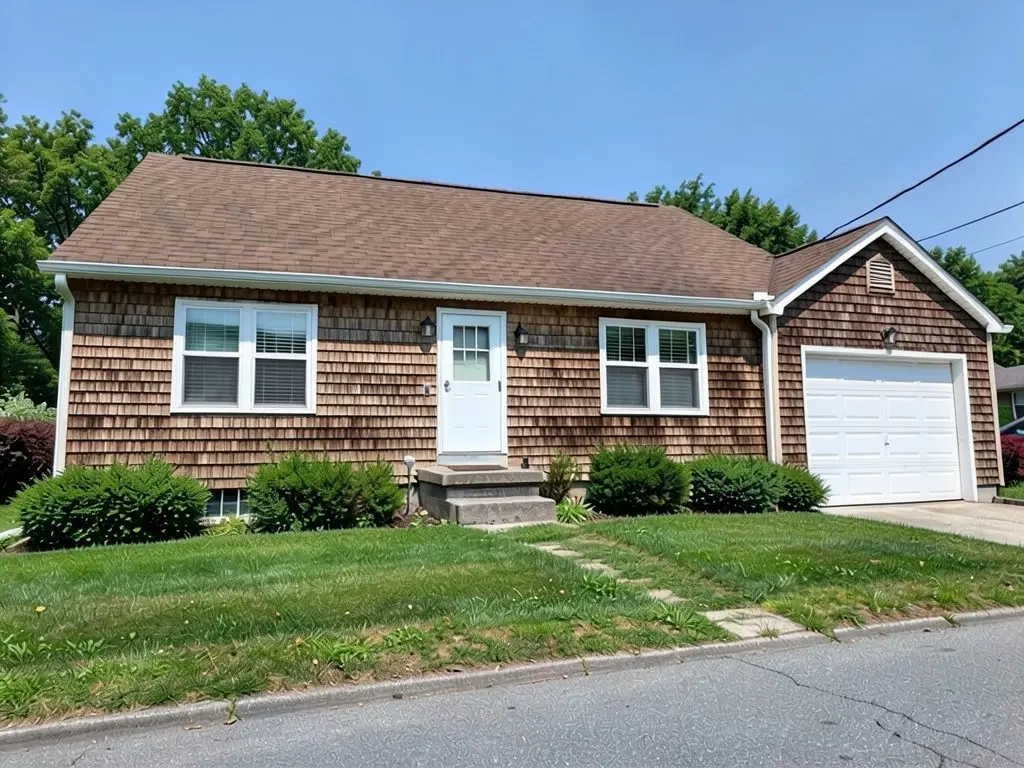 After
After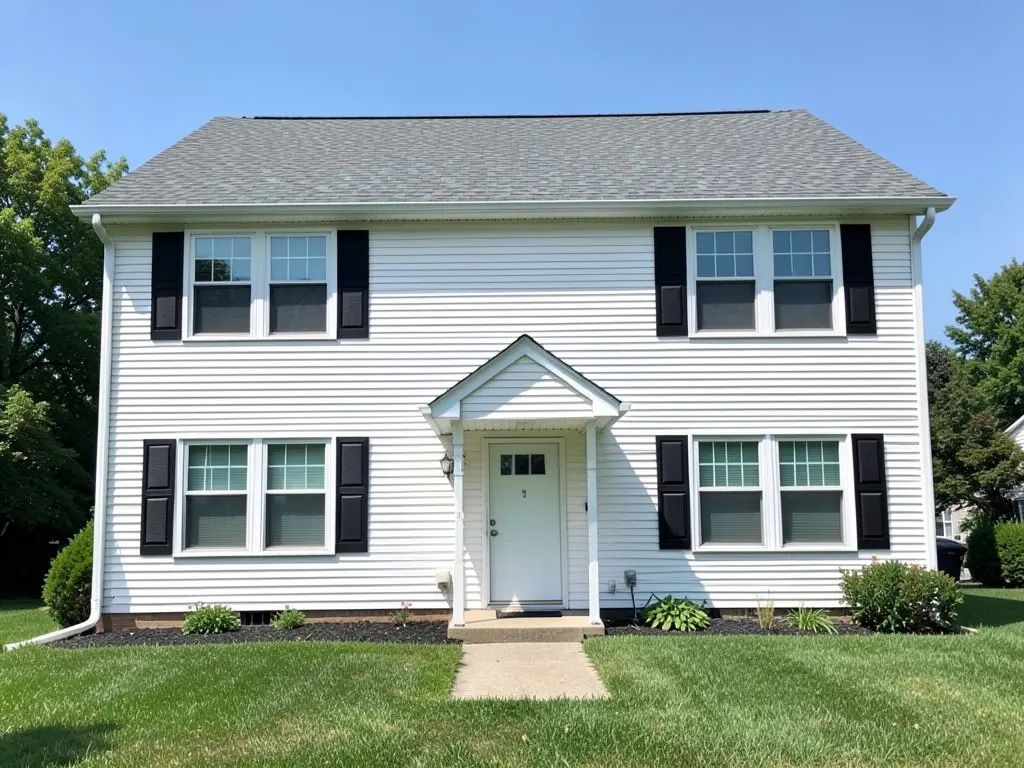 Before
 After
AfterWhat the AI can and cannot do
It can show how a siding style and color look on a photo of your house: lap, board and batten, shakes, stucco, brick or stone, in the color you name, while usually keeping the shape, the windows, the roof and the doors.
It cannot show what the siding is made of, tell vinyl from fiber cement, check your walls for rot or moisture, or give you a price. It can also change parts you asked it to keep. Treat every result as a picture of the look, not a plan.
Siding materials compared
The table sums up what the guides we read say about each material. Lifespans are Fixr's figures; cost order is from This Old House. Both depend on climate, installation and care.
| Material | Upkeep | Lifespan (Fixr) | Watch out for |
|---|---|---|---|
| Vinyl | Low: an occasional wash, no painting | About 20 years | Can warp or melt in extreme heat |
| Fiber cement | Moderate, less than wood | About 50 years | Heavy; cutting makes harmful dust, so it is usually a pro job |
| Wood (cedar, pine) | High: refinish every few years | 20 to 40 years with care | Rot, insects and moisture if not kept up |
| Aluminum | Low: a yearly wash | 30 to 40 years | Dents and scratches easily |
| Steel | Low | 50+ years with care | Rust in humid areas without a protective coating |
| Stucco | Low | 50+ years in good conditions | Cracks when the house settles; needs skilled labor |
| Brick veneer | Very low: no paint or stain | About 100 years | High cost; needs proper waterproofing behind it |
| Stone veneer | Low; check the mortar | 50 to 75 years | The most expensive, so often used only as an accent |
Vinyl
Vinyl is plastic (PVC) siding that comes in many colors and can copy the look of wood. It is the cheapest common choice and never needs painting. Insulated vinyl costs more but adds some insulation. It must be hung loosely so it can expand and shrink with the heat.
Fiber cement
Fiber cement is made of cement, sand and wood fibers. It resists moisture, rot, insects and fire, and it is made to look like lap boards, panels or shingles. It is heavy and needs special tools, so most people hire a pro to install it.
Wood and engineered wood
Wood gives the most natural look and comes as clapboards, board and batten, shakes and shingles. According to This Old House, cedar resists rot and insects better than pine, and pine costs less. Engineered wood mixes wood fibers with resins for a more stable board that often comes primed and in long lengths with fewer seams.
Metal: aluminum and steel
Metal siding gives a clean, modern look and resists fire, insects and rot. Aluminum costs less and can be painted but dents easily. Steel is stronger and stands up to harsh weather but costs more.
Stucco
Stucco is a cement-based finish put on in layers. It can be tinted to almost any color, so it does not need painting, and it is common on Mediterranean and Southwestern homes. It can crack as the house settles.
Brick and stone veneer
Brick lasts the longest and needs almost no upkeep, but it costs a lot to put on; stone veneer is the most expensive. Stone veneer gives the look of real stone at less weight; manufactured stone is cheaper and easier to install than natural stone. Many houses use stone only on the lower part of the front. Our stone veneer visualizer page shows stone looks in more detail.
Siding styles
The style is the shape and direction of the boards. This part is general guidance, not taken from the sources below. Most styles come in more than one material, so you can pick the look first and the material second.
- Lap siding (clapboard): long horizontal boards that overlap. It is the classic look on most houses. Dutch lap has a small groove at the top of each board that throws a deeper shadow.
- Board and batten: wide vertical boards with narrow strips (battens) over the joints. It gives a farmhouse or modern look, as in the first example.
- Vertical panels: smooth vertical boards or metal panels, often used on modern houses or as an accent wall.
- Shakes and shingles: short overlapping pieces with a textured look that suits cottages, Cape Cods and coastal homes, as in the second example. Many houses use them only in the gables.
- Shiplap: boards that fit together edge to edge with a flat face and a small gap between them, for a clean, flat look.
How to try a type of siding on your house
The examples on this page used the same idea, one photo plus one written edit, but were run directly on an image model, not through this tool, so your results will look different.
- Photograph the front in daylight, straight on, from far enough back that the whole house fits in the frame, from the ground to the roof peak.
- Open the photo enhancer, upload your photo, keep Standard Enhancement and click Generate Enhancement. This gives you a sharp copy of your house as it is.
- Click Edit (the pencil button above the result) and paste one of the prompts below into Edit Instructions, or write your own. Name the siding style and color you want, and name what must stay: the shape, the windows, the trim, the roof and the doors.
- Check the whole image. Compare the windows, the trim, the roof and the doors with your photo. If something moved or changed color, run it again with clearer words.
The enhancement and the edit each use credits, so this route uses both free renders.
To restyle the whole outside at once instead, use the exterior designer. The siding visualizer guide explains that route step by step.
The exact prompts behind the examples
These are the edit prompts used for the three examples, word for word. Paste one into Edit Instructions and change the style and color to suit your house.
Prompt 1: white board and batten
Change only the wall siding: replace the beige horizontal vinyl lap siding on every wall with white vertical board and batten siding, wide flat boards with narrow raised battens running straight up and down. Keep the white window trim, every window, the dark grey shingle roof, the porch with its four white posts, the dark red front door, the house's exact shape, the lawn, shrubs, sky and camera angle exactly the same.
Prompt 2: cedar shakes
Change only the wall siding: replace the pale yellow horizontal vinyl lap siding on every wall, including the garage walls, with natural brown cedar shake shingles in overlapping rows. Keep the white window trim, every window, the white front door, the concrete stoop, the brown shingle roof, the white garage door, the house's exact shape, the lawn, bushes, sky and camera angle exactly the same.
Prompt 3: charcoal fiber cement lap siding
Change only the wall siding: replace the white horizontal vinyl lap siding on every wall with dark charcoal grey horizontal fiber cement lap siding with wider boards. Keep the white window trim, the black shutters, every window, the grey shingle roof, the white front door and its small entry roof, the walkway, the house's exact shape, the lawn, sky and camera angle exactly the same.
To write your own, keep the same shape: "Change only the wall siding: replace the [current siding] on every wall with [new color] [new style] siding. Keep the window trim, every window, the roof, the front door, the house's exact shape and the camera angle exactly the same." Describe the boards, such as "wide flat boards with narrow raised battens running straight up and down", not just the name of the style.
How to choose
- Budget: This Old House ranks vinyl cheapest, fiber cement in the middle and wood the most expensive; Fixr lists stone veneer as the most expensive and brick veneer as also high. Prices vary by region. Get two or three local quotes for the same area of wall.
- Upkeep: if you do not want to paint or stain, look at vinyl, metal or brick. Fixr rates fiber cement as moderate upkeep.
- Climate: very hot sun is hard on vinyl, damp air is hard on steel without a coating, and wood needs care wherever it is wet.
- The style of the house: lap siding suits almost any house, board and batten suits farmhouse and modern homes, and shakes suit cottages and coastal homes. Try two or three on your photo and compare.
- Local rules: some towns and HOAs limit siding materials and colors, so check before you order.
Before you start
- Look under the old siding. Soft or wet sheathing, rot or insect damage has to be fixed before new siding goes on. An installer will usually check when the old siding comes off.
- Get real samples. Colors on a screen look different in daylight. Hold a sample against the house in the morning and the afternoon.
- Ask about the trim. New siding is often thicker or thinner than the old one, so window and door trim may need to change too.
Sources: the material facts and cost order follow This Old House's guide to choosing siding (thisoldhouse.com, updated March 2026); the lifespans follow Fixr's buyer's guide to house siding (fixr.com, March 2024).
Who this is for
Homeowners getting ready to replace old or damaged siding, people who want to change the look of their house before selling it, and anyone who needs a picture to show a contractor or the rest of the family.
More exterior ideas
For a full list of updates for a dated home, read how to update your house exterior. To try a new roof color on the same photo, see the roof visualizer guide.
You can also read the siding colors, the composite siding ideas and the James Hardie siding colors pages.
Frequently asked questions
What are the main types of siding?
The guides we checked list the same main materials: vinyl, fiber cement, wood (including cedar and engineered wood), metal (aluminum or steel), stucco, brick and stone veneer. Each material can come in several styles, such as horizontal lap, vertical board and batten, or shakes and shingles.
Which siding is the cheapest?
This Old House calls vinyl the cheapest of the common materials, puts fiber cement in the middle and wood at the top. Real prices depend on your area, the size of the house and the installer, so get local quotes before you choose.
Which siding lasts the longest?
Masonry lasts the longest. Fixr gives brick veneer about 100 years, stone veneer 50 to 75 years, fiber cement about 50 years, and vinyl about 20 years. This Old House says brick can last centuries with proper care. Climate and installation make a big difference.
Which siding needs the least upkeep?
Vinyl needs little more than an occasional wash, and brick needs no painting or staining. Wood needs the most: This Old House suggests checking it every year and refinishing every four to six years.
Can I mix two types of siding?
Yes. A common mix is lap siding on the walls with shakes or board and batten in the gables, or stone on the lower part of the front. You can try a mix on your photo by naming each area in the prompt, for example "board and batten only in the front gable".
Can the AI show a specific brand or product?
No. It draws the look you describe, such as the color, the direction of the boards and their texture. It does not know any brand or product line and cannot show what a material is made of. Look at real samples before you order.
Is it free?
Signing up is free and gives you 5 credits, which is enough for 2 renders in most countries. Free renders carry an AiExterior watermark. If you want more renders or clean images, paid plans are available on the pricing page.
Do I need an account?
Yes. You need to sign in before a render starts, with an email code or your Google account. That is how the free credits are attached to you.
Try it on your own house
Upload a photo of your houseFree sign-up with email or Google. You get 2 free renders in most countries; free renders are watermarked.