Two-Tone House Exterior Ideas: See Two Colors on Your House Before You Paint
A two-tone exterior can look sharp or patchy depending on where the colors change. Before you buy paint, you can see two colors on a photo of your own house with AI. This page shows three examples on stand-in houses, lists what three published guides suggest about pairings and where to put the break, and tells you what a render cannot show.
Free sign-up with email or Google. You get 2 free renders in most countries; free renders are watermarked.
Before and after examples
Example images are AI-generated: both the sample houses and their redesigns. Results change from render to render, so treat them as concepts, not exact product matches.
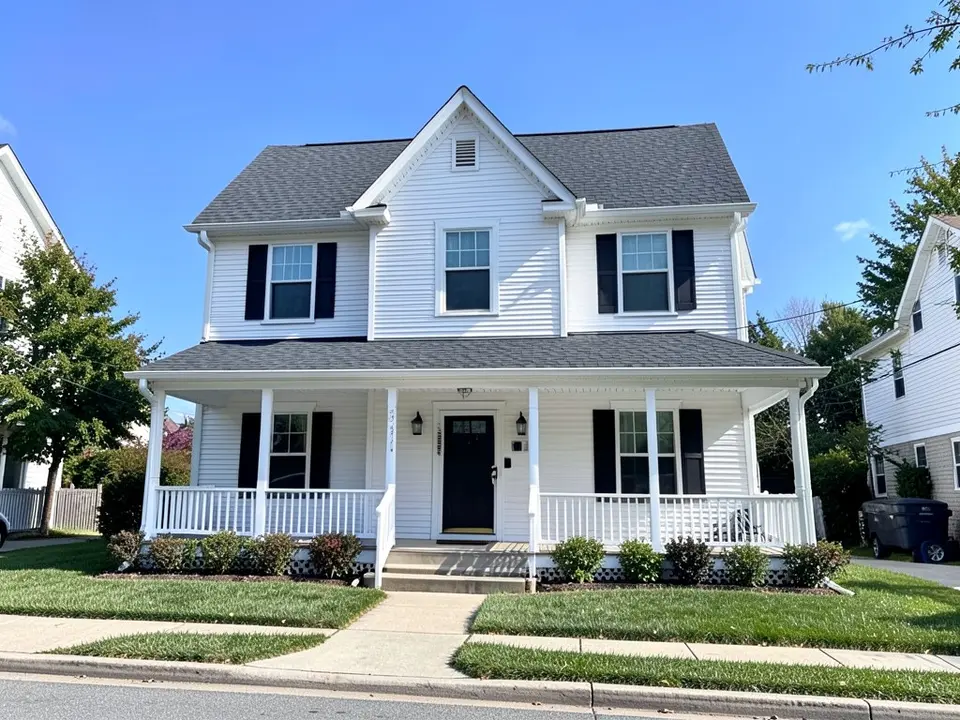 Before
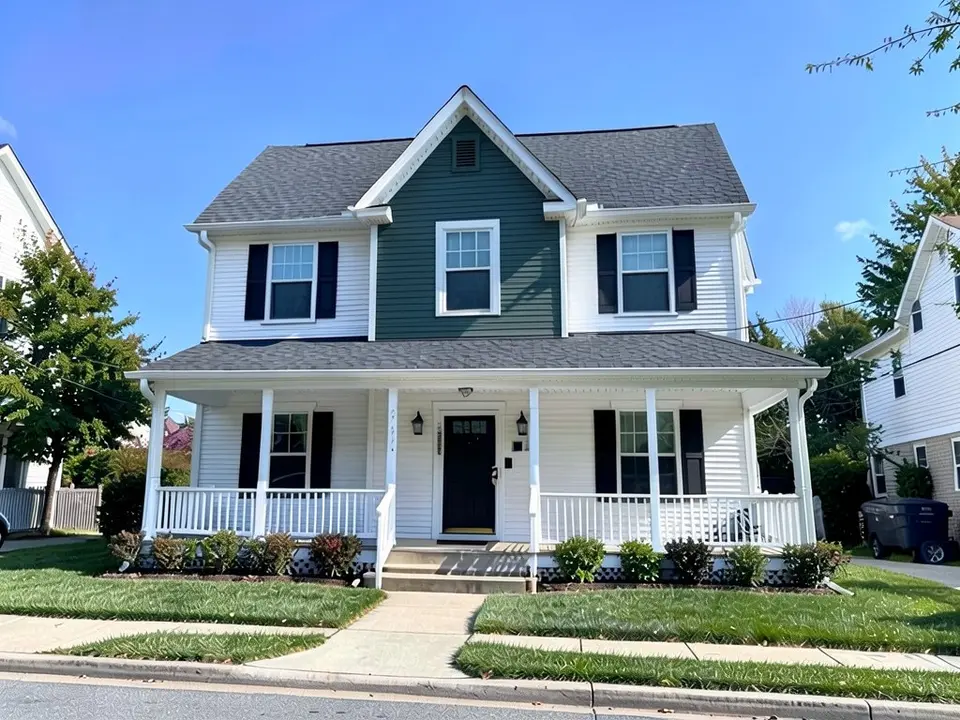 After
After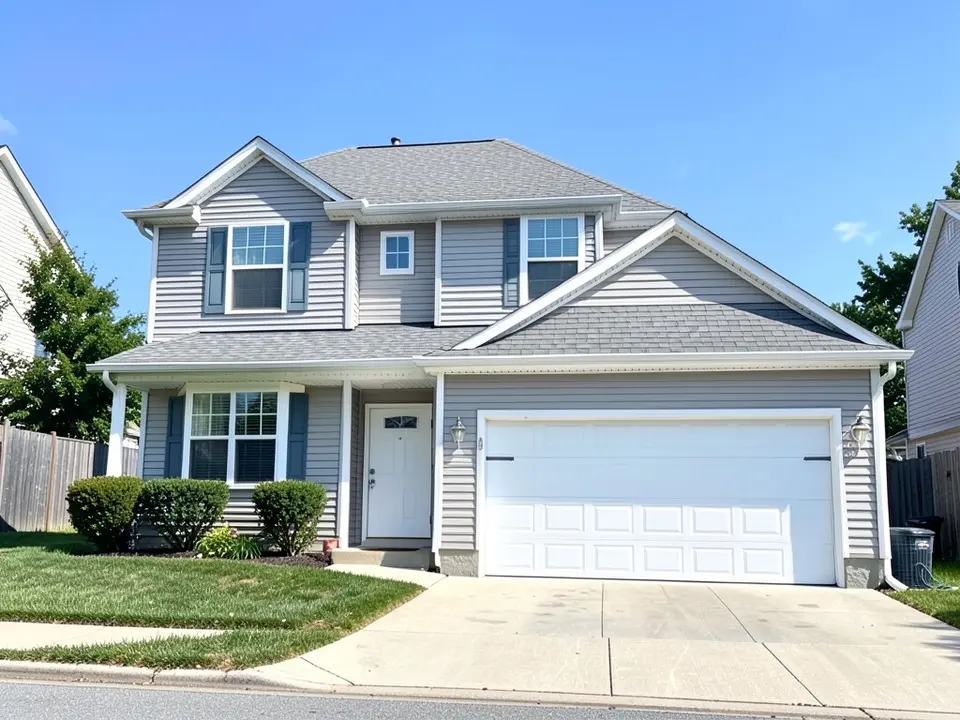 Before
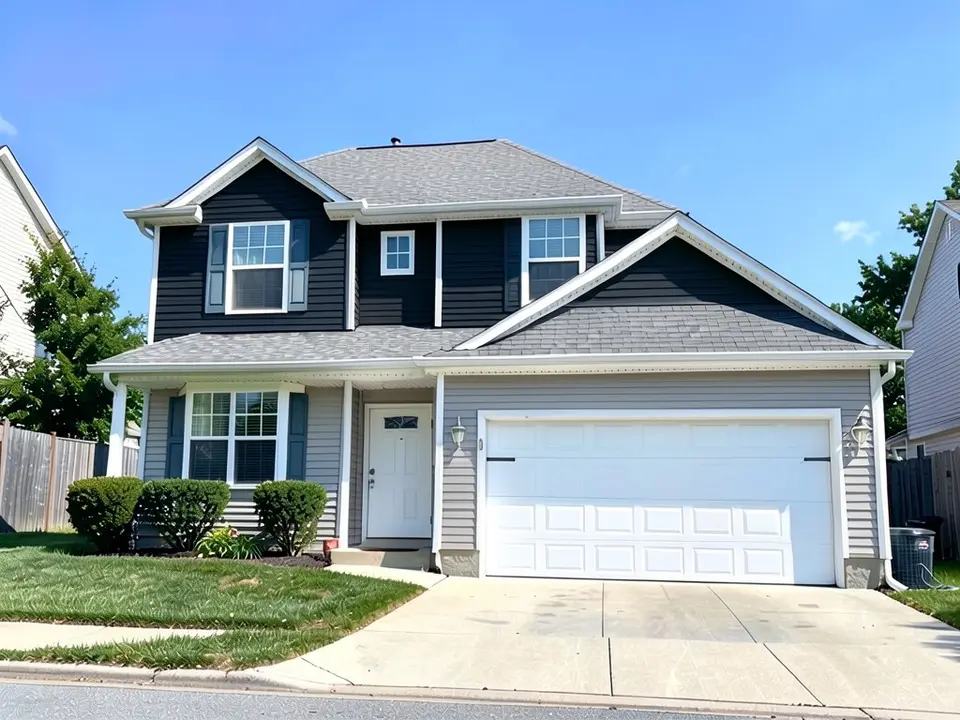 After
After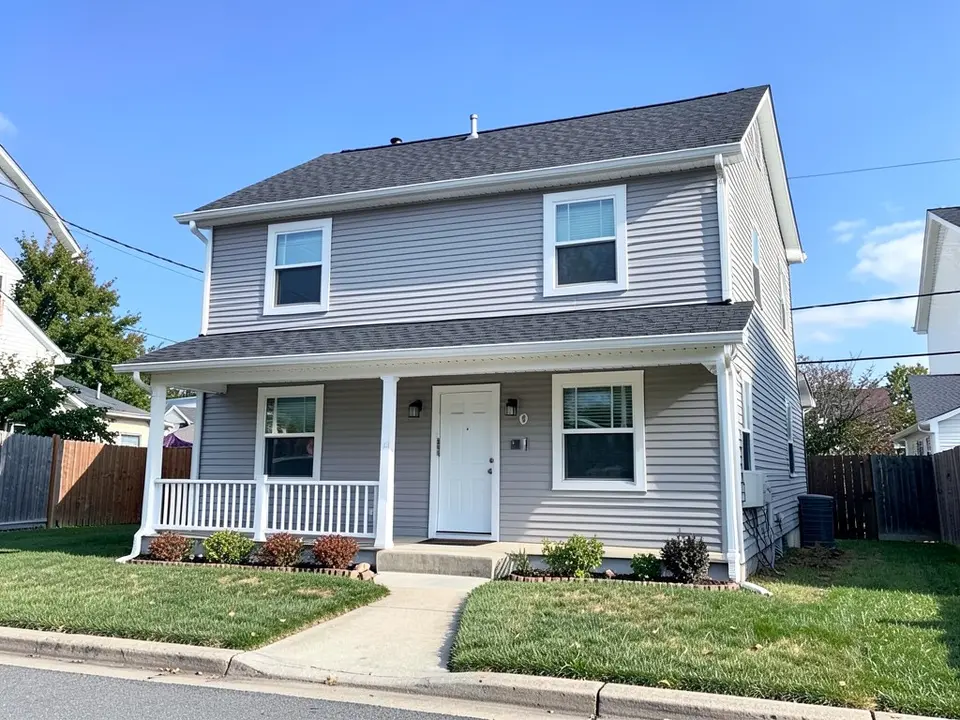 Before
 After
AfterWhat the AI can and cannot do
It can recolor one part of your house, such as a gable, a floor or the whole body, while keeping the trim, roof and yard, so you can see where a second color would sit on your own house.
It cannot match a paint maker's color or show how two colors look in different light. The examples above also changed small parts we did not ask about, as the captions say. Treat each result as a direction to check with real samples.
What the guides suggest for two-tone exteriors
These points come from three published pieces: Hunker, "13 Two-Tone Exterior House Color Ideas That Boost Curb Appeal" by Sarah Lyon (October 28, 2022); WOW 1 DAY PAINTING, "Two-Tone Exterior House Colors to Highlight Details" (June 4, 2024), a painting company; and Ply Gem, "Two Tone Exterior Color Trends 2026" (no author or date shown on the page), a siding maker. They are suggestions, not rules.
| Topic | What the guides suggest |
|---|---|
| Pairings | Hunker lists 13, including sage green and white, navy and white, beige and black, white and black, greige and white, charcoal and black, taupe and black, and tan and aqua. |
| Where to change | Limit the places where color changes and make each follow a logical break such as a change of plane (Hunker). Overhangs, gables and raised split-levels are details a second color can make pop (WOW 1 DAY). |
| Contrast | Stronger contrast reads bolder and closer tones read smoother (Hunker). White or off-white gives the strongest contrast (WOW 1 DAY). |
| Dark and light | A darker shade on the main front and siding with a lighter shade on details such as shutters, gutters or railings (WOW 1 DAY). Dark window frames can anchor lighter siding (Ply Gem). |
| Third color | A 60/30/10 split of main, secondary and accent (Ply Gem). A subtle third tone on the door, shutters or porch, or natural wood or stone (WOW 1 DAY). |
| Garage door | One example has the garage door matching the walls (WOW 1 DAY). |
| Testing | Test samples in shade and sun, and keep undertones consistent (Ply Gem). Paint the lighter color first (WOW 1 DAY). |
Other points from the same sources:
- Suit the house. Hunker suggests choosing colors that suit the home's architectural style and era.
- Texture matters. Ply Gem says smooth siding shows contrast and shadow lines more clearly, while textured or wood-look siding softens transitions.
- Dark parts and heat. Ply Gem suggests checking fade resistance and heat absorption with darker components.
Three two-tone looks to try
- A dark gable on a white house. Example 1 paints only the front gable dark green-gray and keeps the rest white, a break at a gable, one of the details WOW 1 DAY names. The color is our own try.
- Dark upstairs, light downstairs. Example 2 splits a gray house at the roofline between the floors, a change of plane in Hunker's terms.
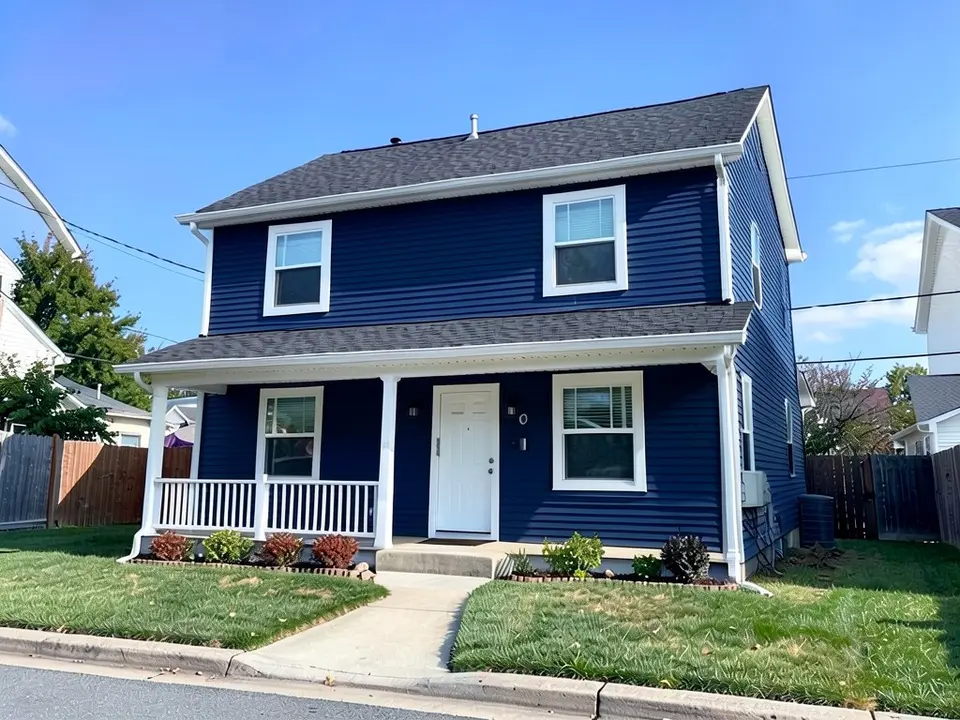
- Navy walls, white trim. Example 3 puts navy on all the siding and keeps the trim white, in the direction of Hunker's navy and white pairing.
How to try two tones on your house
The examples were run directly on an image model, not through this tool, so your results will look different.
- Photograph your house in daylight, straight on, from far enough back that the whole front, including the roof line and the door, fits in the frame.
- Open the photo enhancer, upload your photo, keep Standard Enhancement and click Generate Enhancement.
- Click Edit and paste one of the prompts below into Edit Instructions. Name the one part to recolor, its new color, and list what must stay the same.
- Check the whole image. Look at everything you asked to keep, and run it again if something moved.
The enhancement and the edit each use credits, so this route uses both free renders. To restyle the whole outside at once, use the exterior designer.
The exact prompts behind the examples
These are the edit prompts used for the three examples, word for word. Change the colors and the list of what stays to suit your house.
Prompt 1: only the gable in a second color
Change only the siding in the front-facing gable at the top of the house: paint it a dark green-gray. Keep the white siding on the rest of the house. Keep the house's exact shape, every window, the roof, the door, the driveway, the lawn, the sky and the camera angle exactly the same.
Prompt 2: second floor in a second color
Change only the siding of the second floor: paint the siding above the first floor a dark charcoal gray, and keep the light gray siding on the first floor. Keep the white trim. Keep the house's exact shape, every window, the roof, the door, the driveway, the lawn, the sky and the camera angle exactly the same.
Prompt 3: all the siding in a second color, keep the white trim
Change only the siding: repaint all the pale gray siding a deep navy blue. Keep the white trim, white window frames, white door and white porch posts. Keep the house's exact shape, every window, the roof, the door, the driveway, the lawn, the sky and the camera angle exactly the same.
Before you paint
- Look at real samples on your own wall in sun and in shade, since two colors can look different side by side.
- Check where the break falls. A picture shows a clean line; on a real wall you need a trim edge or corner where one color can end.
- Check your siding and rules. Some materials may not take dark paint, and an HOA or town may have its own rules. Ask your siding maker or a painter.
Who this is for
Homeowners deciding between one color and two before they buy paint, sellers who want to see a direction, and painters or sales reps who want to show a client a two-tone option on their own house.
More exterior color ideas
See the siding colors page for wall colors, the exterior trim colors page for the trim, the front door colors page for the door, the garage door colors page for the garage, the black house exterior ideas page for a dark scheme, and the home exterior visualizer page for changing several things at once.
Frequently asked questions
What is a two-tone house exterior?
It uses two main colors on the outside. WOW 1 DAY PAINTING (June 4, 2024) describes a darker shade on the main front and siding with a lighter shade on the details. Hunker (Sarah Lyon, October 28, 2022) lists 13 two-tone pairings, so the term covers many looks. Examples 1 to 3 above split a gable, a floor, and body against trim.
Which two colors go together?
Hunker's 13 pairings include sage green and white, navy and white, beige and black, white and black, greige and white, charcoal and black, taupe and black, and tan and aqua. Ply Gem (Two Tone Exterior Color Trends 2026) suggests keeping undertones consistent. Example 3 is a navy and white pairing, drawn by our model rather than a paint maker.
Where should the colors change?
Hunker suggests limiting the places where the color changes and making each change follow a logical break such as a change of plane, and an architect it interviewed says a facade should have only a few moments of color change. WOW 1 DAY names overhangs, gables and raised split-levels as details a two-tone scheme can make pop. Example 1 changes at a gable and Example 2 at the roofline between floors.
How much contrast should I use?
Hunker says stronger contrast reads bolder and closer tones read smoother. WOW 1 DAY names white or off-white for the strongest contrast. Example 2 is a strong contrast between charcoal and light gray, and a closer pairing would look softer.
How many colors is too many?
Ply Gem describes a 60/30/10 principle: 60 percent main color, 30 percent secondary and 10 percent accent. WOW 1 DAY suggests a subtle third tone on the door, shutters or porch, or natural wood or stone as a third tone. Hunker's advice is to keep the color changes few.
What color should the trim and garage door be?
WOW 1 DAY says most homeowners put the darker shade on the front and siding and a lighter one on details such as shutters, gutters or railings, and shows one example where the garage door matches the walls. Ply Gem says dark window frames can anchor lighter siding. In Example 2 the garage door stayed white, so it does not match that example, and the trim stayed white in all three.
Does the siding texture change how two tones look?
Ply Gem says smooth siding shows contrast and shadow lines more clearly, while textured or wood-look siding softens the transitions. The siding in our examples is drawn as horizontal lap, so it does not show this difference.
How do I test two colors before painting?
Ply Gem suggests testing samples in both shade and sun, and WOW 1 DAY suggests painting the lighter color first. A render on a photo of your own house is a quicker first look, but it is a direction and not a color match.
Can the AI show two tones on my house?
Yes. Upload a photo of your house, then ask the editor to change only the part you name, such as one floor, a gable or all the siding, to the color you name, and to keep everything else the same. The result is a picture of the look. It does not match a paint color, and parts you did not ask about can change, as the captions show.
Is this tool free?
Signing up is free and gives you 5 credits, which is enough for 2 renders in most countries. Free renders carry an AiExterior watermark. If you want more renders or clean images, paid plans are available on the pricing page.
Do I need an account?
Yes. You need to sign in before a render starts, with an email code or your Google account.
Try it on your own house
Upload a photo of your houseFree sign-up with email or Google. You get 2 free renders in most countries; free renders are watermarked.