Lap Siding Ideas: See the Look on Your Own House
Lap siding is the classic horizontal plank look, and it comes in several profiles: traditional, beaded, Dutch lap and shiplap. Upload a photo of your house and describe the color you want. AiExterior draws it on your photo and usually keeps the windows, roof and doors in place, so you can compare colors before you ask for quotes. This page explains the profiles, materials, widths and upkeep, and is honest about what the AI cannot draw.
Free sign-up with email or Google. You get 2 free renders in most countries; free renders are watermarked.
Before and after examples
Example images are AI-generated: both the sample houses and their redesigns. Results change from render to render, so treat them as concepts, not exact product matches.
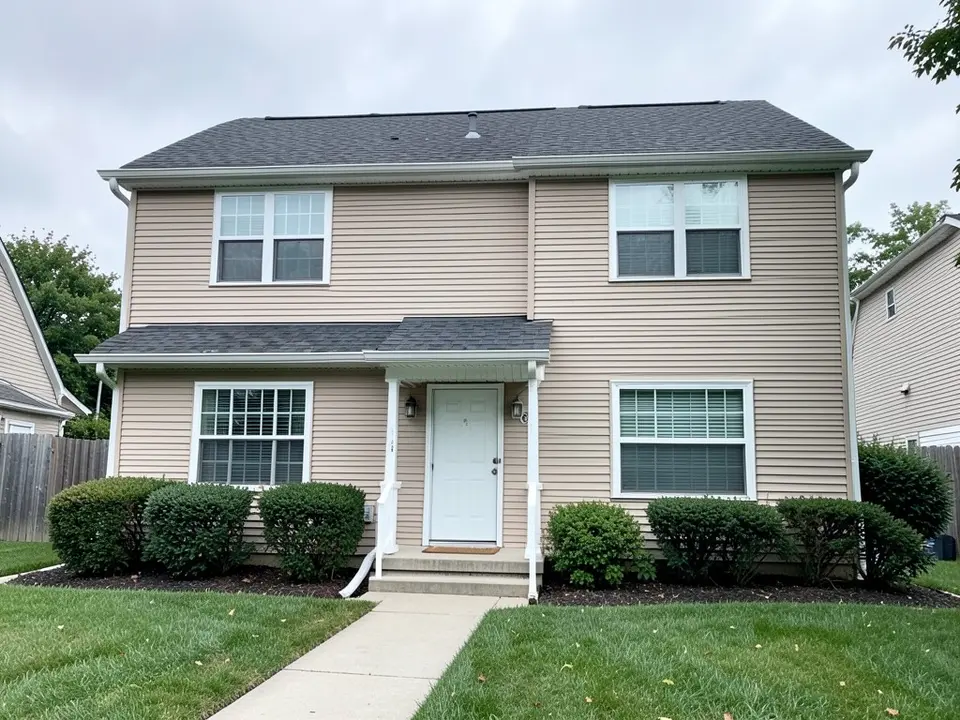 Before
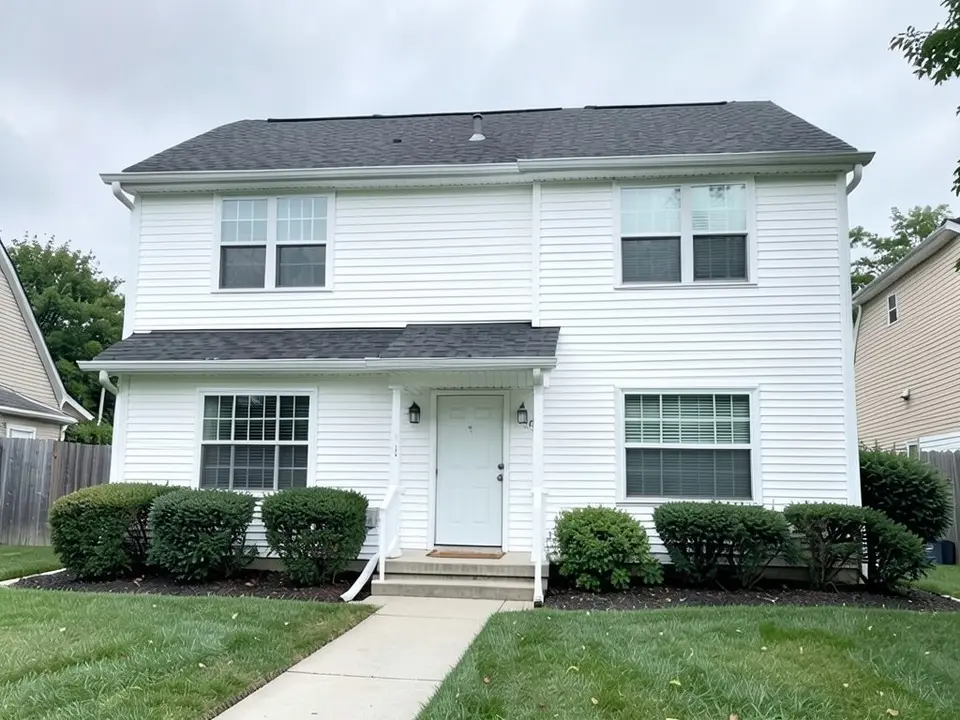 After
After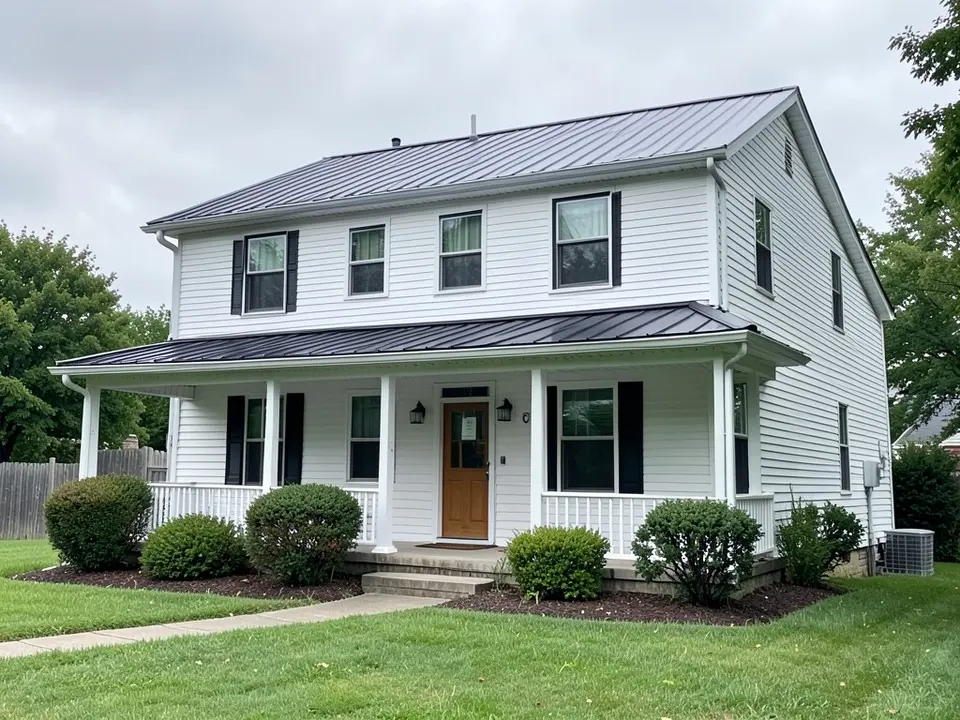 Before
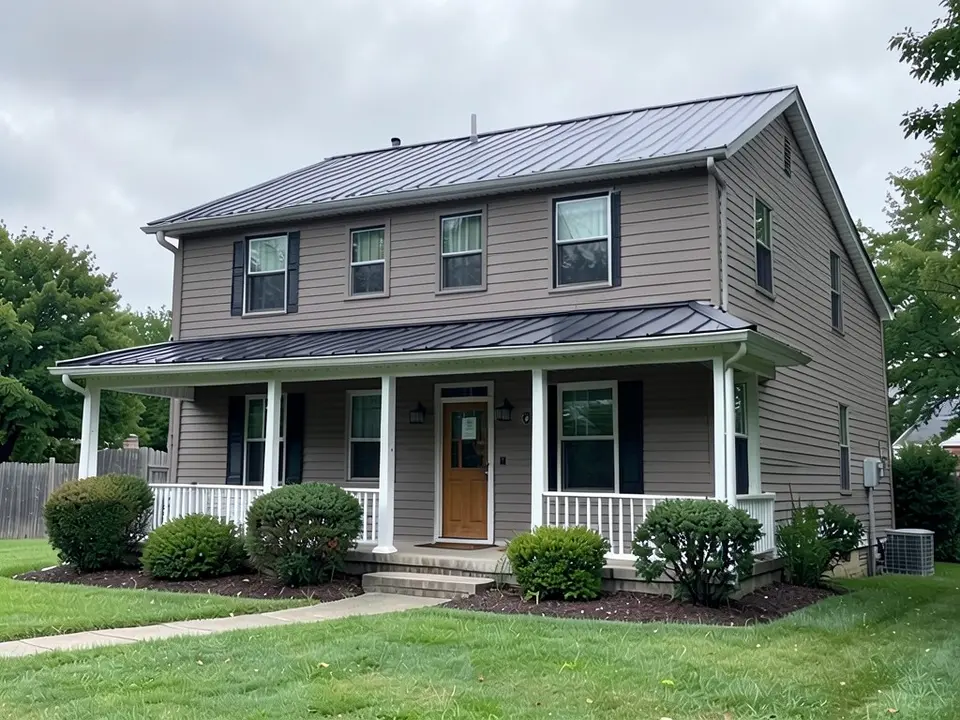 After
After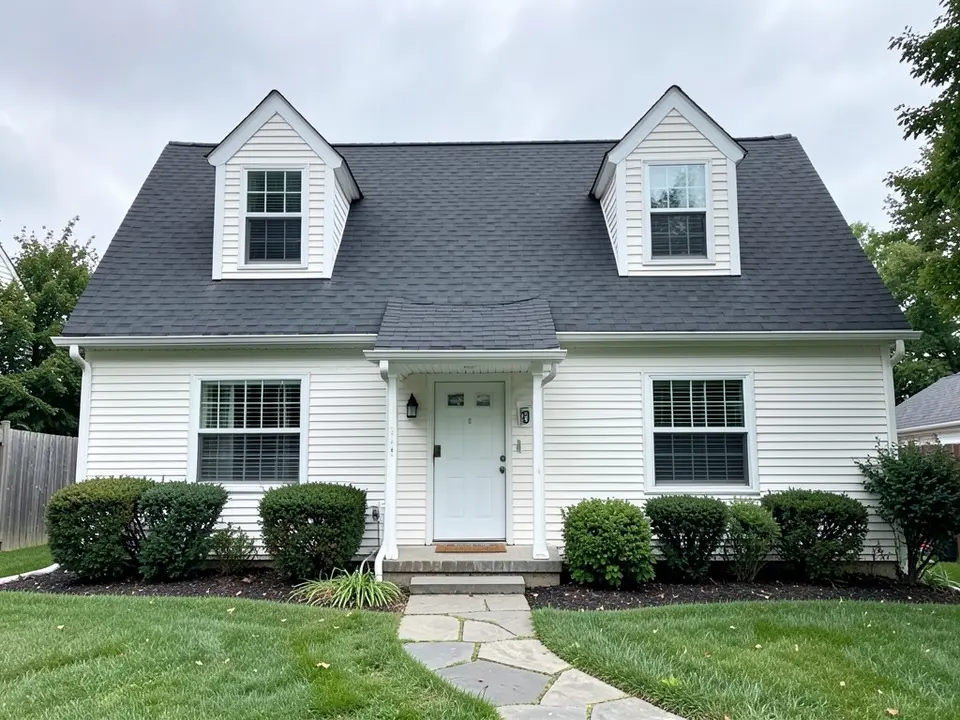 Before
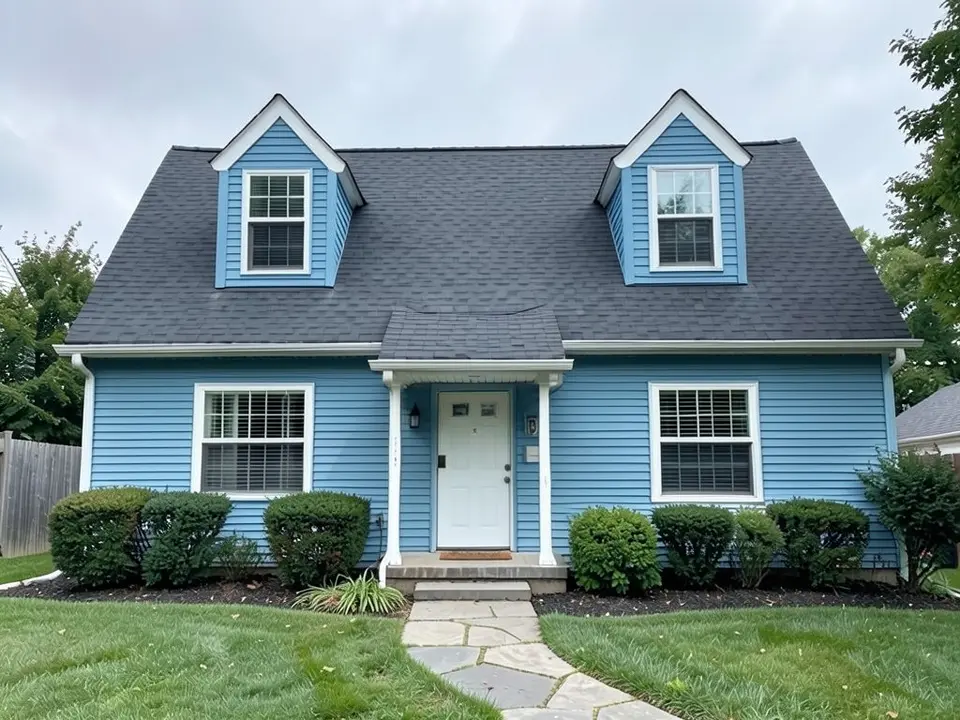 After
AfterWhat the AI can and cannot do
It can show a new lap siding color on a photo of your house, while usually keeping the windows, the roof, the doors and the trim.
It cannot reliably draw a specific lap profile. In the three examples below we asked for wider boards, shiplap and Dutch lap, and the AI mostly changed the color and kept the same plain lap lines. Use this tool to choose a color and a general look, and use a real sample to judge the profile.
Lap siding types compared
| Type | What it is |
|---|---|
| Traditional lap | Beveled wood boards, smooth or rough-sawn; vinyl and metal are shaped to look like planks (Fixr). Classic horizontal planks. |
| Clapboard | Fixr treats it as another name for lap siding; 4feldco lists it as a style of long, narrow boards. |
| Beaded lap | Like traditional, with a small rounded bead along the bottom edge of each plank (Fixr, 4feldco). |
| Dutch lap | A faux lap with a concave top half, so it looks overlapped (Fixr); the curved top edge gives deeper shadow lines (4feldco). |
| Shiplap | Planks with opposing grooves on the edges that fit together, in traditional, beveled and nickel gap styles (Fixr). |
Fixr says manufacturers typically offer lap siding 4 to 9 inches wide, and that planks overlap by a couple of inches. It lists wood, vinyl, fiber cement, metal and engineered wood, and says wood needs more painting and upkeep than the others. 4feldco says shiplap gives a rustic-modern farmhouse look.
Sources: Fixr, "Lap Siding: Your Guide to What It Is, Pros & Cons, Materials, and More" (fixr.com, published May 7, 2024); 4feldco, "What Is Lap Siding? Types and Materials Explained" (4feldco.com, updated July 6, 2026; the company sells and installs siding). The two sources disagree on whether clapboard is a separate style.
Lap siding looks to try
This part is general guidance, not taken from the sources above. The picture settles the question quickly, so try two or three colors on your photo.
- A crisp white: as in the first example. It makes the trim less visible, so check that the windows still read clearly.
- A warm gray: as in the second example. It pairs with a black metal roof and dark window frames.
- A soft blue: as in the third example. Keep the roof in the prompt, or the AI may recolor it.
- Profile: if you want shiplap or Dutch lap, order a real sample to see the shadow line. See our siding colors guide for pairing with roof and trim.
Lap siding or something else?
Lap siding is the horizontal baseline most houses start from. For a vertical look, see our vertical siding ideas. For a textured wood look, see cedar shake siding ideas. For every material side by side, read the types of siding guide.
How to try a lap siding color on your house
The examples on this page used the same idea, one photo plus one written edit, but were run directly on an image model, not through this tool, so your results will look different.
- Photograph the front in daylight, straight on, from far enough back that the whole house fits in the frame, from the ground to the roof peak.
- Open the photo enhancer, upload your photo, keep Standard Enhancement and click Generate Enhancement. This gives you a sharp copy of your house as it is.
- Click Edit (the pencil button above the result) and paste one of the prompts below into Edit Instructions, or write your own. Say the color and what must stay: the trim, the windows, the roof and the doors.
- Check the whole image. Compare the windows, the trim, the roof and the doors with your photo. If something changed that you did not ask for, run it again with clearer words.
The enhancement and the edit each use credits, so this route uses both free renders. To restyle the whole outside at once instead, use the exterior designer.
The exact prompts behind the examples
These are the edit prompts used for the three examples, word for word. They asked for a profile the AI did not draw, so keep your own prompt focused on color and what must stay.
Prompt 1: white lap siding with taller boards
Change only the wall siding: replace the beige narrow horizontal lap siding on every wall with white horizontal lap siding made of much taller boards, each board about twice as tall as before, so there are only about half as many rows on each wall. Keep the white window trim, every window, the white front door and stoop, the dark gray roof, the house's exact shape, the lawn, shrubs, sky and camera angle exactly the same.
Prompt 2: warm gray shiplap
Change only the wall siding: replace the white horizontal lap siding on every wall with warm gray horizontal shiplap siding, flat flush boards separated by thin, evenly spaced grooves with no overlap shadow lines. Keep the black-framed windows, the porch and its white posts, the wooden front door, the black metal roof, the house's exact shape, the lawn, shrubs, sky and camera angle exactly the same.
Prompt 3: soft blue Dutch lap
Change only the wall siding: replace the white horizontal lap siding on every wall and both dormers with soft blue Dutch lap vinyl siding, horizontal boards with a curved, concave top edge that casts a deep, clearly visible shadow line under each row. Keep the white window trim, every window, the white front door and porch roof, both dormers' shape, the dark gray roof, the house's exact shape, the walkway, lawn, shrubs, sky and camera angle exactly the same. The roof must stay the same dark gray asphalt shingles; do not recolor the roof.
Before you start
- Get real samples of the profile. A picture cannot show the shadow line of Dutch lap or the joint of shiplap.
- Ask about material and warranty. Fixr says wood needs more upkeep than vinyl, fiber cement, metal and engineered wood; ask the installer what they would use.
- Get two or three local quotes for the same area of wall, and show the installers the render so they know which color you mean.
Who this is for
Homeowners replacing or recoloring horizontal siding, people choosing between lap, Dutch lap and shiplap who want to see the color first, and anyone who needs a picture to show a contractor or the rest of the family.
More exterior ideas
Add a stone or brick detail with our stone veneer visualizer page or the brick veneer visualizer page. For a full list of updates for a dated home, read how to update your house exterior.
You can also read the composite siding ideas and the James Hardie siding colors pages.
Frequently asked questions
Can I see lap siding on a photo of my own house?
Yes. Upload a photo of the front of your house, then describe the siding color and what must stay, for example "recolor the walls to white and keep the trim, the roof and the doors". AiExterior draws it on your photo and usually keeps the windows, roof and doors in place. It shows color and a general lap look, but as the examples show, it may not draw a specific profile such as shiplap or Dutch lap.
What is lap siding?
Fixr describes lap siding as horizontal planks that overlap, with the planks typically 4 to 9 inches wide, overlapping by a couple of inches. Fixr treats clapboard as another name for lap siding, while 4feldco lists clapboard as a style of long, narrow boards, so sources differ.
What is Dutch lap siding?
Fixr calls it a faux lap: the top half of each plank has a concave surface, so the planks look overlapped but do not actually lap. 4feldco says the curved top edge creates deeper shadow lines and suggests thicker boards.
Is shiplap siding the same as lap siding?
Not exactly. Fixr describes shiplap as planks with opposing grooves on the edges that fit together, made in wood and also in fiber cement, metal and engineered wood, in traditional, beveled and nickel gap styles. It is usually grouped with lap siding because it is also a horizontal plank look.
What materials does lap siding come in?
Fixr lists wood (historically the standard, with cedar resisting moisture and insects), vinyl, fiber cement, metal (aluminum and steel) and engineered wood such as LP SmartSide. The tool does not know the material; it draws the look.
How much upkeep does it need?
Fixr says wood needs more frequent maintenance and painting and is prone to rot, insects and fire, while vinyl, fiber cement, metal and engineered wood are alternatives that resist insects and moisture and do not need painting. 4feldco says vinyl resists moisture, fading and insects.
Is lap siding hard to install?
Fixr rates DIY installation as suited to a mid-level DIYer who can lift planks overhead and install waterproof sheathing, flashing and trim, and says fiber cement and metal need material-specific experience and specialty tools. Most owners hire a professional.
How much does it cost?
Published figures change with the region, the material and the job, so this page does not give a price. Get local quotes for your wall area. This tool does not measure your house or price it.
Is it free?
Signing up is free and gives you 5 credits, which is enough for 2 renders in most countries. Free renders carry an AiExterior watermark. If you want more renders or clean images, paid plans are available on the pricing page.
Do I need an account?
Yes. You need to sign in before a render starts, with an email code or your Google account. That is how the free credits are attached to you.
Try it on your own house
Upload a photo of your houseFree sign-up with email or Google. You get 2 free renders in most countries; free renders are watermarked.