Siding Colors: See Them on Your Own House Before You Buy
Choosing siding color is easier when you can see it on your own house. Upload a photo, name a color and what must stay, such as the trim, the shutters and the roof, and AiExterior draws the new wall color on your photo so you can compare two or three options before you order samples. This page also covers which color families suit which house styles, how to pair siding with roof and trim, and what to ask about dark vinyl colors.
Free sign-up with email or Google. You get 2 free renders in most countries; free renders are watermarked.
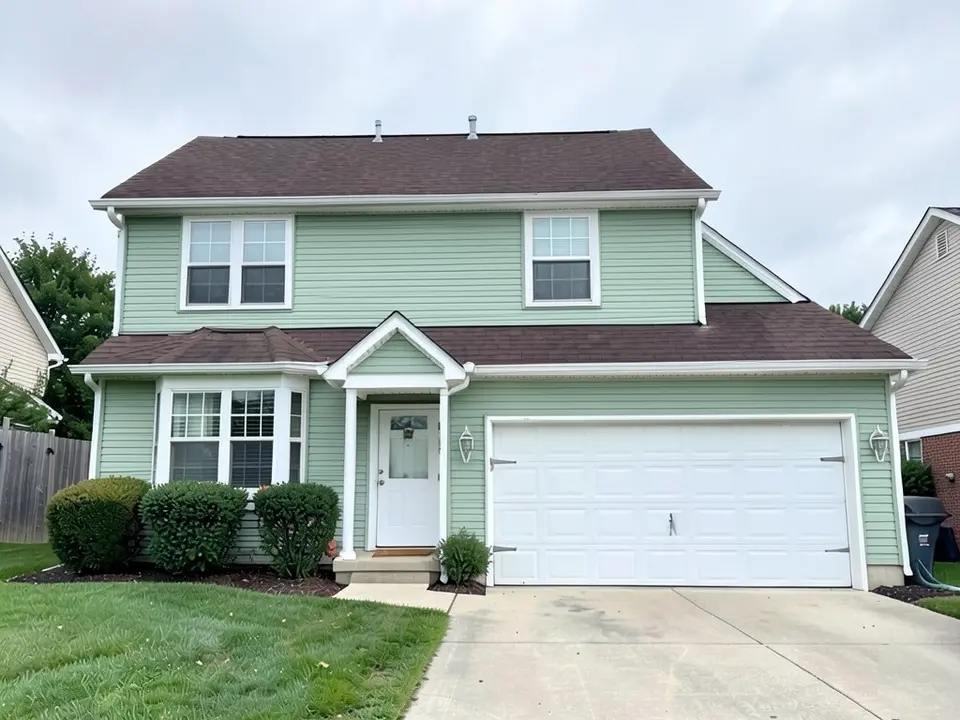
Before and after examples
Example images are AI-generated: both the sample houses and their redesigns. Results change from render to render, so treat them as concepts, not exact product matches.
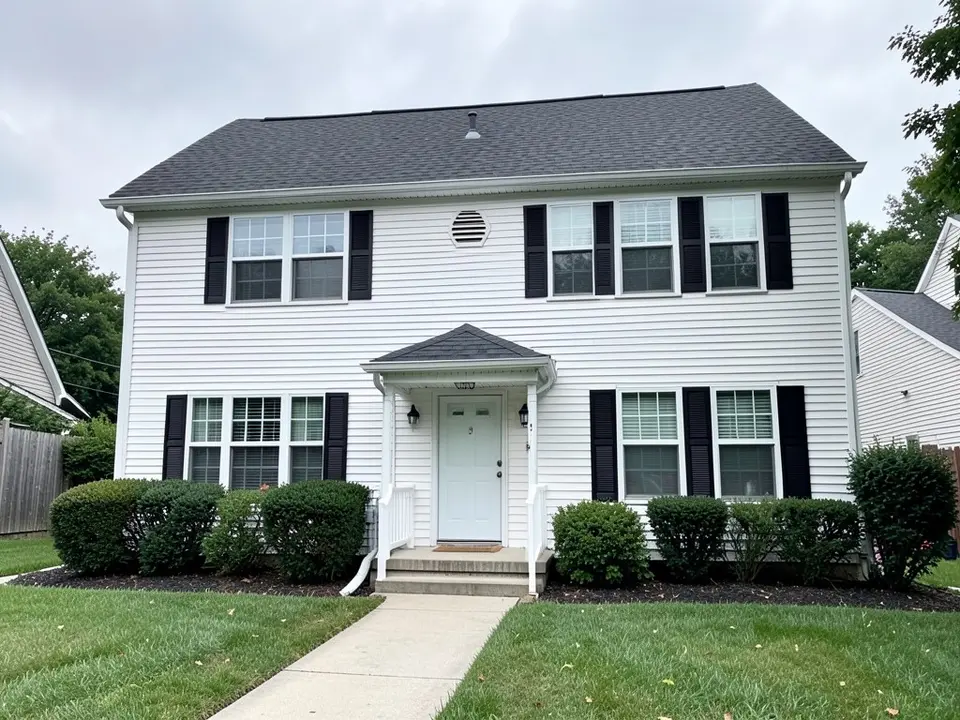 Before
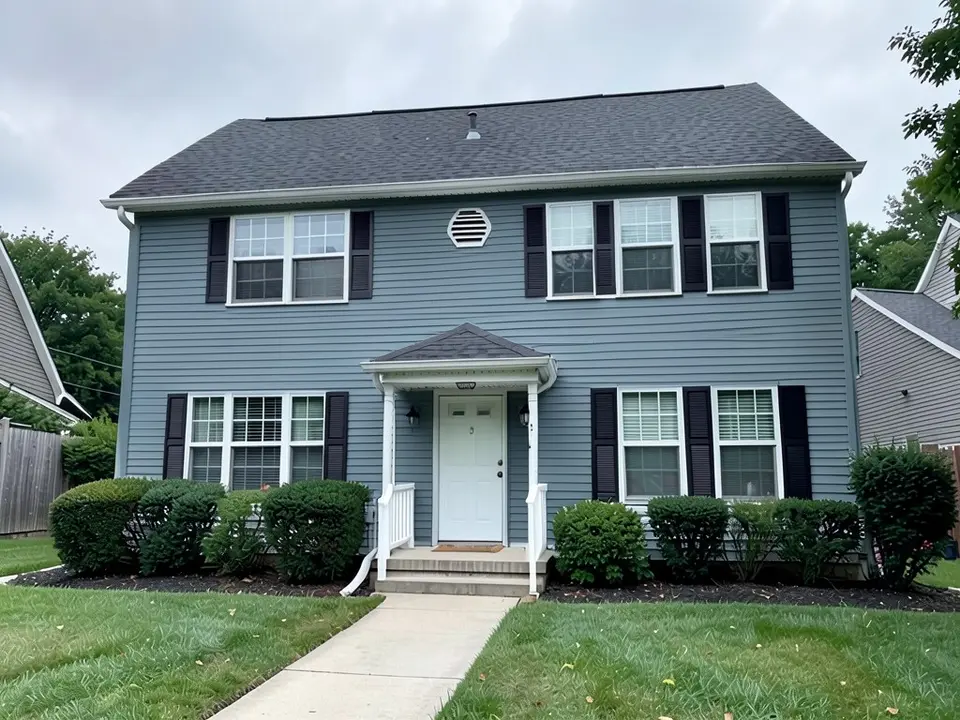 After
After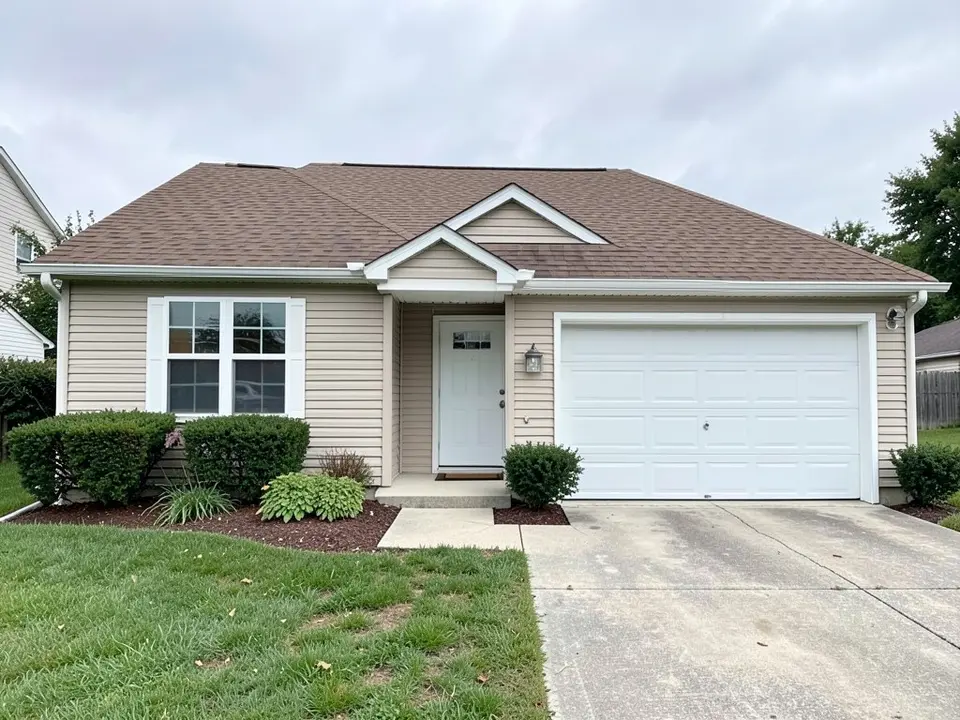 Before
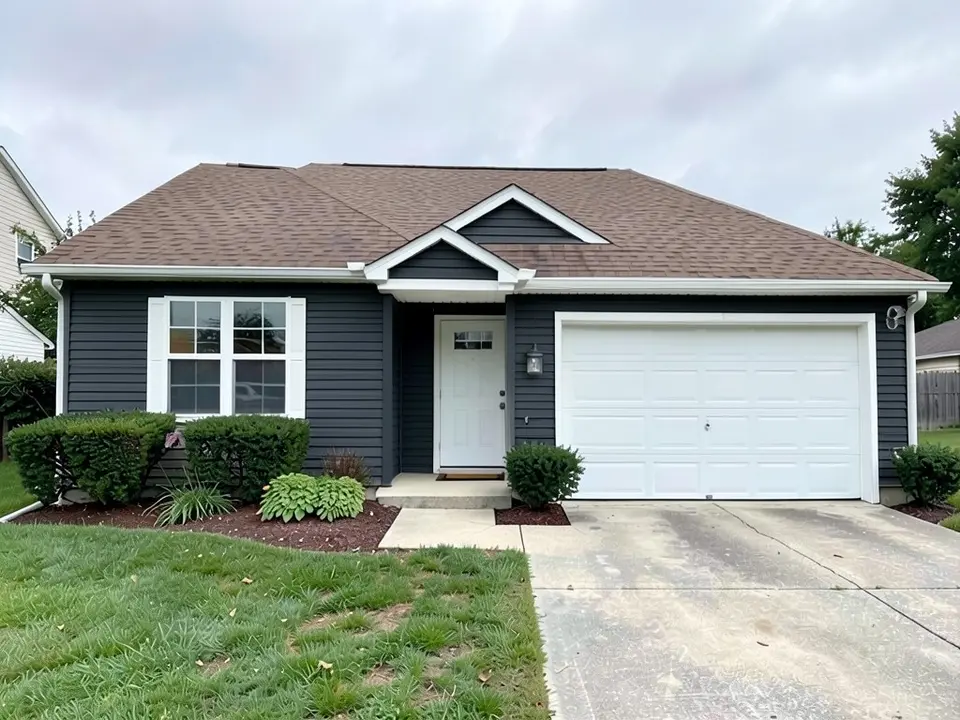 After
After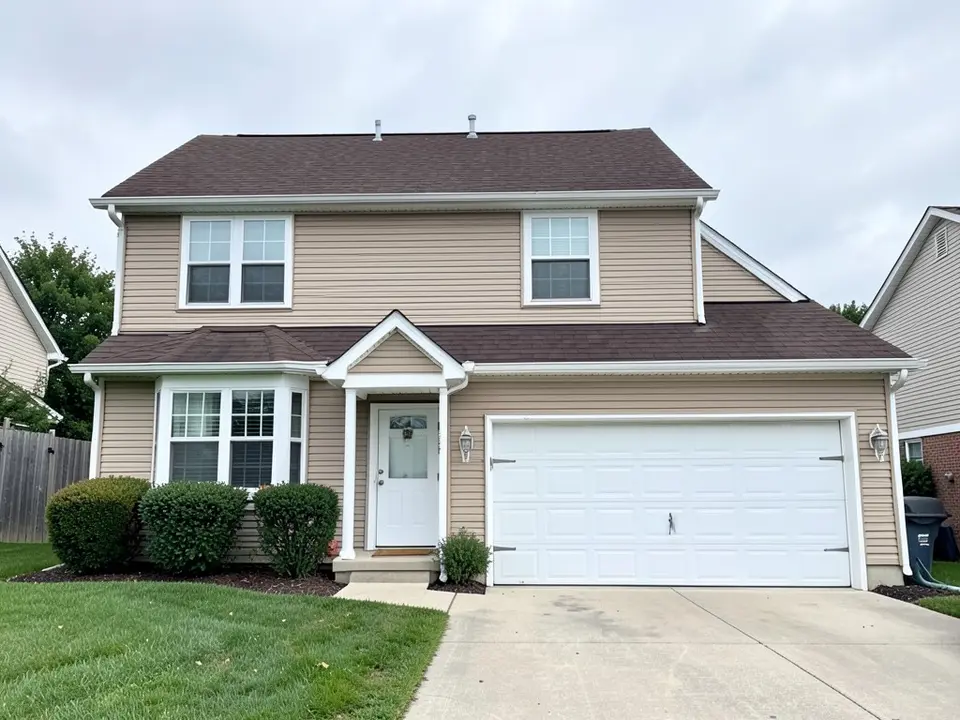 Before
 After
AfterWhat the AI can and cannot do
It can recolor the walls in a photo of your house, so you can compare a light neutral, a deep charcoal and a green side by side, while usually keeping the windows, the roof, the doors and the trim.
It cannot match a manufacturer color, tell you how a color looks in your light, or say whether a color is allowed on your street. It picks its own shade for a color name, so the green you ask for may come out brighter or duller than you meant, as the examples below show. Treat every result as a picture of a direction, not a color order.
Siding color families and the houses they suit
PJ Fitzpatrick, a siding contractor, groups colors by house style. This is one contractor's guide, not a rule.
| House style | Colors the guide suggests |
|---|---|
| Colonial | Light grays, whites and soft blues |
| Craftsman | Earthy greens, tans and browns |
| Cape Cod | White, gray and light blue |
| Modern | Charcoal, navy and black |
The same guide pairs roofs and walls like this: gray roofs with blue, white or green siding, brown roofs with tan, beige or cream siding, and black roofs with lighter siding. It also says lighter shades may help reduce heat in sunny places, and that in shaded or wooded areas brighter colors can add warmth and contrast.
Sources: PJ Fitzpatrick, "Vinyl Siding Colors" (pjfitz.com, undated page; the company installs siding); Ply Gem, "How to Choose Exterior Colors for Your Home" (plygem.com, undated; the company makes siding).
Pairing siding with your roof and trim
- Decide by the rule of three (Ply Gem): pick the main wall color first, then two complementary materials, such as stone veneer or cedar shakes, to avoid a patchwork look.
- Warm with warm, cool with cool (Progressive Foam, 2011): the guide calls browns, reds, oranges and tans warm, and blacks, grays, blues and some greens cool, and says a warm roof looks better with warm siding.
- Trim (Ply Gem): classic white trim suits almost any scheme. If you choose bold trim, keep the siding neutral and subdued.
- Light and dark (Progressive Foam): the guide says light siding makes a house look bigger and dark siding makes it look smaller.
- Check in daylight (Ply Gem): sun changes how colors look, so view samples in full daylight.
See our roof shingle colors guide for roof options and the types of siding guide for the materials. Sources: Progressive Foam, "Choosing Exterior Colors for Your Home" (April 27, 2011; the company makes foam insulation).
Dark vinyl siding colors and heat
- Vinyl Siding Institute (VSI): its paper on concentrated sunlight says the temperatures needed to badly distort vinyl siding are not routinely reached by direct sun plus reflection from normal flat window glass. It ties most cases to reflective Low-E glass and double-pane windows that bend inward and focus the sun.
- Light and dark both: VSI says both light and dark colors can be affected, and that relative darkness appears to be at most a secondary factor.
- What helps (VSI): anything that blocks the sun on its way to the window or to the siding, such as trees, bushes or sunshades above windows.
- Ask before you choose: Ply Gem says older dark colors could absorb more heat and says its own colors are tested and covered by a warranty. Ask the maker for the warranty terms on the exact dark color.
Sources: Vinyl Siding Institute, "The Effect of Concentrated Sunlight on Vinyl Siding" (vinylsiding.org PDF, 2017); Ply Gem, as above.
Siding colors to try on your photo
This part is general guidance, not taken from the sources above. The picture settles the question quickly, so try two or three looks on your photo.
- A muted blue-gray: as in the first example. It keeps white trim and black shutters crisp.
- A deep charcoal: as in the second example. It is the biggest change, so ask the maker about heat and warranty before you choose it.
- A green: as in the third example. Name the shade carefully, because the AI may come back brighter than you meant.
- Keep what stays: always list the roof, trim, shutters and doors in the prompt, so the color change is the only thing you compare.
How to try a siding color on your house
The examples on this page used the same idea, one photo plus one written edit, but were run directly on an image model, not through this tool, so your results will look different.
- Photograph the front in daylight, straight on, from far enough back that the whole house fits in the frame, from the ground to the roof peak.
- Open the photo enhancer, upload your photo, keep Standard Enhancement and click Generate Enhancement. This gives you a sharp copy of your house as it is.
- Click Edit (the pencil button above the result) and paste one of the prompts below into Edit Instructions, or write your own. Name the color as closely as you can and list what must stay: the trim, the shutters, the roof and the doors.
- Check the whole image. Compare the windows, the trim, the roof and the doors with your photo. If something changed that you did not ask for, run it again with clearer words.
The enhancement and the edit each use credits, so this route uses both free renders. To restyle the whole outside at once instead, use the exterior designer, or the paint visualizer if you only want to repaint.
The exact prompts behind the examples
These are the edit prompts used for the three examples, word for word. Paste one into Edit Instructions and change the color and the list of what stays to suit your house.
Prompt 1: slate blue-gray siding
Change only the wall siding color: recolor the white horizontal vinyl lap siding on every wall to a muted slate blue-gray, keeping the same horizontal lap board shape. Keep the white window trim, the black shutters, every window, the white front door and stoop, the dark gray roof, the house's exact shape, the lawn, shrubs, sky and camera angle exactly the same.
Prompt 2: dark charcoal siding
Change only the wall siding color: recolor the beige horizontal vinyl lap siding on every wall of the house and garage to dark charcoal gray, keeping the same horizontal lap board shape. Keep the white window trim, every window, the white front door, the white garage door, the brown roof, the house's exact shape, the driveway, lawn, shrubs, sky and camera angle exactly the same.
Prompt 3: sage green siding
Change only the wall siding color: recolor the tan horizontal vinyl lap siding on every wall, including the garage walls, to a soft sage green, keeping the same horizontal lap board shape. Keep the white window trim, every window, the white front door and entry roof, the white garage door, the dark brown roof, the house's exact shape, the driveway, lawn, shrubs, sky and camera angle exactly the same.
Before you start
- Get real samples. Hold a sample against the house in daylight, next to the roof, brick and trim; a screen cannot show your light.
- Check your HOA or town. Some limit siding colors.
- Ask about fading and warranty for the exact color, especially a dark one.
- Get two or three local quotes and show the installers the render so they know which look you mean.
Who this is for
Homeowners replacing or painting siding, people choosing between two or three colors who want to see them first, and anyone who needs a picture to show a contractor or the rest of the family.
More exterior ideas
Compare shapes as well as colors with the vertical siding ideas and lap siding ideas pages, or see how brick veneer and cedar shakes mix with your siding color.
You can also read the James Hardie siding colors, the composite siding ideas and the shutter colors pages.
Frequently asked questions
Can I see siding colors on a photo of my own house?
Yes. Upload a photo of the front of your house, then describe the new wall color and what must stay, for example "recolor the siding to a muted slate blue-gray and keep the white trim, the shutters and the roof". AiExterior draws the color on your photo and usually keeps the windows, roof and doors in place. It is a picture of the look, not a paint or siding match.
Is this about vinyl siding colors or plastic siding colors?
Both names mean the same thing here. The Vinyl Siding Institute calls the material vinyl (PVC) siding, and many people call it plastic siding. The tool does not know what your siding is made of; it recolors the walls in the picture.
Will the color on screen match the real siding?
No. AI renders and screens shift color, and the tool picks its own shade for a color name. Ply Gem and other makers suggest viewing real samples in full daylight before you commit. Use the render to choose a direction, then compare samples against your roof, brick and trim.
What trim color goes with my siding?
Ply Gem says classic white trim suits almost any scheme, and that if you choose bold trim the siding should be more neutral and subdued. A contractor guide from Progressive Foam suggests trim two shades lighter or slightly darker than the siding, with off-whites for warm palettes and true white for cool ones. That guide dates from 2011, so treat it as a rule of thumb.
Do dark siding colors fade or warp?
The Vinyl Siding Institute says that when sunlight reflected off windows distorts vinyl siding, both light and dark colors can be affected, and relative darkness appears to be at most a secondary factor; its examples involve reflective Low-E glass and windows that concentrate the sun. Ply Gem says older dark colors could absorb more heat, and says its own colors are tested and backed by a warranty. Ask the manufacturer about the warranty terms for the exact dark color you want.
Does my HOA have a say?
Possibly. PJ Fitzpatrick, a siding contractor, advises checking whether your HOA approves the color you pick. This page cannot tell you what your association or town allows, so ask before you order.
Can I try colors for my roof too?
Yes. Siding color and roof color should be picked together. See our roof shingle colors guide for how to try roof colors on the same photo.
Is it free?
Signing up is free and gives you 5 credits, which is enough for 2 renders in most countries. Free renders carry an AiExterior watermark. If you want more renders or clean images, paid plans are available on the pricing page.
Do I need an account?
Yes. You need to sign in before a render starts, with an email code or your Google account. That is how the free credits are attached to you.
Try it on your own house
Upload a photo of your houseFree sign-up with email or Google. You get 2 free renders in most countries; free renders are watermarked.