See New Siding on a Photo of Your Own House
Upload a photo of your home, pick a style, and AiExterior redraws the outside with new siding, trim and colors. Use it to compare looks before you order samples or ask contractors for quotes.
Free sign-up with email or Google. You get 2 free renders in most countries; free renders are watermarked.
Before and after examples
Example images are AI-generated: both the sample houses and their redesigns. Results change from render to render, so treat them as concepts, not exact product matches.
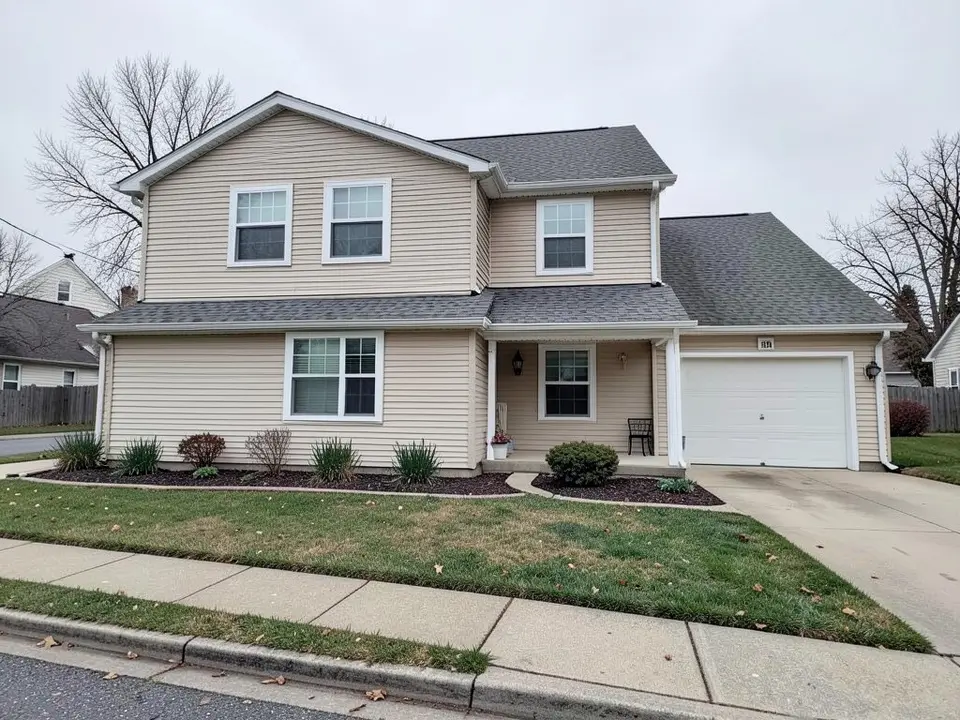 Before
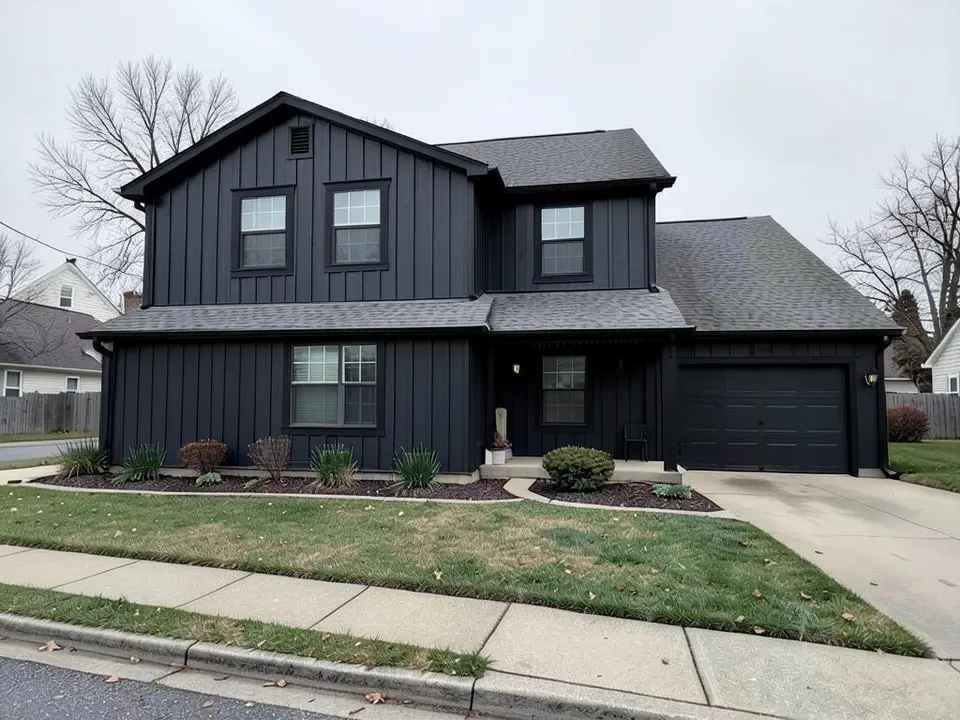 After
After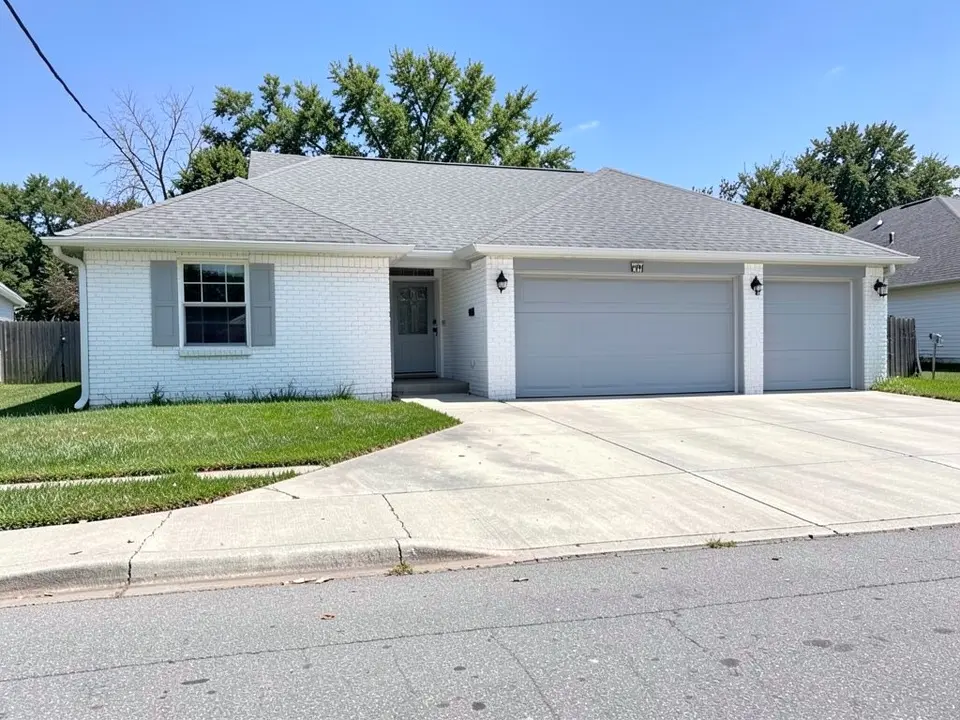 Before
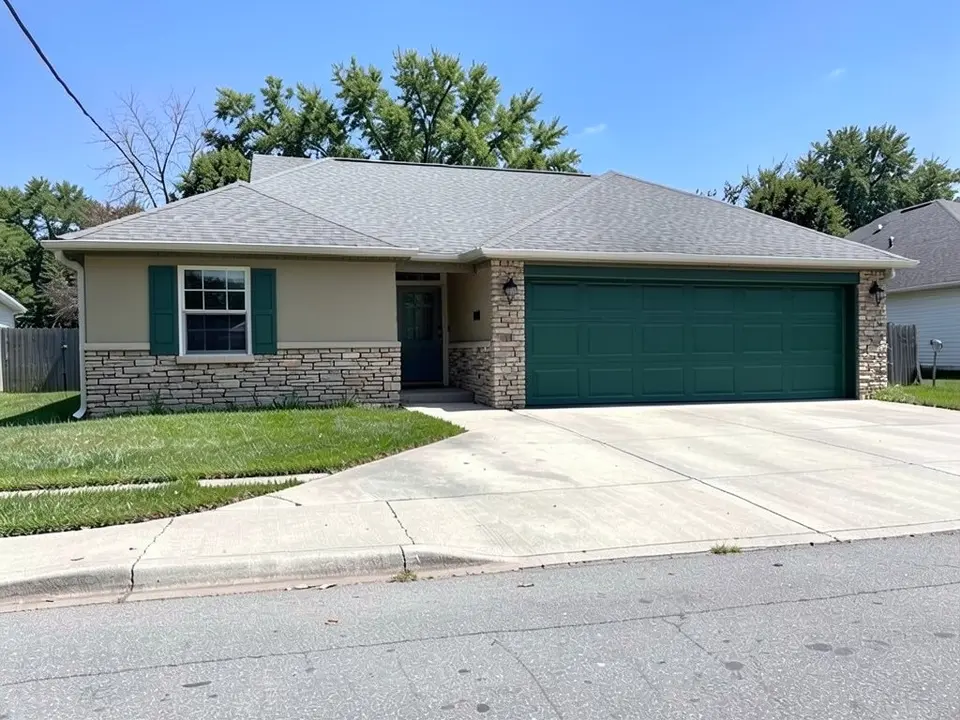 After
AfterHow to see new siding on your house
- Take a photo of the front of your house in daylight, with the whole wall in the frame. Tips for a good photo are further down this page.
- Open the exterior designer and upload it. Choose the building type that fits best: house, bungalow, cottage, townhouse or villa.
- Pick a style. The current styles are Modern, Minimalist, Rustic, Contemporary, Mediterranean and Scandinavian. There is no separate siding-material menu, so the style is how you steer the look. As a starting point, try Modern or Contemporary for dark vertical siding and crisp trim, Rustic for wood tones and stone, and Scandinavian or Minimalist for light, simple cladding.
- Sign in and render. New accounts get 2 free renders. The result appears next to your photo so you can compare.
- Render a few versions. Each run is a new take. Save the ones you like and show them to your family or your contractor.
Siding types worth comparing
Siding is a big purchase and you live with it for decades, so it helps to see the main options on your own walls first. These are the types most homeowners weigh up:
Vinyl
Vinyl is the most common choice in many US neighborhoods. It comes in a wide range of colors and profiles, including horizontal lap, Dutch lap and vertical styles, and it never needs painting. On the downside, panel seams can show up close, and very dark vinyl colors can fade faster in strong sun. A render helps you judge whether a lap profile or a vertical look suits your house better.
Fiber cement (often called Hardie board)
Fiber cement is a heavy board made from cement, sand and wood fibers. It is made to look like painted wood, holds paint well, resists rot and insects and does not burn the way wood does. It is heavier and slower to install than vinyl, and it will need repainting at some point, though factory finishes last longer than paint applied on site. It works for lap siding, panels and board and batten.
Board and batten
Board and batten is a pattern, not a material: wide vertical boards with narrow strips (battens) covering the joints. You can get it in vinyl, fiber cement, engineered wood or real wood. It gives a farmhouse or modern look and makes a low house look a little taller. Dark colors such as charcoal, black or deep green are popular, as in the first example above.
Cedar shake
Cedar shakes are wood shingles with a warm, textured look that suits cottages, Cape Cods and coastal homes. Real cedar needs regular staining or sealing and care against moisture. Many people use shake only on gables or dormers as an accent, or choose vinyl or composite shakes that copy the look with less upkeep.
Brick and stone veneer
Veneer is a thin layer of brick or stone fixed to the outside wall. It is often used on the lower part of the front wall, around the entry or on columns, with siding above. The second example above shows a stacked stone base with painted walls and new trim.
Pairing siding color with your roof and trim
- Start from the roof. It is the hardest part to change. Brown or warm-toned shingles look right with warm siding (cream, tan, warm gray, olive). Gray or black roofs suit cooler whites, grays, blues and charcoal.
- Plan for contrast. Light siding with dark windows and trim looks crisp and modern. Dark siding usually needs either black trim for a bold, solid look or white trim to outline the shape.
- Use three colors at most: one for the main walls, one for trim and one accent, usually the front door.
- Do not forget what stays. A brick chimney, stone steps, a red driveway or the neighbors' houses all sit next to your new color. Seeing the whole photo redone makes clashes easy to spot.
- Check real samples. Screens and AI renders shift color. Once you like a direction, hold physical samples against the house in morning and afternoon light.
What drives the cost, in general terms
This page does not quote prices, because they change a lot by region and by house. As a broad rule, vinyl sits at the lower end of the common options, engineered wood and fiber cement sit in the middle, and real cedar and brick or stone veneer are usually at the top. Labor, the size and shape of the walls, removing the old siding, repairs found underneath and new trim can matter as much as the material. Get two or three local quotes for the look you choose.
How to take a photo that gives good results
- Stand across the street so the whole front of the house and the roofline fit in the frame.
- Shoot straight on or at a slight angle, holding the phone level, with the normal lens rather than ultra-wide.
- Pick soft light: an overcast day or a time when the sun is not directly behind the house.
- Move cars and bins out of the way. Big trees or bushes in front of the walls hide what the AI needs to redraw.
- Use a recent photo of the house as it is now, so the before and after are a fair comparison.
Who this is for
Homeowners planning to replace or paint siding, people choosing between two or three colors who want to see them on their own house, and contractors or designers who want to show a client a quick concept before ordering samples. It is a visual tool: it does not measure your walls, check building rules or replace a contractor's advice.
Frequently asked questions
Is the siding visualizer free?
Signing up is free and gives you 5 credits, which is enough for 2 renders in most countries. Free renders carry an AiExterior watermark. If you want more renders or clean images, paid plans are available on the pricing page.
Do I need an account?
Yes. You need to sign in before a render starts, with an email code or your Google account. That is how the free credits are attached to you.
Can I choose an exact brand color, like a specific fiber cement color?
No. The tool works from the photo and the style you pick, not from a manufacturer catalog, so colors and textures are close looks, not exact matches. Use the render to settle on a direction, then compare real samples outside in daylight.
Which siding types can I preview?
The tool does not have a siding-material menu. You steer the result with the style setting, and each render is a fresh take, so generating a few versions is the best way to see vinyl-style lap siding, board and batten, shake or stone and brick accents on your house.
Will the AI change parts of the house I want to keep?
It aims to keep the shape of the house, the roofline and the window positions, but it can also change details such as the front door, garage door, trim or plants. If a render changes something you care about, run it again or try another style.
Does it tell me what new siding will cost?
No. It shows how a look could appear on your house. It does not measure walls or price materials. For cost, get quotes from local siding contractors.
Does it work on brick or stucco houses?
Yes, you can upload any house exterior and see a new look on it. Whether new siding can actually go over brick or stucco on your house is a question for a contractor.
Try it on your own house
Upload your house photoFree sign-up with email or Google. You get 2 free renders in most countries; free renders are watermarked.