Stone and Siding Combinations: See Them on Your House Before You Build
Free sign-up with email or Google. You get 2 free renders in most countries; free renders are watermarked.
Stone and siding can look rich together or busy, and it is hard to tell from a sample board. Upload a photo of your house below to see stone beside your siding before you order any. This page also shows three examples on stand-in houses, lists what three published guides suggest about where to put stone and what to pair it with, and tells you what a render cannot show.
Try other exterior changesBefore and after examples
Example images are AI-generated: both the sample houses and their redesigns. Results change from render to render, so treat them as concepts, not exact product matches.
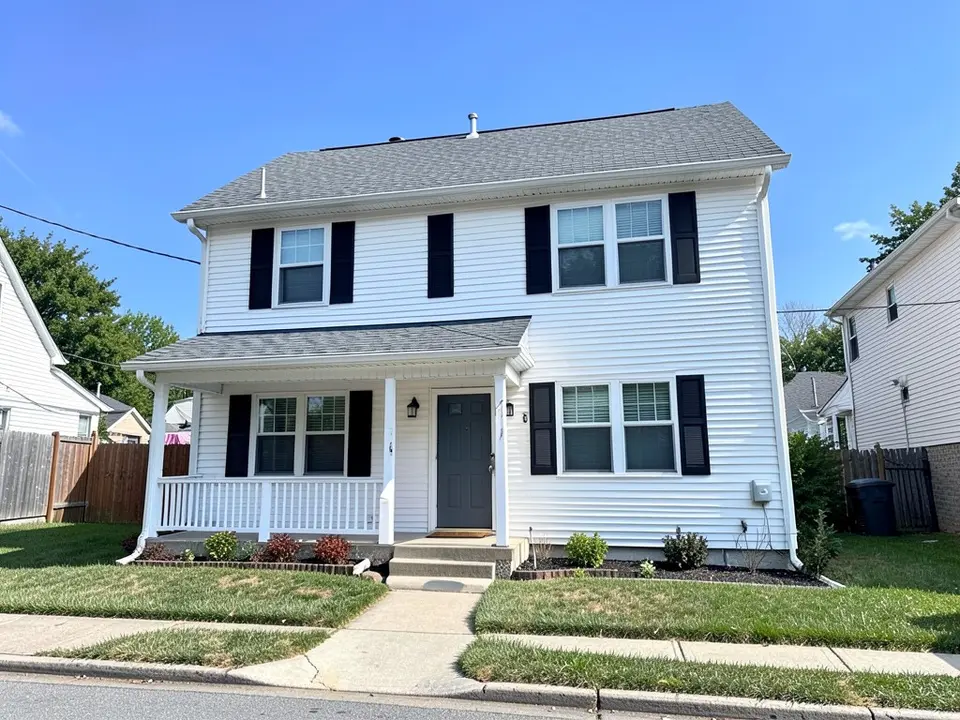 Before
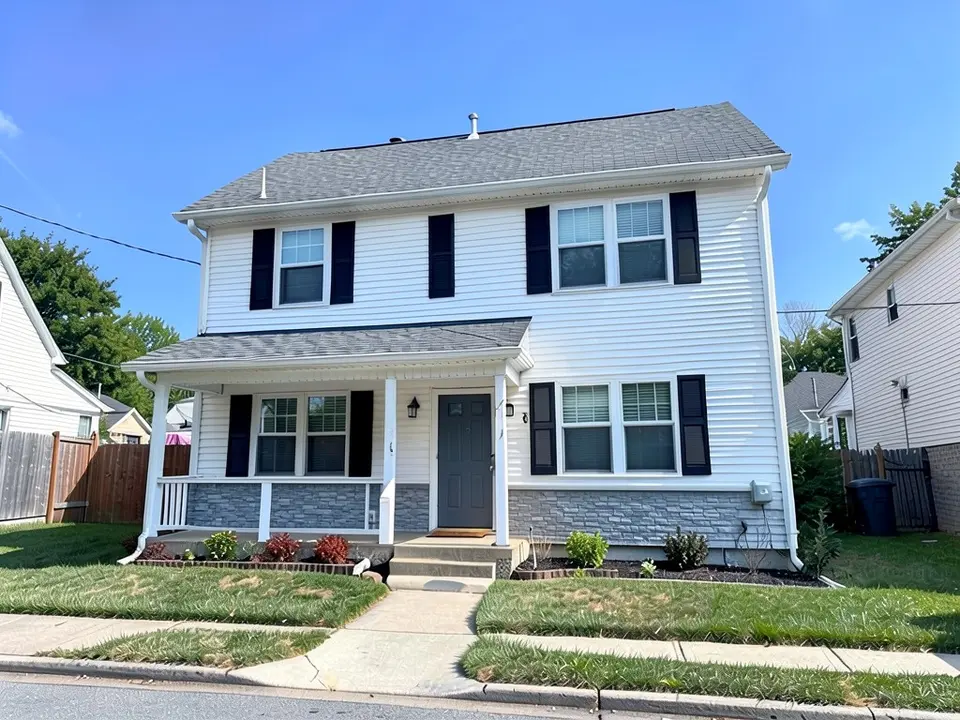 After
After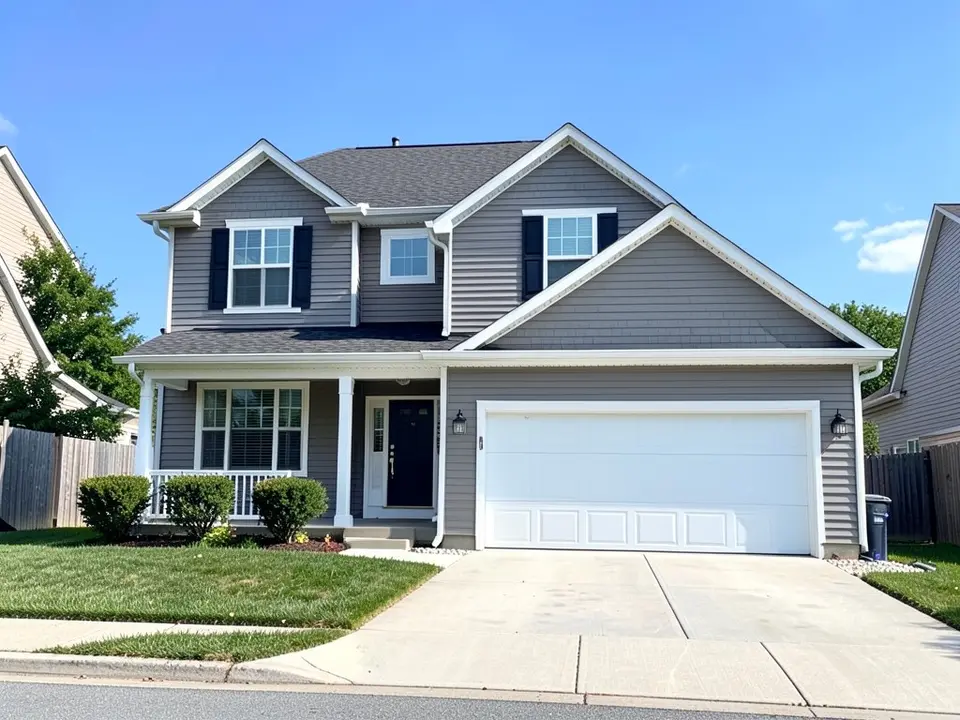 Before
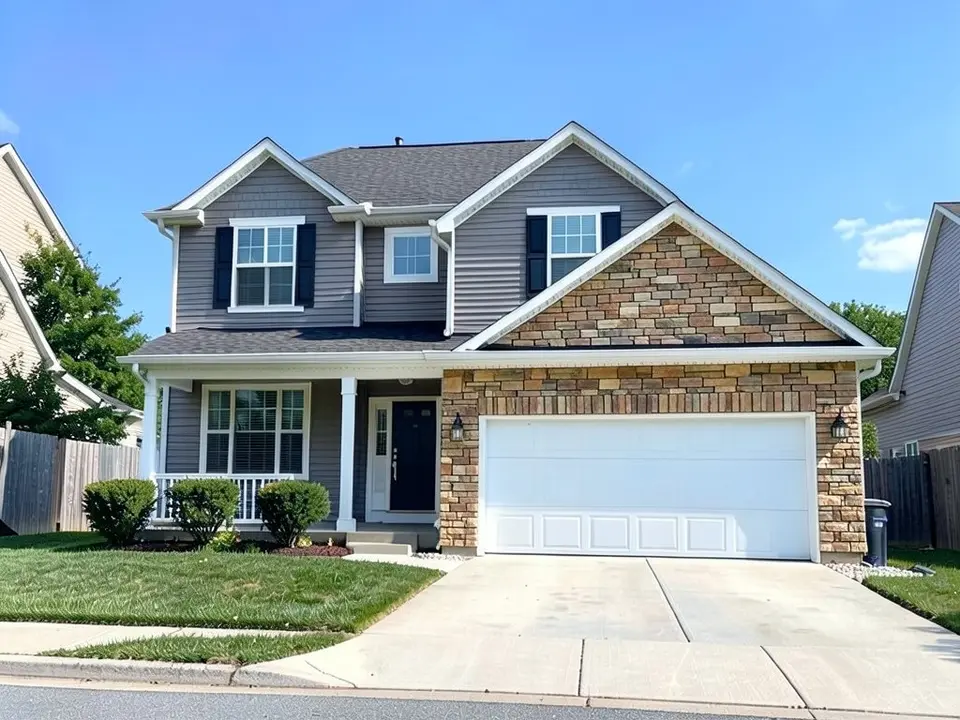 After
After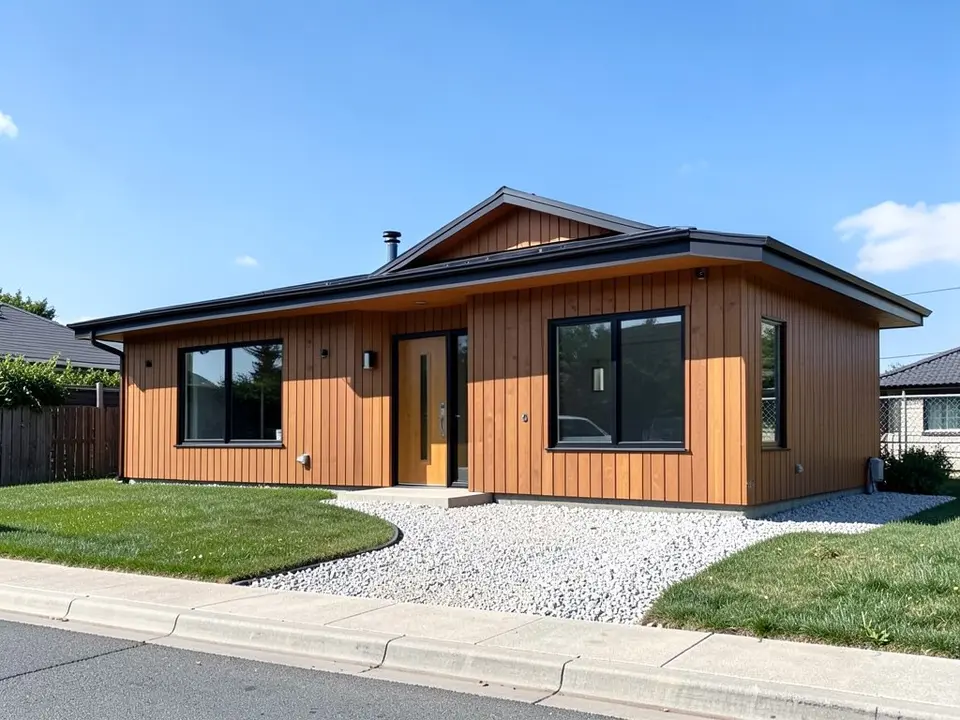 Before
 After
AfterWhat the AI can and cannot do
It can draw stone on the part of your house you name, usually keeping the siding, the roof and the yard, so you can see how the two sit together on your own wall.
It cannot match a stone product, show how real stone is laid or how thick it is, or tell you what it costs. The examples above also changed parts we did not ask about, including a porch railing and a whole gable, as the captions say. Treat each result as a direction to check with real samples.
What the guides suggest for stone with siding
These points come from three published pieces: James Hardie, "Design-focused siding combinations for brick and stone houses" by Lindsay Frankel (January 23, 2024); Ply Gem, "How to mix and match siding and stone" (no author or date shown on the page); and Brick&Batten, "8 Stone Accent Wall Ideas to Increase Your Home's Curb Appeal" by Hannah Warne (March 1, 2024). James Hardie and Ply Gem sell siding, so the product names below are theirs. They are suggestions, not rules.
| Topic | What the guides suggest |
|---|---|
| Where | Commonly on the base of the house, up to or just past the bottom of the windows, with vertical siding panels or lap siding above, and around columns (James Hardie). Keep stone low on the home (Ply Gem). Pillars, chimneys and smaller walls (Brick&Batten). |
| Stone style | Choose the profile first: larger profiles such as cut cobblestone or fieldstone for big areas, ledgestone or shadow ledgestone for smaller applications (Ply Gem). |
| Siding color | Monochromatic, such as brown stone with Timber Bark, or a subtle contrast, such as blue-toned gray stone with Mountain Sage green (James Hardie). Take body, trim or accent colors from the stone's secondary colors and avoid matching too exactly (Ply Gem). |
| Light and dark | Make the stone the darkest element, but not so dark that the stone and siding colors do not relate (Ply Gem). |
| How much | Use moderation to avoid a busy look (James Hardie). |
| Test first | View samples outdoors (Ply Gem). Sample paint colors before committing (Brick&Batten). |
Other points from the same sources:
- The squint test. Ply Gem suggests squinting at the stone to find its dominant color before you pick a siding color.
- Natural pairings. Brick&Batten suggests pairing stone with natural materials such as wood, copper or steel.
- Start with either. Ply Gem says starting with the siding and choosing the stone afterward is acceptable.
Three stone and siding looks to try
- A stone base under white siding. Example 1 puts gray ledgestone along the bottom of a white lap siding house, the low placement the guides describe, though ours stops short of the sill.
- Stone around the garage. Example 2 puts tan and brown stacked stone on the garage wall of a gray house. It is our own try, and it spread into the gable.
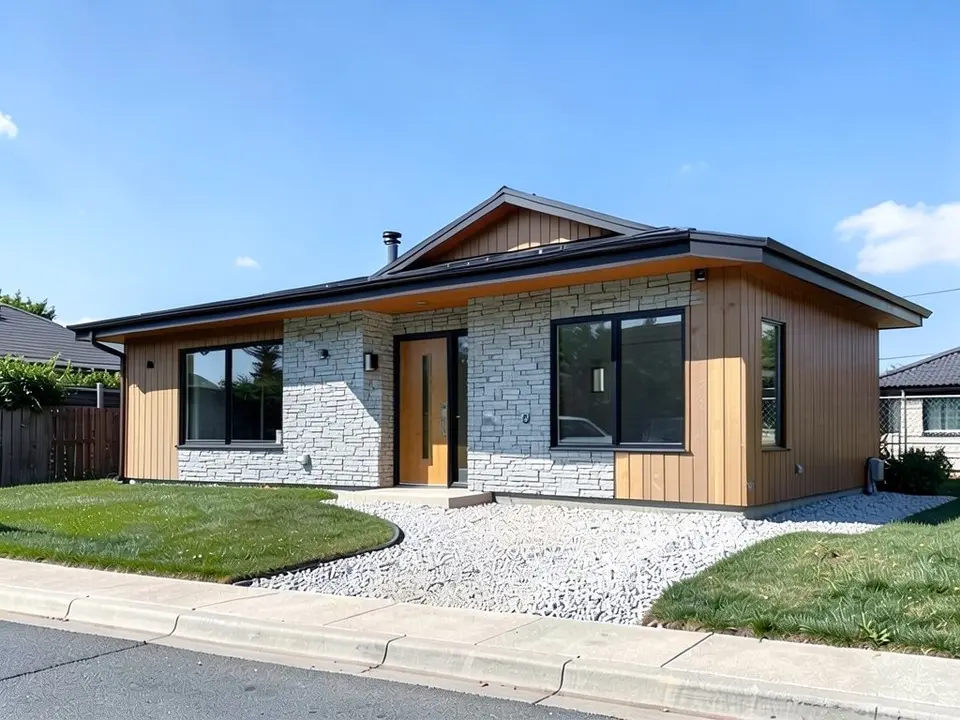
- A stone entry wall. Example 3 puts light gray stone around the door of a wood-sided house with black-framed windows, in the spirit of the rustic stone entryway Brick&Batten describes.
How to try stone beside your siding
The examples were run directly on an image model, not through the tool above, so your results will look different.
- Photograph your house in daylight, straight on, from far enough back that the whole front, including the roof line and the door, fits in the frame.
- Upload it in the tool at the top of this page, or open the exterior designer, and name the part of the wall for the stone, the stone style and its color.
- Say what stays. List the siding, the railings, the gables and the trim to keep, as the prompts below do.
- Check the whole image. Look at the railings, gables and trim around the stone, and run it again if something you wanted to keep has moved.
The exact prompts behind the examples
These are the edit prompts used for the three examples, word for word. Change the stone style, color and area to suit your house.
Prompt 1: a ledgestone base under the siding
Change only the lower part of the front wall: add gray ledgestone veneer on the bottom of the front walls, from the ground up to the bottom of the first-floor windows, and keep the white lap siding above it. Keep the house's exact shape, every window, the roof, the door, the driveway, the lawn, the sky and the camera angle exactly the same.
Prompt 2: stacked stone around the garage door
Change only the flat wall surface around the garage door: cover the gray siding on both sides of the garage door and above it, up to the roof edge, with natural tan and brown stacked stone veneer. Keep the white garage door in its exact size and place, and keep the gray siding on the rest of the house. Keep the house's exact shape, every window, the roof, the door, the driveway, the lawn, the sky and the camera angle exactly the same.
Prompt 3: a stacked stone entry wall
Change only the entry wall: cover the wall around the front door with light gray stacked stone veneer, from the ground to the roof. Keep the wood front door, the vertical siding on the other walls, the black window frames. Keep the house's exact shape, every window, the roof, the door, the driveway, the lawn, the sky and the camera angle exactly the same.
Before you order stone
- View real samples outdoors next to your siding, in the light your house gets.
- Check the height and the edges. A picture does not show where stone would really end, or how it turns a corner.
- Check the cost and the wall. A render does not price stone or check that your wall can carry it. Ask a mason or contractor.
Who this is for
Homeowners deciding where to put stone on a house with siding, buyers planning a facelift, and contractors or sales reps who want to show a client a stone and siding mix on their own house.
More siding and stone ideas
See the stone veneer visualizer page for trying stone on its own, the siding colors page for wall colors, the types of siding page for materials and styles, the vertical siding ideas page for board and batten, the brick and siding combinations page for siding beside brick, and the home exterior visualizer page for changing several things at once.
Frequently asked questions
Where on the house should stone go with siding?
James Hardie (Lindsay Frankel, January 23, 2024) says stone is commonly used on the base of the house, up to or just past the bottom of the windows, with vertical siding panels or lap siding above, and also around columns. Ply Gem advises keeping stone low on the home. Brick&Batten (Hannah Warne, March 1, 2024) shows stacked stone with siding on pillars, chimneys and smaller walls, and a rustic stone entryway as a focal point. Examples 1 to 3 above try a base, a garage wall and an entry wall.
Which stone style should I pick?
Ply Gem says to choose the stone profile first: larger profiles such as cut cobblestone or fieldstone for big areas, and ledgestone or shadow ledgestone for smaller applications. Example 1 is a ledgestone-style base and Examples 2 and 3 are stacked stone.
What siding color goes with stone?
James Hardie suggests a monochromatic look, such as brown stone with its Timber Bark siding, or a subtle contrast, such as blue-toned gray stone with its Mountain Sage green. Ply Gem suggests a squint test to find the stone's dominant color, drawing body, trim or accent colors from the stone's secondary colors, and not matching too exactly. These are makers' suggestions, so check a real sample.
Should the stone be darker than the siding?
Ply Gem says to make the stone the darkest element, but not so dark that the stone and siding colors no longer relate to one another. In our examples the stone is lighter than the wood in Example 3, so it goes against that advice, and we show it as a look to compare rather than a recommendation.
How much stone is too much?
James Hardie says to use moderation so the house does not look busy. Brick&Batten lists a wraparound ashlar stone look among its eight ideas, so how much is right is a matter of taste and of the house.
Does stone work with white siding?
Brick&Batten includes all-white siding with stone among its eight stone accent wall ideas. Example 1 above puts gray stone under white lap siding. Note that in that example the model also replaced the porch railing with stone, which we did not ask for.
Can the AI show stone on my house?
Yes. Upload a photo of your house in the tool at the top of this page, then ask it to add stone to the part you name and to keep the rest the same. The result is a picture of the idea. It does not match a stone product, show how thick or heavy real stone is, or tell you what it costs, and parts you did not ask about can change, as the captions show.
Is this the same as the stone veneer visualizer?
That page is about trying stone veneer on a house photo. This page is about how stone and siding sit together. Both use the same editor.
Is this tool free?
Signing up is free and gives you 5 credits, which is enough for 2 renders in most countries. Free renders carry an AiExterior watermark. If you want more renders or clean images, paid plans are available on the pricing page.
Do I need an account?
Yes. You need to sign in before a render starts, with an email code or your Google account.
Try it on your own house
Upload your house photoFree sign-up with email or Google. You get 2 free renders in most countries; free renders are watermarked.