Victorian House Exterior Colors: Try a Body, Trim and Accent Scheme
Free sign-up with email or Google. You get 2 free renders in most countries; free renders are watermarked.
A Victorian house has a lot of trim, brackets and spindles, so the colors you pick for the body, the trim and the accents decide how much of that detail shows. Upload a photo of your house below to try a scheme on it, then see what published guides suggest and three before and after examples on stand-in Victorian houses.
Trim color ideasBefore and after examples
Example images are AI-generated: both the sample houses and their redesigns. Results change from render to render, so treat them as concepts, not exact product matches.
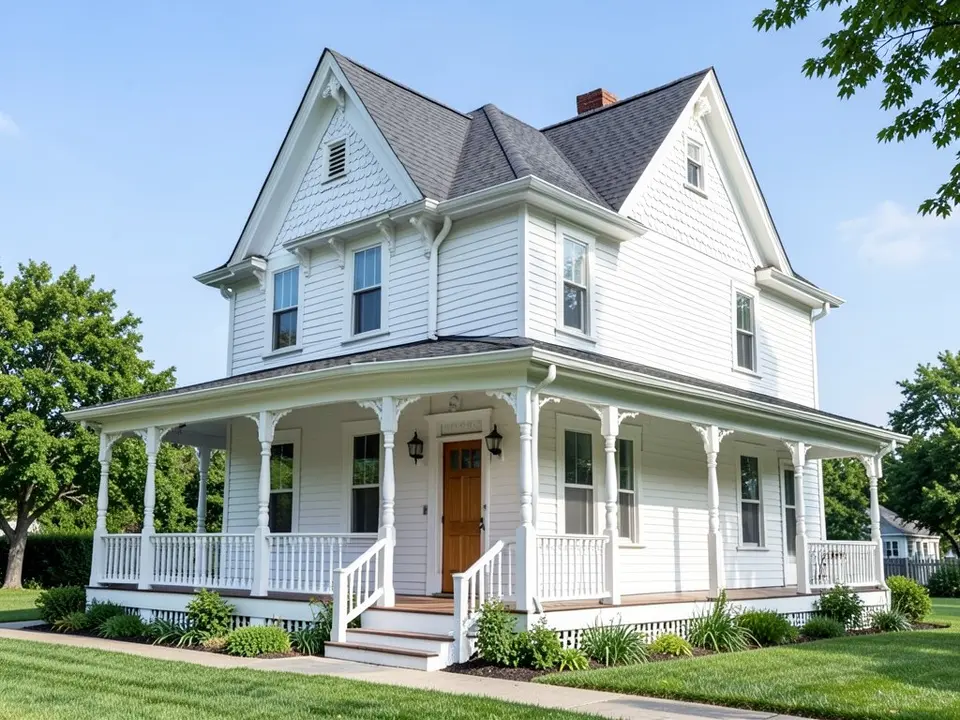 Before
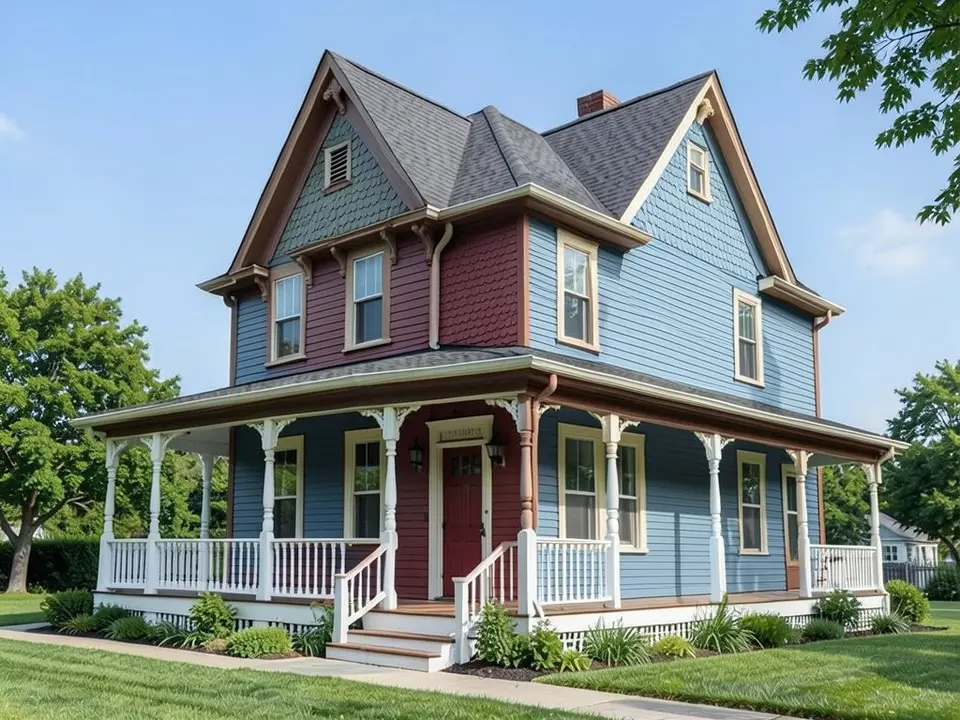 After
After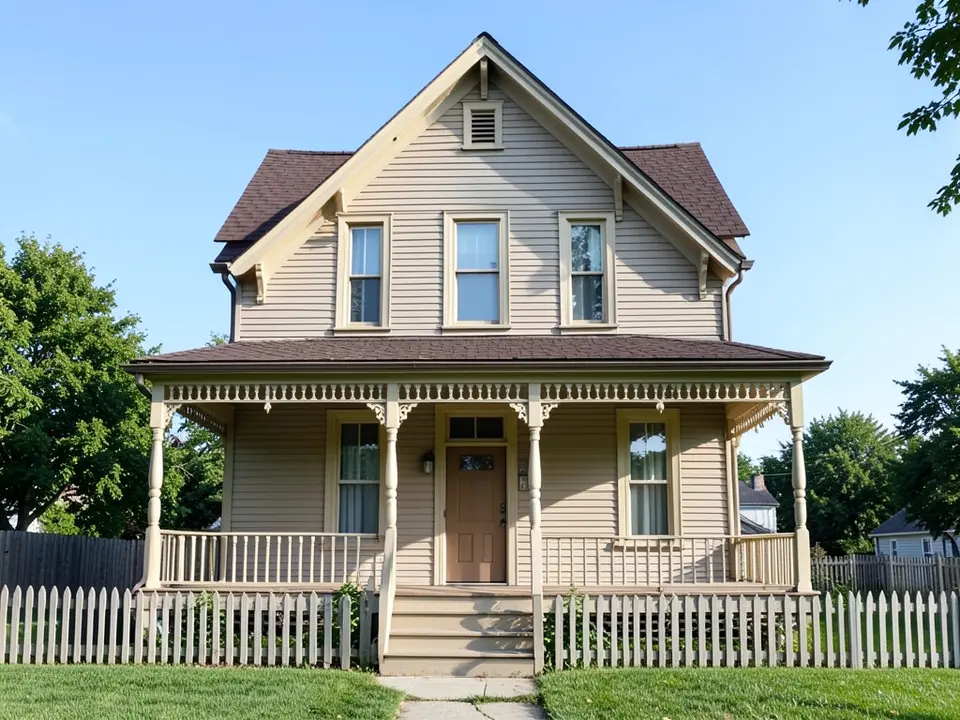 Before
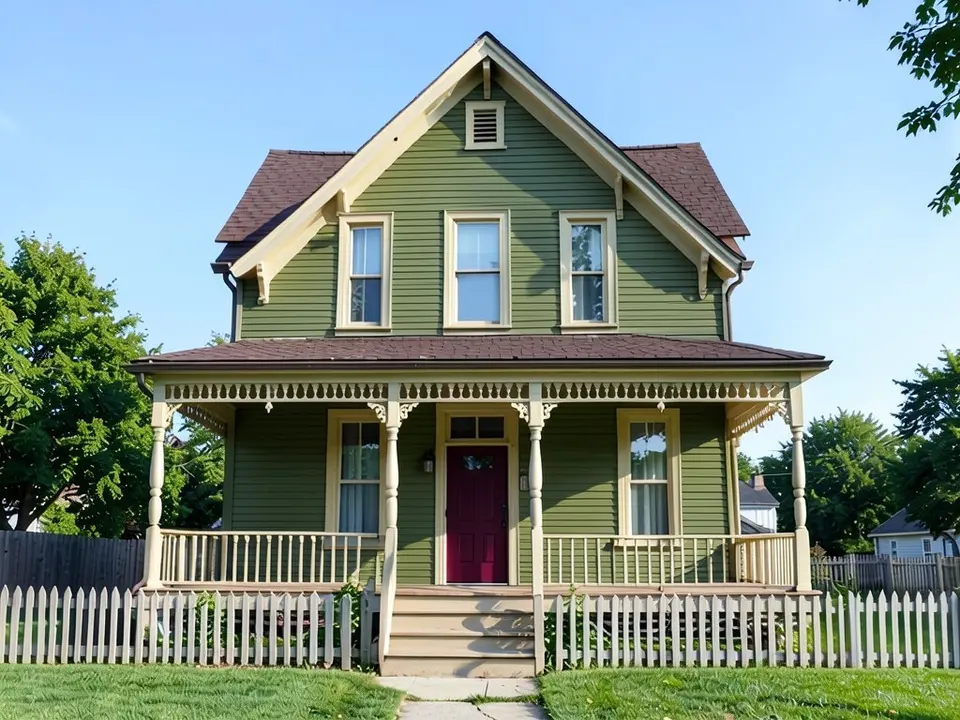 After
After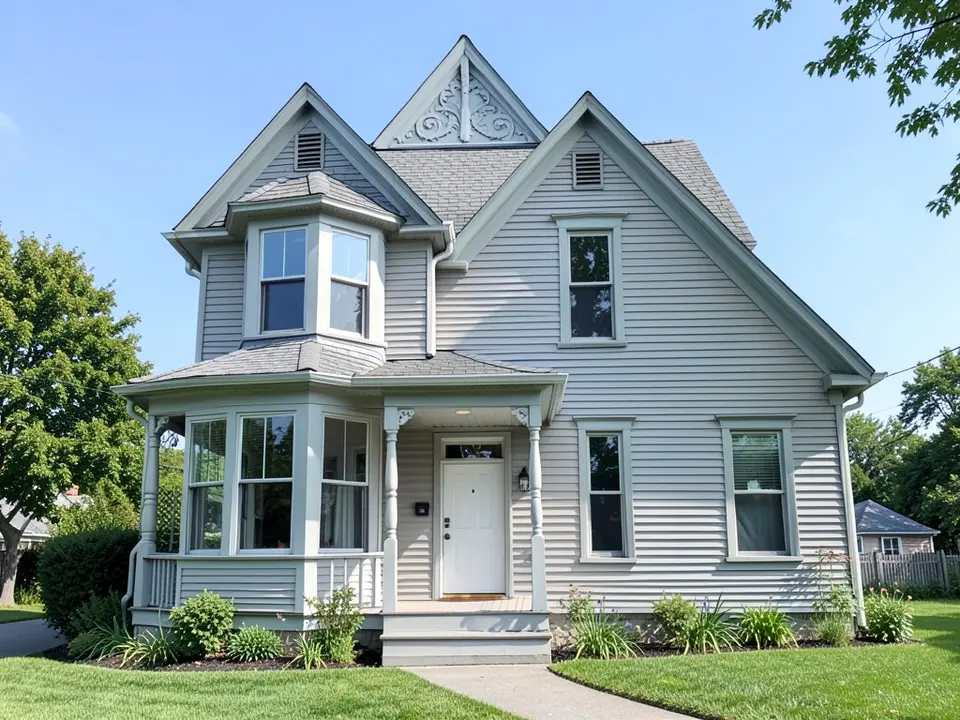 Before
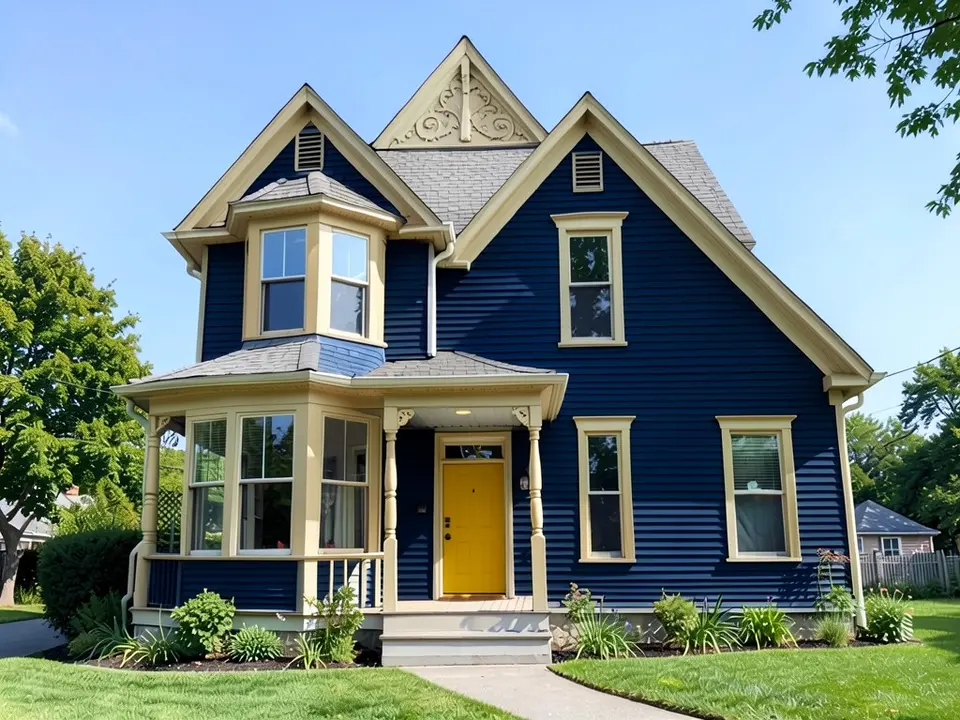 After
AfterWhat the AI can and cannot do
It can repaint the siding, the trim and the door in your photo and leave the rest of the house as it is, so you can compare color schemes on your own Victorian house.
It cannot reliably paint every small detail its own color. As the captions say, the model sometimes paints a whole section the accent color, leaves brackets in the trim color, or changes the roof. It also cannot match a paint brand's color. Treat each result as a direction to test with real samples.
What published guides suggest for Victorian colors
These points come from The Color Concierge (two articles on Victorian exterior color schemes), Amy Wax, CertaPro Painters and Green Shop Paints. The table is our own summary of the ideas they share, not a quote from any one of them. They are design opinions, not rules, and some name paint products that we left out.
| Part you can repaint | Summary |
|---|---|
| Body | One main color for the siding. Deep greens, blues and grays are common, as are lighter, softer body colors. |
| Trim | A second color that contrasts with the body, so the window trim, corner boards and porch posts stand out. |
| Accents | One or two accents for the door, brackets, spindles or gable shingles. Deep reds, burgundy, mustard and gold come up often. |
| Historic palettes | Earthy tones such as olive, mustard, terracotta and deep red and brown, depending on the period. |
| How many | Usually three to five colors. Keep the palette limited so the house reads as one scheme. |
| Test first | Look at samples on the house, in the light it gets, before you commit to a whole scheme. |
Where this page sits among the color pages
This page is about whole-house color schemes on a Victorian house. For other styles, see craftsman house exterior colors and colonial house exterior colors. For the trim alone, see exterior trim colors. To redesign a house in a Victorian style rather than repaint one, see AI Victorian house design on our sister site ArchitecturesAI.
Three Victorian schemes to try
The examples were run directly on an image model, not through the tool above, so your results will look different.
- Blue-gray with white and red. Example 1 turns an all-white house blue-gray, with white trim and a red door, though the model painted one section red as well.
- Olive with cream and burgundy. Example 2 turns a beige house olive green, with cream trim and a burgundy door.
- Navy with gold. Example 3 turns a light gray house navy, with pale gold trim and a mustard door.
How to try it on your house
- Photograph the front in daylight, from far enough back that the whole house, including the gables and the porch, fits in the frame.
- Upload it in the tool at the top of this page, or open the exterior designer, and name the body, trim and accent colors and which parts get each.
- Say what stays. List the roof, the porch and the windows to keep, and say the roof stays if you have a dark roof, as prompt 1 does.
- Check the whole image. Look at each section of wall, the brackets and the roof, and run it again if something changed that you did not ask for.
The exact prompts behind the examples
These are the edit prompts used for the three examples, word for word. Change the colors and the list of what stays to suit your house.
Prompt 1: blue-gray, white and deep red
Repaint ONLY the walls and trim, and keep the dark gray shingle roof exactly as it is. Repaint the house in three colors only. Paint the clapboard siding on every wall and on the turret a soft blue-gray. Paint the window trim, corner boards, porch posts, porch railings, spindles and brackets white. Paint the front door and the fish-scale shingles in the front gable a deep rusty red. Keep the roof, the turret shape, the porch shape, every window, the lawn, the path, the sky and the camera angle exactly the same.
Prompt 2: olive, cream and burgundy
Repaint the house in three colors only. Paint the siding on every wall a muted olive green. Paint the window trim, corner boards, porch posts and the fascia a cream. Paint the brackets, the spindle frieze on the porch and the front door a deep burgundy. Keep the roof, the house shape, the porch, every window, the fence, the lawn, the sky and the camera angle exactly the same.
Prompt 3: navy, off-white and mustard gold
Repaint the house in three colors only. Paint the siding on every wall and on the bay a deep navy blue. Paint the window trim, corner boards, porch posts and porch railing an off-white. Paint the scrollwork in the gable peak, the porch brackets and the front door a mustard gold. Keep the roof, the house shape, the bay window, the porch, every window, the lawn, the path, the sky and the camera angle exactly the same.
Before you paint
- Test real samples on the body, the trim and one accent detail, and look at them in morning and afternoon light.
- Check the rules. Victorian houses are often in historic districts, which may limit exterior colors. Ask your town or preservation office.
- Plan the detail work. Painting brackets and spindles in their own color takes more time, so ask a painter how it changes the quote.
Who this is for
Owners of Victorian, Queen Anne and other late-1800s houses who want to compare color schemes on their own house before buying paint, and buyers planning a repaint.
More exterior color ideas
See exterior trim colors, front door colors, siding colors, craftsman house exterior colors, colonial house exterior colors and the exterior paint visualizer.
Frequently asked questions
How many colors should a Victorian house have?
Most of the guides cited on this page describe a scheme of at least three colors: one for the body, one for the trim and one or two accents for the door, brackets, spindles or gable shingles. They also suggest keeping the palette limited so the house does not look busy.
What colors were used on Victorian houses?
The guides mention deep, earthy colors such as olive and sage greens, mustard and gold, terracotta and deep reds and browns, with lighter body colors used too. Exact historic colors vary by period and region, so check with a local preservation group if historic accuracy matters to you.
How do I show off the trim and gingerbread details?
Contrast is what makes millwork stand out. The guides suggest a trim color that differs clearly from the body, and an accent on details such as brackets, spindles or fish-scale shingles. In Example 2 above the brackets stayed cream, which still shows them against the olive body.
Can I paint a Victorian house one color?
You can, and the before of Example 1 is all white. The guides note that a single color hides the details that make the style, so most suggest at least a separate trim color.
Will the AI paint each part the color I ask for?
Not always. In our examples the model painted a whole section red that was meant to be blue-gray, left brackets cream that were meant to be burgundy, and once repainted the roof. Name each part and its color, list what must stay, and compare the before and after closely.
Is this the same as a Victorian house design page?
No. This page is about paint colors on a Victorian house you already have. To redesign a house in a Victorian style, see the AI Victorian house design page on ArchitecturesAI, linked below.
Is this tool free?
Signing up is free and gives you 5 credits, which is enough for 2 renders in most countries. Free renders carry an AiExterior watermark. If you want more renders or clean images, paid plans are available on the pricing page.
Do I need an account?
Yes. You need to sign in before a render starts, with an email code or your Google account.
Try it on your own house
Upload your house photoFree sign-up with email or Google. You get 2 free renders in most countries; free renders are watermarked.