Colonial House Exterior Colors: Try White, Navy or Green Shutters
Free sign-up with email or Google. You get 2 free renders in most countries; free renders are watermarked.
A colonial front is symmetrical, so the body, shutter and door colors carry the whole look. Upload a photo of your house below to try a body color or a new shutter and door pairing, then see what a published guide suggests and three before and after examples.
Shutter colorsBefore and after examples
Example images are AI-generated: both the sample houses and their redesigns. Results change from render to render, so treat them as concepts, not exact product matches.
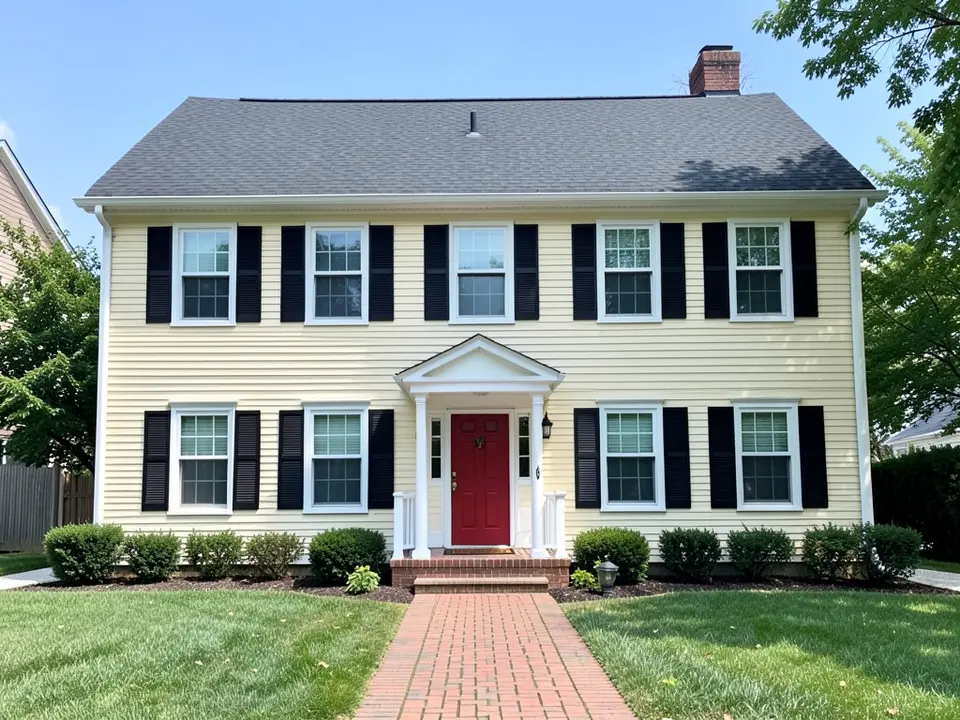 Before
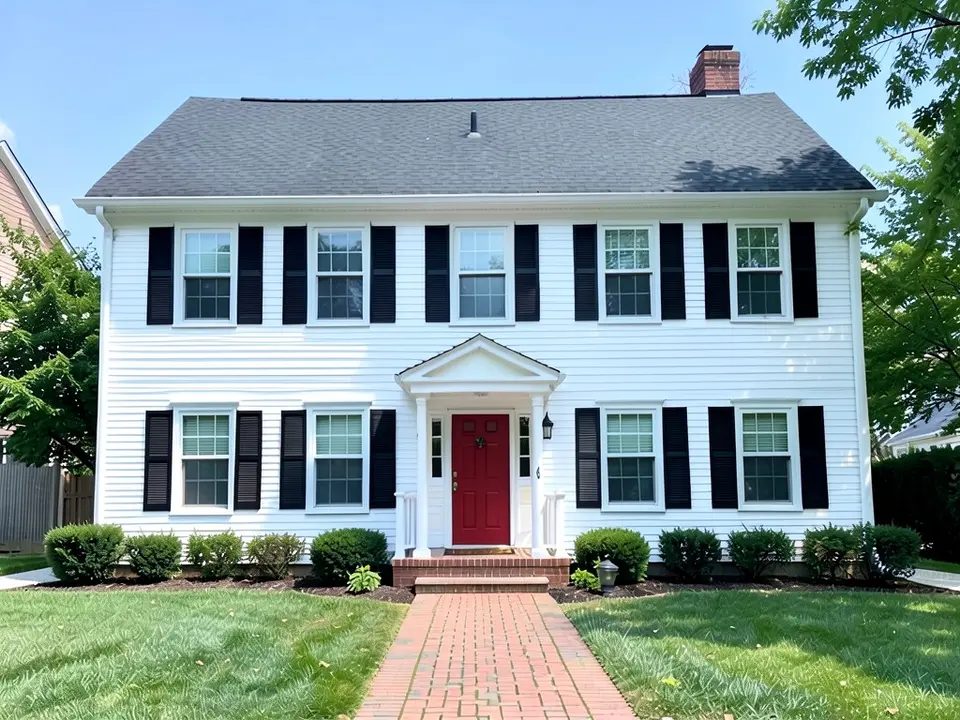 After
After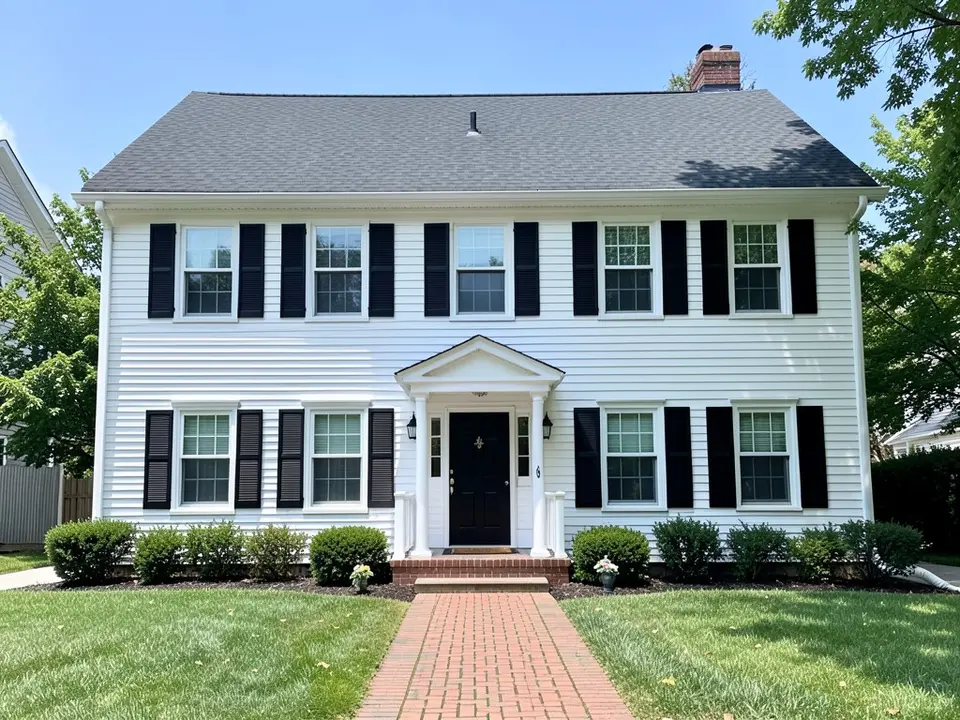 Before
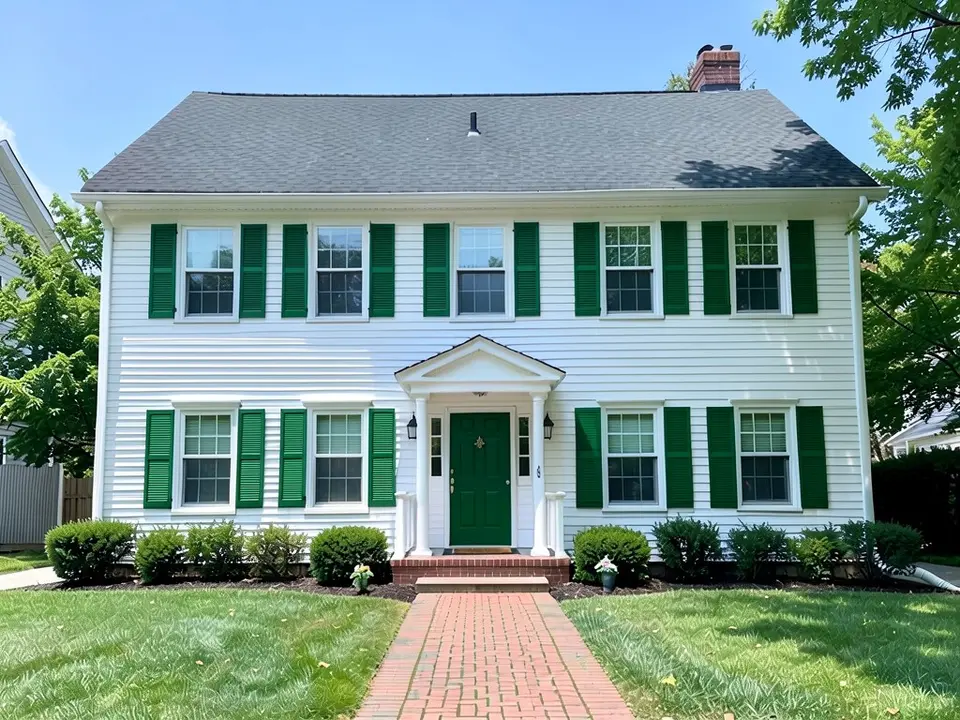 After
After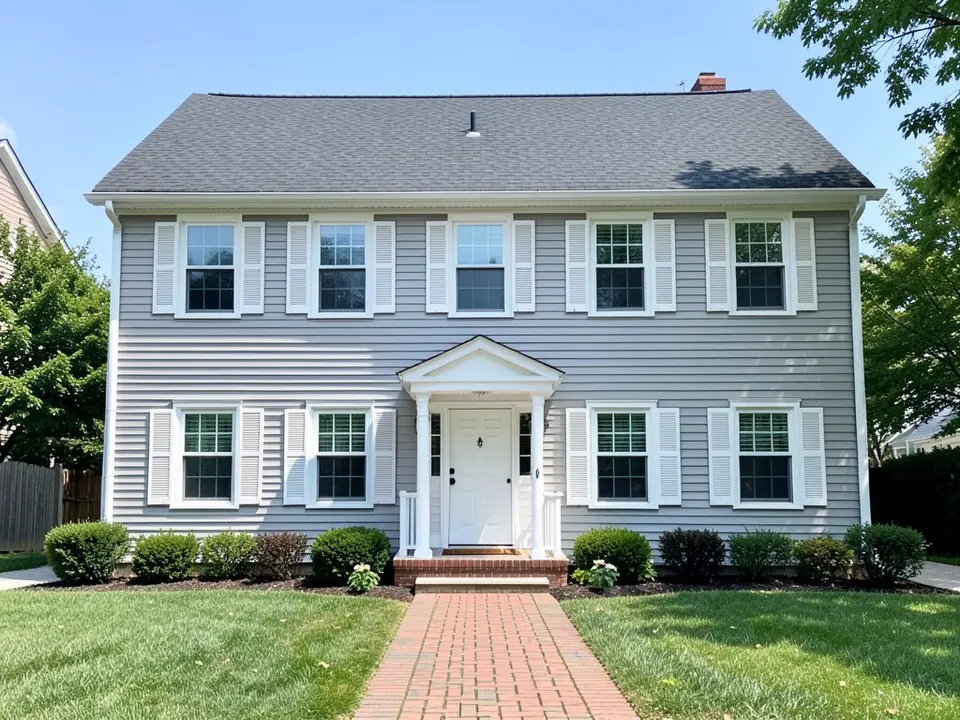 Before
 After
AfterWhat the AI can and cannot do
It can repaint the siding, shutters or front door in your photo and leave the rest of the house as it is, so you can see a color on your own colonial.
It cannot match a paint brand's color or show how it will read in your light. As the captions say, the result can come out brighter or darker than the words in the prompt, and the grass is redrawn. Treat each result as a direction to test with a real paint sample.
What one published guide suggests for a colonial house
This page leans on a single published piece: This Old House, "11 Paint Color Ideas for Colonial Revival Houses" by Amy R. Hughes (shown as updated 06/05/2026). It is a design opinion, not a rule. It names paint products for every palette; we left those out and kept the color and placement ideas.
| Part you can repaint | What the guide says |
|---|---|
| Body | The guide treats classic white with black shutters as the traditional scheme but lists many others: a light gray, a muted green, a dusty blue, a stormy gray, a khaki, a creamy parchment, a light-to-medium earth tone, and a deep gray it says suits a restored cottage. |
| Shutters | Black is the classic. The guide also shows chocolate brown, a blue-green, a red and a dark tone, and says matching the door and shutter colors gives a balanced, symmetrical look. |
| Front door | A red is the traditional accent, and the guide says blue or yellow also work. Other doors in its palettes are brick-red, burnt orange, rust, a brown, and a stained walnut wood door. A single accent color on door and shutters emphasizes a symmetrical facade. |
| Trim | A creamy white keeps an earthy palette from getting too dark. Other palettes use cream, antique white and white. |
Other points from the guide:
- Three parts. The guide suggests thinking of the house as body (siding), trim (window and door casings, fascias) and movable elements (windows, doors, shutters).
- Scale matters. Darker colors can add presence to small and medium homes, but may overwhelm a large one.
- Vary the intensity. Using different color intensities across the architectural elements helps each feature stand out.
- Two-tone bodies. In its two-tone palette, a darker lower section usually anchors the house, though equal intensities can also work.
- The roof. Some palettes are described as pairing with a slate-gray or muted gray roof, and one light gray body as complementing the roof shingles.
Where this page sits among the color pages
This page is about whole-house color on a symmetrical colonial front. If you are weighing a white body with black trim in particular, see white house with black trim. For shutters and doors on their own, see shutter colors and front door colors.
Three colonial changes to try
The examples were run directly on an image model, not through the tool above, so your results will look different. In each prompt the roof, trim and portico are told to stay as they are.
- Yellow body to white. Example 1 turns a pale yellow body white and keeps the black shutters and red door.
- Black shutters and door to green. Example 2 keeps the white body and swaps the black shutters and door for a green. It came out brighter than we asked.
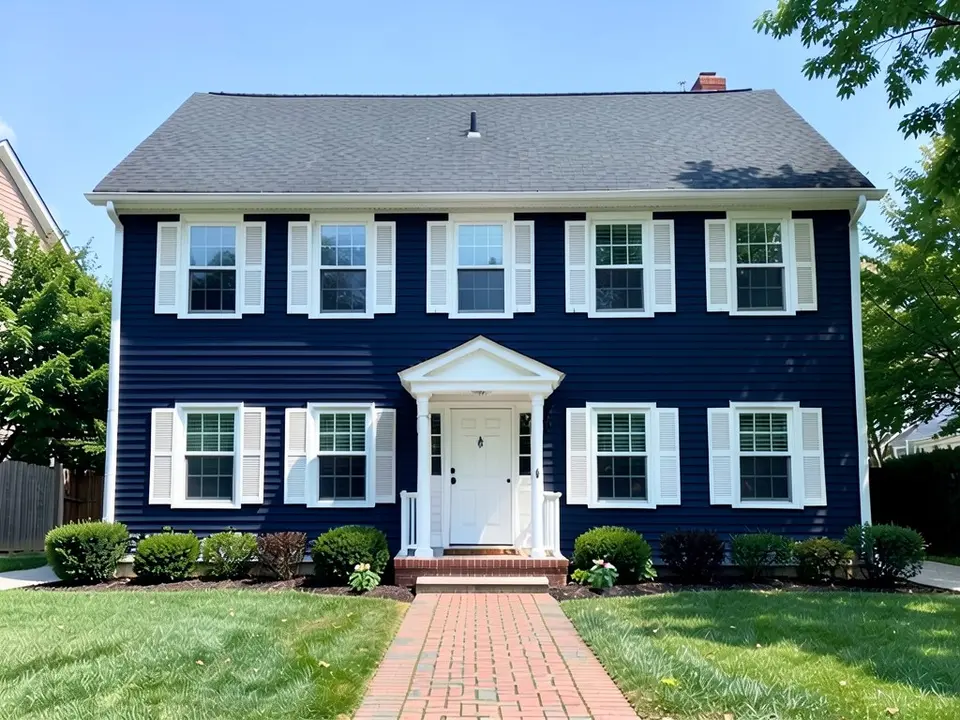
- Gray body to navy. Example 3 puts a deep navy on a gray body and keeps the white shutters and door.
How to try it on your house
- Photograph the front in daylight, straight on, from far enough back that the whole facade fits in the frame.
- Upload it in the tool at the top of this page, or open the exterior designer, and name the part to repaint and the new color.
- Say what stays. List the roof, trim, portico or shutters to keep, as the prompts below do.
- Check the whole image. Look at the roof, the trim and the grass, and run it again if something changed that you did not ask for.
The exact prompts behind the examples
These are the edit prompts used for the three examples, word for word. Change the colors and the list of what stays to suit your house.
Prompt 1: pale yellow siding to crisp white
Change ONLY the wall siding color: repaint the pale yellow clapboard siding on every wall a crisp white. Keep the black shutters, the white window trim, the red front door, the portico, the roof, the lawn, the walkway, the sky and the camera angle exactly the same.
Prompt 2: black shutters and door to forest green
Change ONLY the shutters and the front door: repaint the black shutters on every window and the black front door a deep forest green. Keep the white clapboard siding exactly as it is, plus the white trim, the portico, the roof, the lawn, the walkway, the sky and the camera angle exactly the same.
Prompt 3: light gray siding to deep navy
Change ONLY the wall siding color: repaint the light gray clapboard siding on every wall a deep navy blue. Keep the white shutters, the white window trim, the white front door, the portico, the roof, the lawn, the walkway, the sky and the camera angle exactly the same.
Before you paint
- Test real samples next to the roof, in daylight and at different times of day.
- Check your HOA, town or historic district. Some limit exterior colors.
- Plan the shutters and door. See shutter colors, front door colors and exterior trim colors.
Who this is for
Homeowners and buyers with a colonial or colonial revival house who want to see a body, shutter or door color on their own photo before buying paint.
More exterior color ideas
See white house with black trim, shutter colors, front door colors, siding colors, exterior trim colors and the exterior paint visualizer.
Frequently asked questions
What color shutters go with a colonial house?
This Old House calls black shutters the traditional choice on white, and also shows chocolate brown, blue-green and other shutter colors in its palettes. It says matching door and shutter colors gives a balanced look. Example 2 above paints black shutters and the door green.
What color front door goes with a colonial?
The guide treats a red door as the traditional accent, and says blue or yellow also work. Its other palettes use brick-red, burnt orange, rust, brown and stained walnut. Example 1 above keeps a red door on a white body.
Does a colonial have to be white with black shutters?
No. The guide says that is the traditional scheme but lists many alternatives, from muted green and dusty blue to stormy gray and khaki. Example 3 above tries a navy body with white shutters.
Can a dark body color work on a colonial?
The guide says darker colors can add presence to small and medium homes but may overwhelm a large one. Example 3 above uses a deep navy on a medium-large house so you can judge it.
What trim color goes with a colonial house?
The guide pairs a creamy white trim with earthy palettes so they do not get too dark, and uses white, cream or antique white elsewhere. All three examples above keep white trim.
Can I try colors on my own photo with the roof kept?
Yes. Upload a photo of the front of your house in the tool at the top of this page, name the part to repaint and tell the AI to keep the roof, trim and portico, like the prompts below. In our three examples the roof stayed the same, but the grass was redrawn each time.
Will the colors come out exactly as I ask?
Not exactly. Our deep forest green came out a bright green and our crisp white came out slightly cool. Use the render to compare directions, then test real paint samples on your wall, in the light at different times of day.
Is this tool free?
Signing up is free and gives you 5 credits, which is enough for 2 renders in most countries. Free renders carry an AiExterior watermark. If you want more renders or clean images, paid plans are available on the pricing page.
Do I need an account?
Yes. You need to sign in before a render starts, with an email code or your Google account.
Try it on your own house
Upload your house photoFree sign-up with email or Google. You get 2 free renders in most countries; free renders are watermarked.